Derby County's Near Takeover and Clowes' Commitment to the Club
Derby County were an hour away from changing hands. An hour from a new era, new money, a new power at the top of the club. Then the phone call came, the deal collapsed, and everything turned back towards the man who had rescued the club in the first place.
David Clowes stayed.
And, crucially for Derby’s Premier League dream, he kept spending.
A sale that vanished in an hour
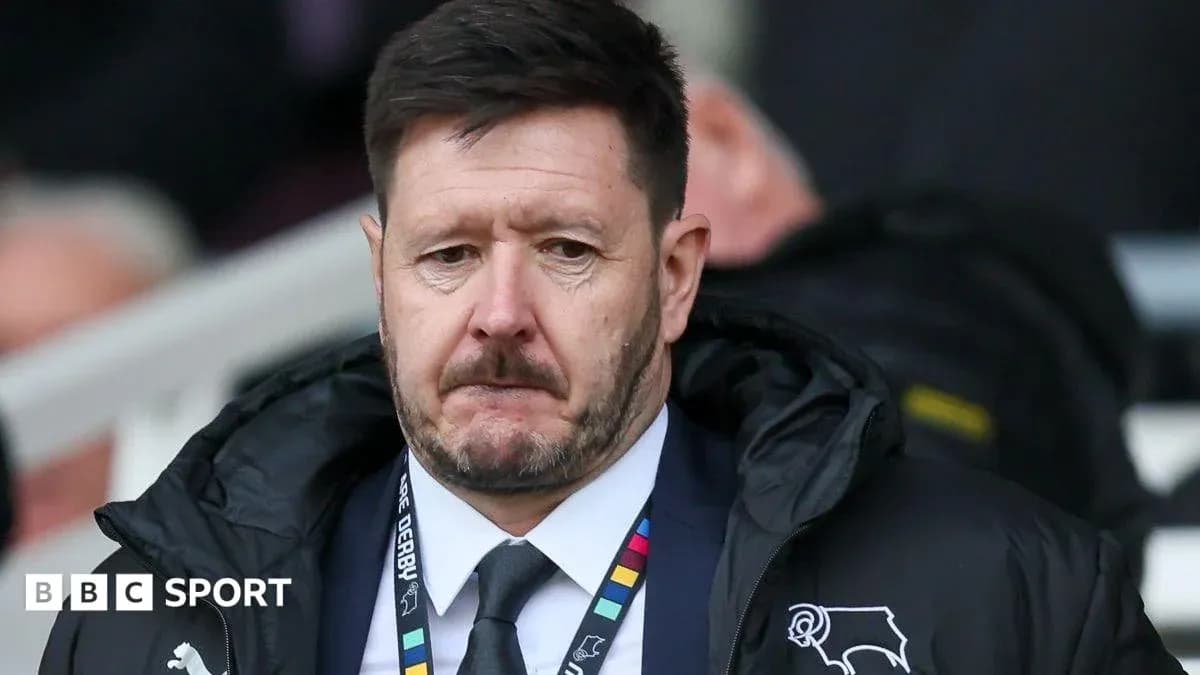
Chief executive Stephen Pearce has lifted the lid on just how close Derby came to a Saudi-backed takeover in August. The Championship club had an agreement in place for Clowes to sell to Turki Al‑Sheikh, a senior Saudi government official and a heavyweight operator in world boxing.
The Independent Football Regulator had signed it off. So had the EFL. The paperwork was there. The expectation was that the deal would complete.
Then Al‑Sheikh walked away.
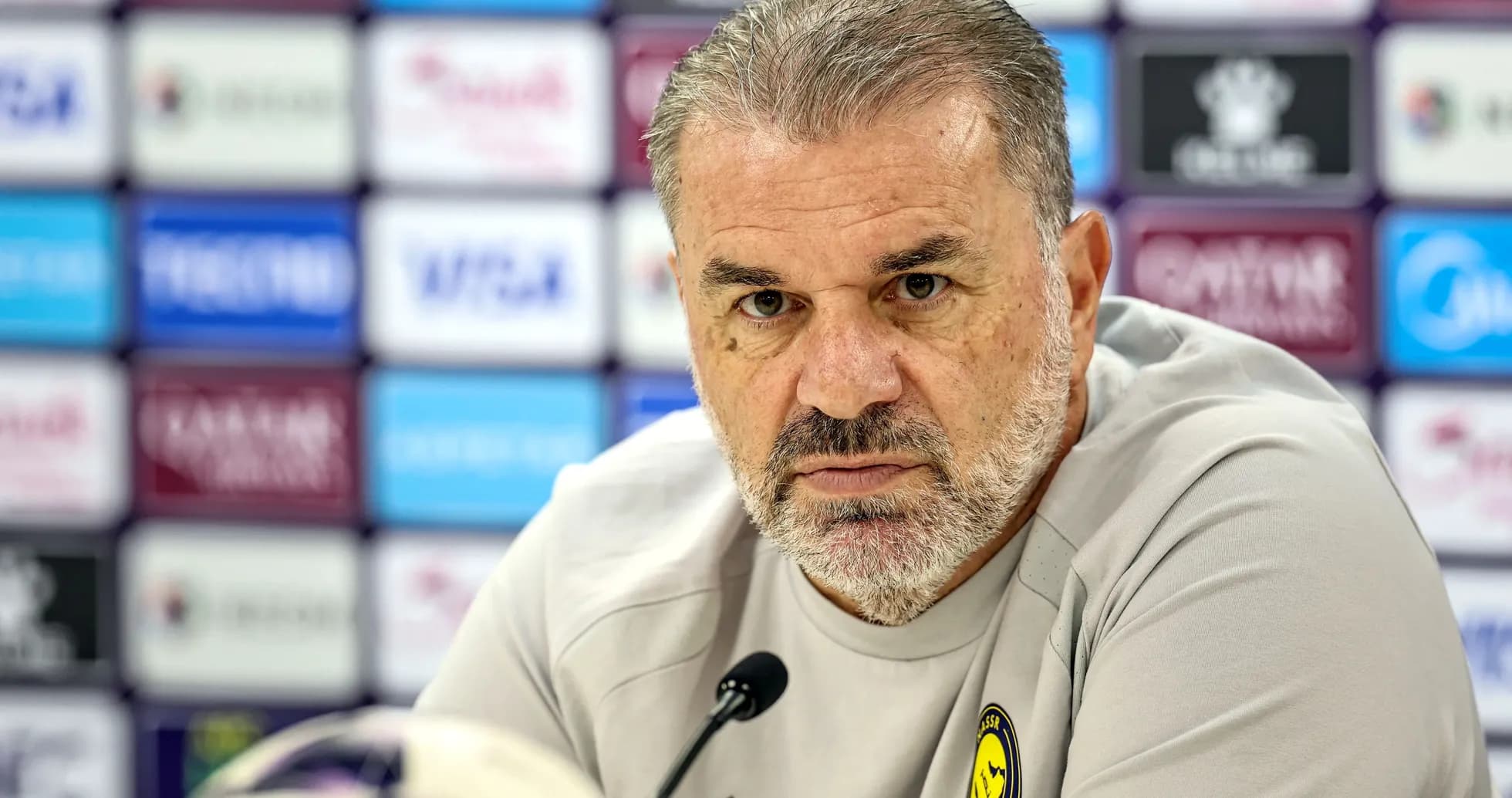
Pearce described the moment to BBC Radio Derby with the bluntness of someone still feeling the jolt.
“The wind was taken out of our sails, totally,” he said. “We weren’t expecting it to fall down, effectively, an hour before we thought it was going to complete.”
Derby had spent weeks in what Pearce called a “holding pattern” as the bid went through scrutiny. The timing could hardly have been worse: it cut right across the summer transfer window, when clubs either kick on or get left behind.
The pressure finally told. Not on the takeover, but on the clock. By the time the process dragged towards its conclusion, Derby were waiting, watching, unable to fully commit while ownership hung in the balance.
Then, with the finish line in sight, it was gone. No gradual cooling, no long, public breakdown. Just a sudden withdrawal. “Completely out of the blue,” Pearce said.
Clowes spends like an owner who’s staying – while thinking he’s going
What makes the story more remarkable is what Clowes did while he believed he was about to hand the club over.
He kept signing cheques.
The £6m fee to bring Bobby Clark in permanently from RB Salzburg? Paid by Clowes.
The loan-to-buy deal for Sam Szmodics from Ipswich, worth £2.7m? Clowes again.
The £600,000 to prise Alex Mowatt from West Bromwich Albion? Same answer.
All of it funded by an owner who, at that point, expected never to see that money again.
“This is why he’s such an incredible owner,” Pearce said. “He thought the takeover was going to happen, he knew he was never going to get a penny back for all of that money he spent on those players and he still did it.”
Clowes had an easy out. He could have slowed everything down, told Pearce and head coach John Eustace to sit tight, wait for the new regime, protect his own position.
“He could have quite easily, on 1 July, said to us and said to John, ‘look, I think this is going through, the signs are the club is going to be sold, you’re just going to have to wait because every penny I put into transfers now I’m not going to get back’,” Pearce explained.
“And he didn’t. He backed it regardless and that’s why we’re in such a strong position.”
That decision, made quietly in the background of a takeover saga, now shapes Derby’s season.
Off the market and back on the front foot
Clowes has never hidden his desire to bring in fresh investment to push Derby towards the Premier League. The Al‑Sheikh agreement looked like that moment: heavyweight backing for a club that finished just outside the play-offs last season and feels close to something bigger.
When it fell apart, there was no second auction.
Clowes pulled Derby County off the market and turned his attention fully back to the club he had nearly offloaded. If there was any doubt about his intent, it did not last long.
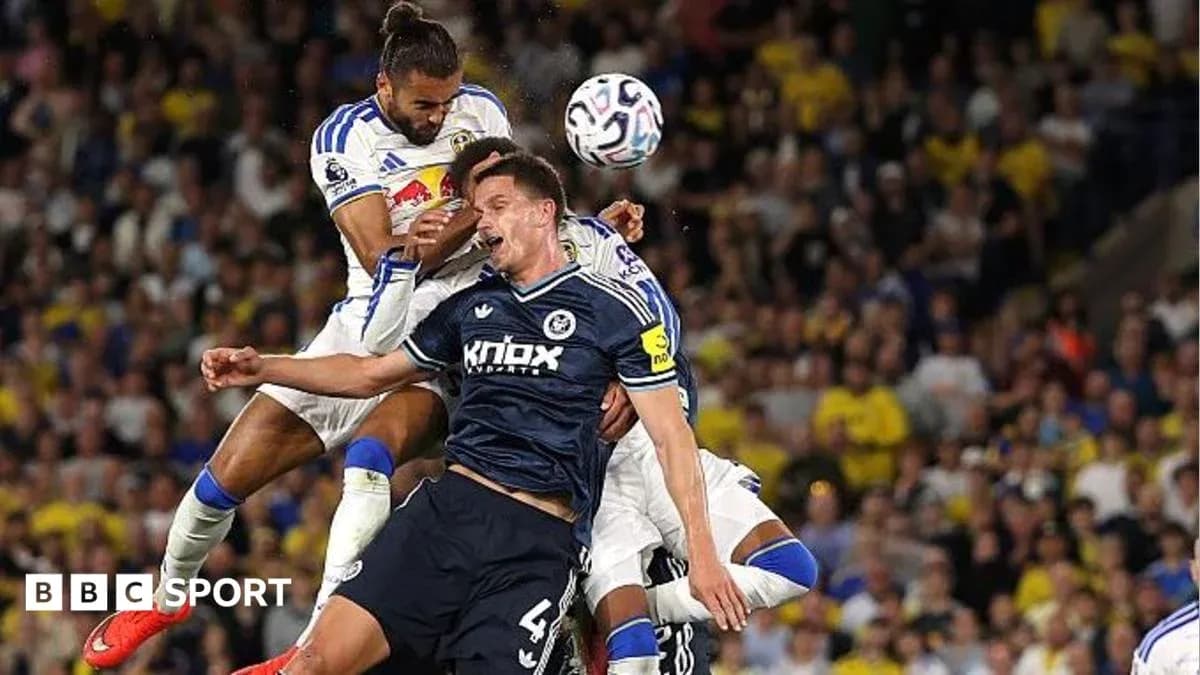
The £4m signing of David Ozoh from Crystal Palace became the headline act of the post-takeover window. Around him came a cluster of free transfers and loans, including a deadline-day reunion with Eiran Cashin.
This was not the behaviour of an owner licking his wounds. It was a statement that the promotion plan remains intact.
Asked directly whether the disrupted summer had stalled Derby’s push for the Premier League, Pearce did not flinch.
“Not in the slightest, otherwise we wouldn’t have spent all the money we’ve spent,” he said. “We want to push on. We want progression this season.”
The question now is simple and unforgiving, the kind that defines seasons and legacies: with the sale that never was behind them and the chequebook still open, can Derby turn Clowes’ loyalty into the promotion he is paying for?