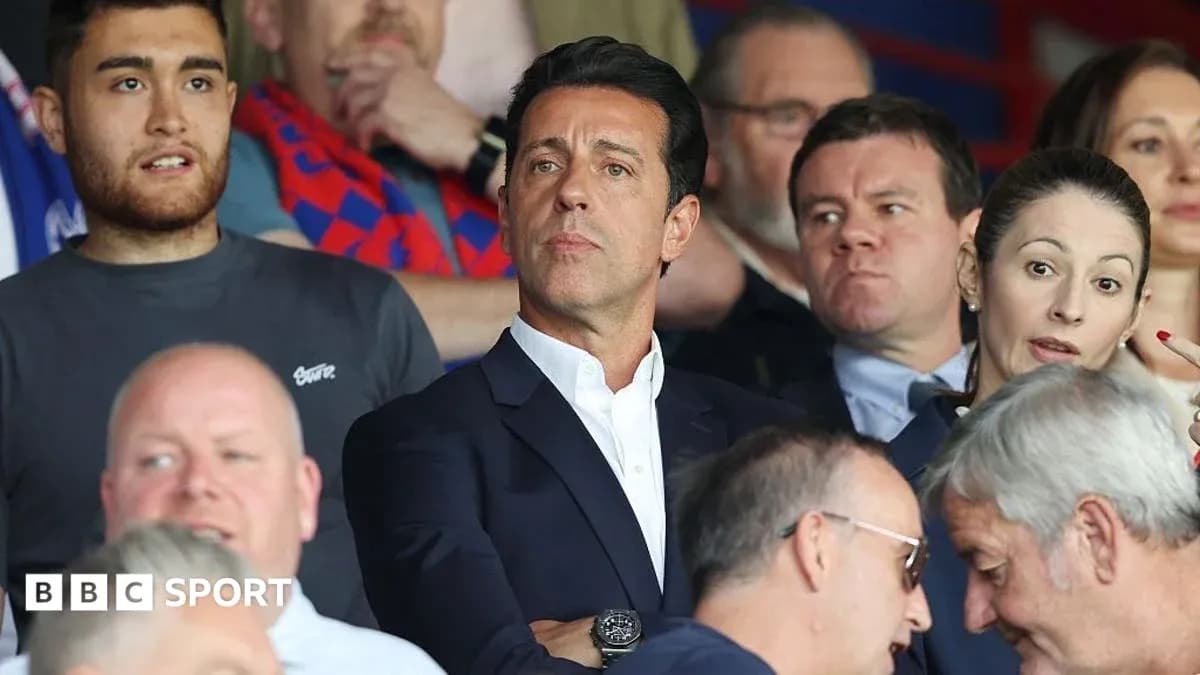
Edu Exits Nottingham Forest as Power Structure Shifts
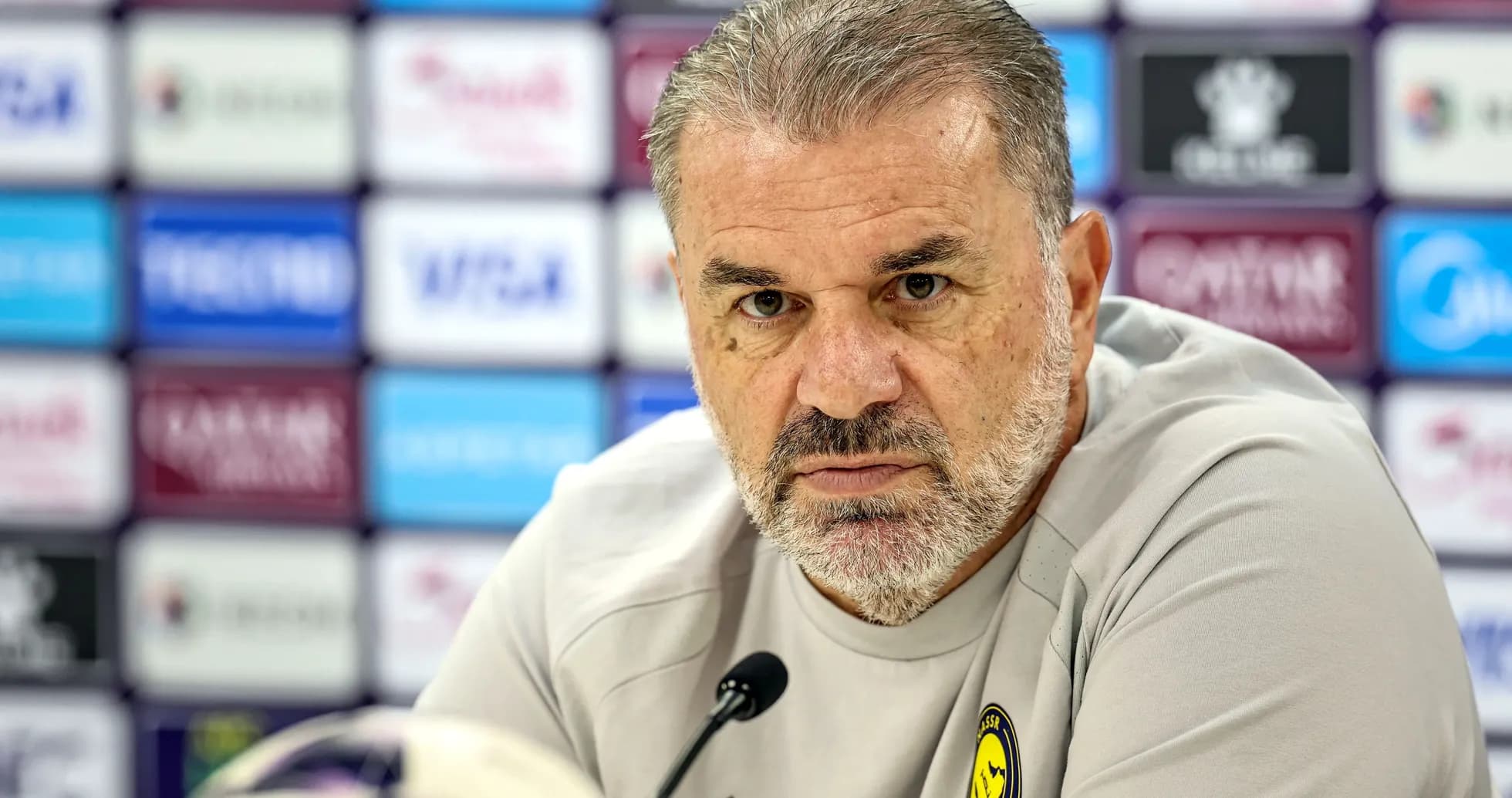
Edu’s brief and turbulent spell as Nottingham Forest’s global head of football is over, drawing a line under a year that laid bare the fault lines in the club’s hierarchy.
The former Arsenal midfielder, whose contract is understood to have been terminated, had not been seen at a Forest game since February. His departure had felt like a matter of time rather than a surprise.
What began as a wide-ranging, multi-club brief has ended in silence and distance.
Fallout and a fractured structure
Edu’s position came under intense scrutiny after his falling-out with Nuno Espirito Santo, who was sacked last September – the first of four managers to pass through the City Ground last season.
Nuno did not spell everything out, but he said enough. The Portuguese coach hinted at internal tensions and admitted his relationship with owner Evangelos Marinakis had changed. Those comments shone a harsh light on the club’s football structure and on Edu’s role within it.
From that moment, the power lines inside Forest looked blurred. The man tasked with shaping the club’s football strategy was increasingly absent. The head coach was gone. The owner’s influence loomed larger than ever.
Now the club has chosen not to replace Edu directly. Instead, chief football officer George Syrianos will absorb his responsibilities, a clear sign that Forest are tightening the decision-making circle rather than expanding it.
A wide remit, abruptly cut
Appointed in July 2025, Edu was never just a Forest man. His remit stretched across Marinakis’ football empire, taking in Olympiacos in Greece and Rio Ave in Portugal.
It was a heavyweight portfolio for an executive arriving with a strong reputation from Arsenal. Edu spent six years at the Emirates, becoming the club’s first sporting director in 2022 after a decorated playing career that brought two Premier League titles and two FA Cups with the Gunners.
At Arsenal, he played a central role in backing and retaining Mikel Arteta, who last season delivered the club’s first Premier League title in 22 years. That success burnished Edu’s standing as a modern football executive capable of marrying long-term planning with elite performance.
Forest hoped to tap into that pedigree. Instead, the project never truly settled. Managerial churn, internal disagreements and shifting lines of authority left little room for a coherent football vision to take root.
New faces, same owner
Edu’s exit comes hard on the heels of another major change at the top. Former Olympiacos vice-president Theodore Giannikos was appointed Forest’s chief executive last week, replacing Lina Souloukou, who stepped down at the end of last season.
Giannikos’ arrival reinforces the sense of Marinakis tightening his inner circle, drawing trusted Olympiacos figures into key roles at the City Ground. With Syrianos now assuming Edu’s duties, Forest move into the new season with a leaner, more centralised power structure.
The big question is whether that clarity brings stability to a club that burned through four managers in a single campaign, or whether the next flashpoint is already on the horizon.