Edu's Nottingham Forest Tenure Ends Quietly
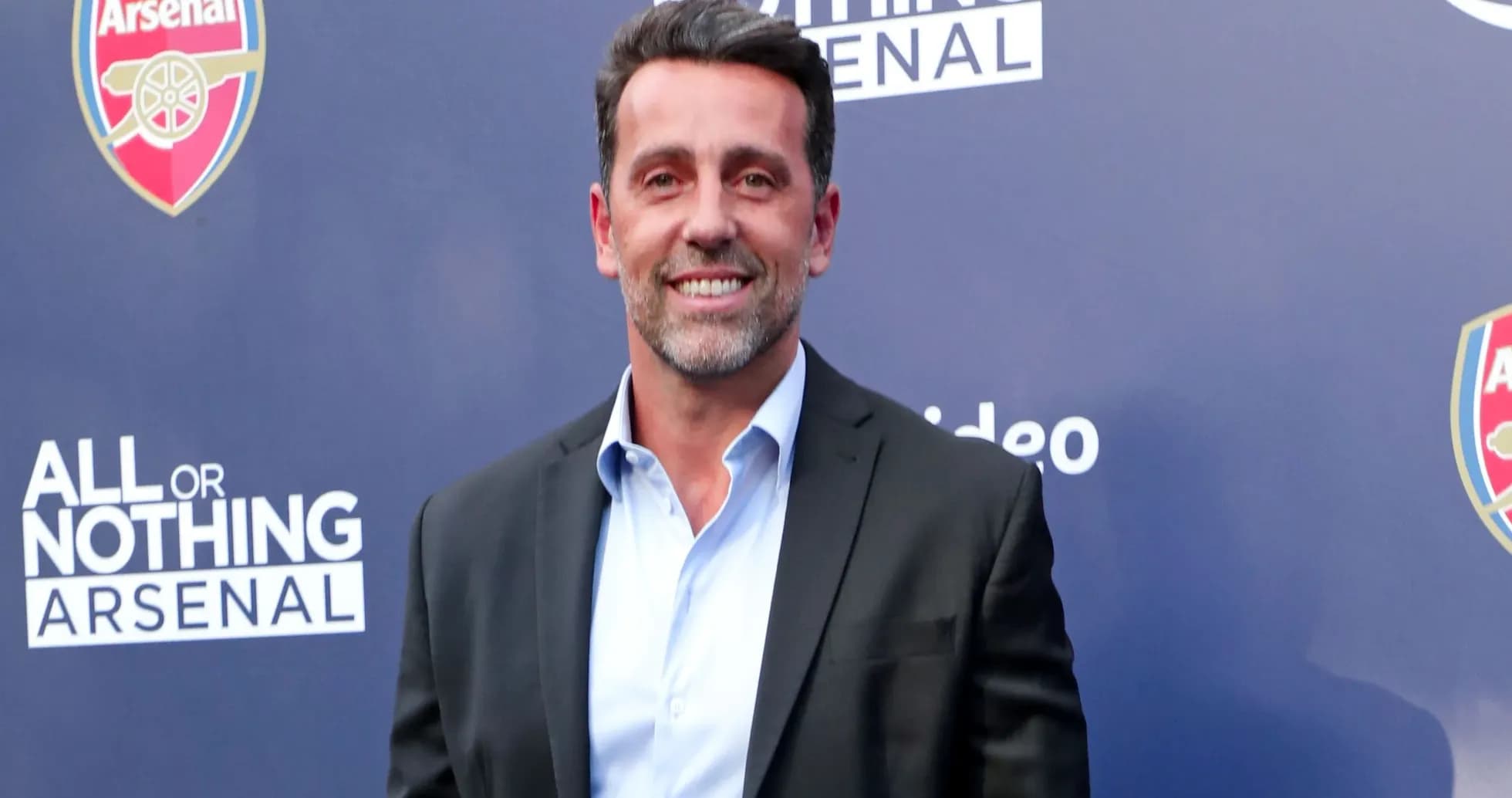
Edu’s Nottingham Forest experiment is over, and it ends not with a statement or a tribute, but with a quiet walk away from the City Ground.
Just over a year after arriving as global head of football to spearhead an ambitious multi-club project, the Brazilian executive has officially left Forest, according to The Athletic. In truth, his departure has been unfolding in slow motion for months. He has not watched a Forest game in person since February, and has not set foot in the stadium or training ground since early March, when the first reports of his exit began to surface.
By then, the power had already shifted.
Syrianos steps into the vacuum
Forest will not appoint a direct replacement. There will be no grand unveiling of a new “head of football”, no formal announcement marking Edu’s exit. The club has simply moved on.
Chief Football Officer George Syrianos has quietly taken on the bulk of Edu’s responsibilities, his role expanding as the Brazilian was eased to the margins. Syrianos’ rise also helps plug the gap left by Ross Wilson, who departed for Newcastle United in October last year, leaving a hole at the top of Forest’s football structure.
What began as a bold, layered hierarchy has been stripped back by circumstance and chaos. Edu’s position, once central to the club’s long-term vision, became untenable amid a season that veered from optimism to outright disorder.
From European dreams to survival mode
This was supposed to be the year Forest pushed on. Under Nuno Espirito Santo, they had flirted with a Champions League challenge, briefly looking like a side ready to punch above its weight.
Then the relationship between manager and director fractured. The fallout proved decisive. Nuno left, and with him went the sense of a coherent project.
What followed was a carousel.
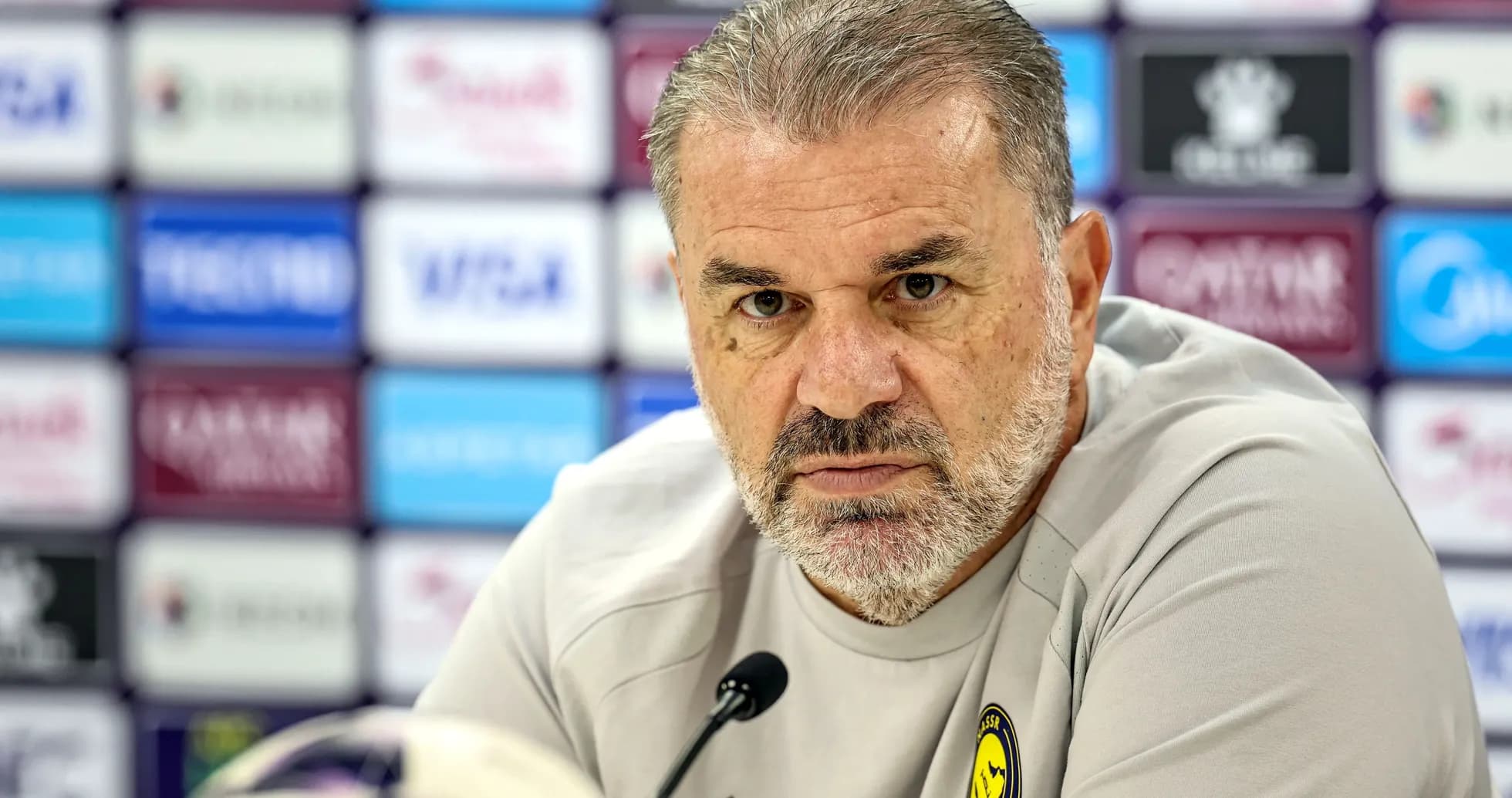
Ange Postecoglou lasted just 39 days in the dugout before Forest pulled the plug. Sean Dyche came next, brought in as the firefighter, only to be dismissed in February. Vitor Pereira’s stint was brief, a short bridge to Oliver Glasner, the former Crystal Palace manager now tasked with restoring some kind of stability to a club that has spent the past year lurching from one reset to the next.
Forest’s season, once framed around European qualification, morphed into a fraught relegation battle. The consistency they had built under Nuno evaporated, and with it went much of the faith in Edu’s leadership of football operations.
Transfer strategy under fire
The turmoil on the touchline was matched by frustration off the pitch. Edu’s recruitment at Forest drew sharp criticism from both supporters and pundits, not because the club failed to spend, but because of what that spending delivered.
With substantial financial backing, Forest moved for big names and high reputations. On paper, it looked ambitious. On the pitch, it looked disjointed.
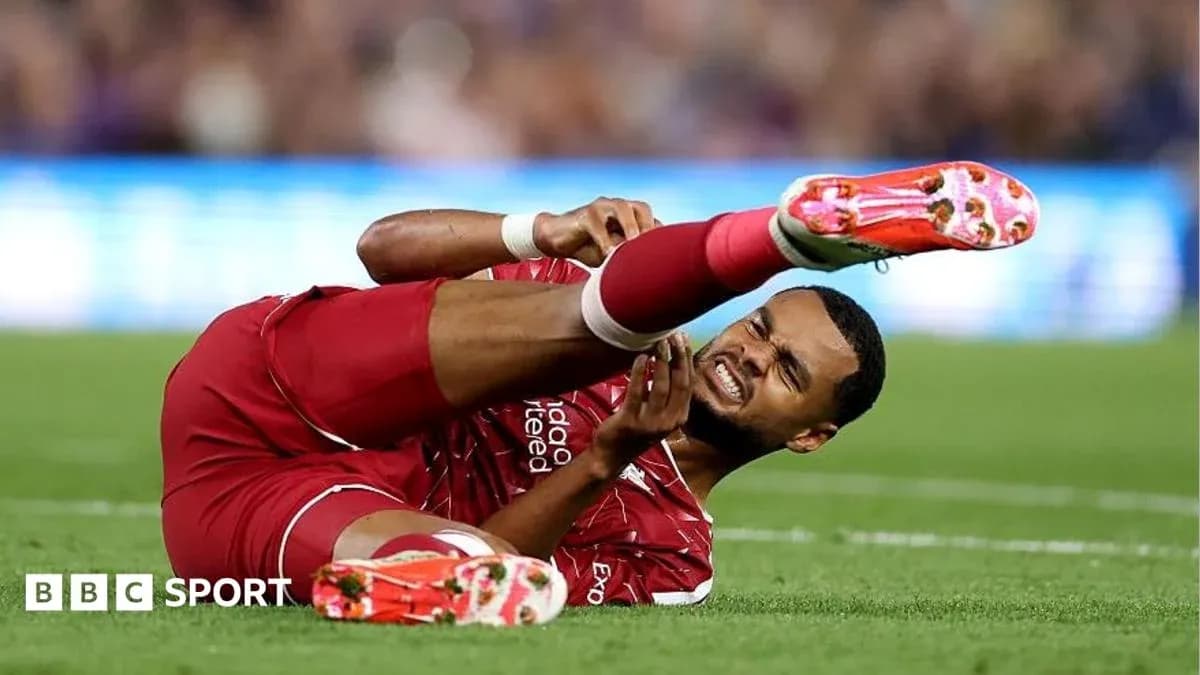
Omari Hutchinson, Douglas Luiz, Oleksandr Zinchenko – players with pedigree and promise – struggled to leave any real mark at the City Ground. The squad grew heavier, more expensive, but not necessarily better. The sense that Forest were assembling a collection of individuals rather than a balanced team became hard to ignore.
For a club trying to stabilise in the Premier League while plotting a wider multi-club model, those missteps carried weight. Each underperforming signing sharpened the focus on the man driving the strategy.
A sharp contrast with Arsenal acclaim
The criticism cut deeper because of where Edu had come from.
In North London, his reputation had been transformed. Appointed as Arsenal’s first technical director in 2019, he played a central role in reshaping the club’s modern identity. He backed Mikel Arteta, his former teammate, as head coach later that year, then helped steer Arsenal through a painful rebuild that eventually returned them to the top end of the Premier League.
By November 2022 he had been promoted to sporting director, a role he held until his unexpected resignation in November 2024. In that period he was widely regarded as one of the sharpest executives in the European game, an architect of a squad that reconnected Arsenal with its supporters and its competitive edge.
The contrast with his time at Forest could hardly be starker. Where Arsenal saw a clear plan, Forest saw churn. Where his recruitment in North London was praised as targeted and coherent, his transfer work at the City Ground was viewed as expensive and erratic.
A decorated career hits a low point
Edu’s departure from Forest marks a low ebb in a career otherwise lined with success.
As a player, he was part of Arsenal’s iconic 2003–04 “Invincibles”, a midfielder trusted in one of the greatest Premier League sides ever assembled. Off the pitch, he built serious administrative credentials before returning to Europe’s elite stage.
He spent five years as director of football at Corinthians, one of Brazil’s giants, shaping squads under intense pressure in São Paulo. In 2014 he briefly advised the Iran national team, then took on the role of general coordinator for Brazil, spending three years inside one of the most scrutinised football environments on the planet.
Those experiences helped mould the executive Forest thought they were getting: a proven operator with a global outlook, a winner with the scars and knowledge to guide a complex project.
Instead, his time at the City Ground will be remembered for instability, misfiring recruitment and a club drifting from the clarity it briefly enjoyed.
Forest now move forward under Syrianos and Glasner, still searching for the consistency that vanished during Edu’s turbulent spell. The Brazilian, once the symbol of a grand multi-club vision, leaves quietly, his next move uncertain and his reputation in need of repair.
For a man who has lived most of his football life at the top, the question now is simple: where does he climb back from here?