Elina Svitolina Speaks for Ukraine Amid War's Toll on Sports
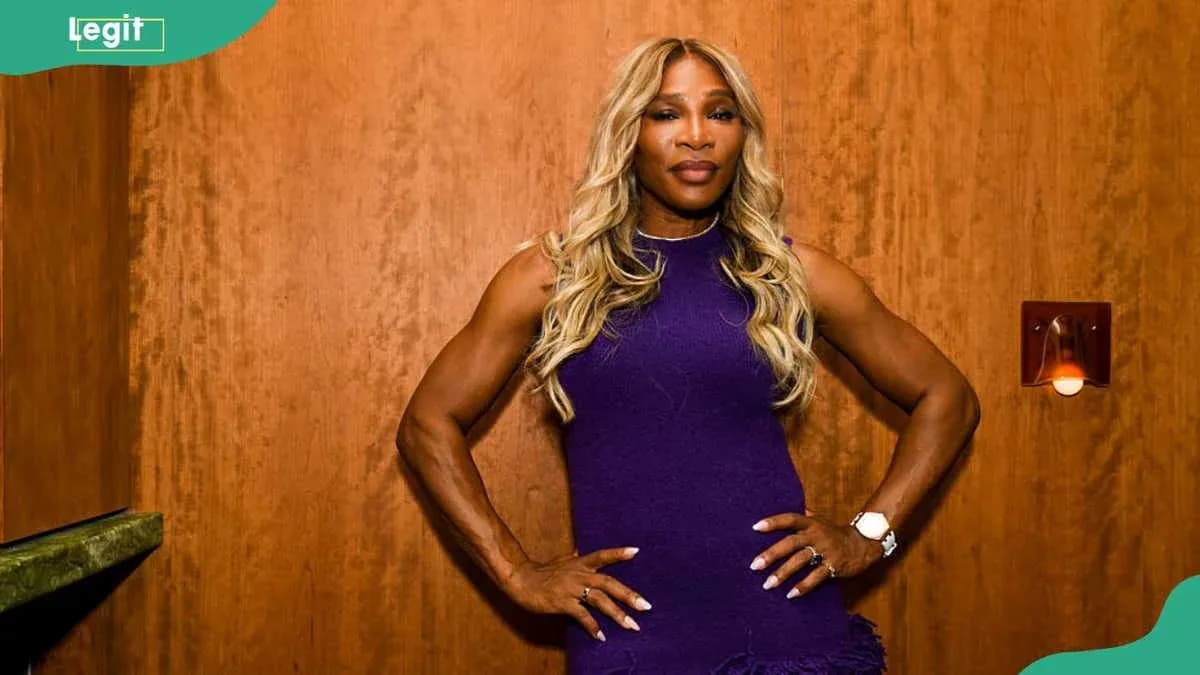
Elina Svitolina has spent the last two years speaking for Ukraine. On Thursday, the war came for one of her own homes.
The former world No 3 revealed that a Russian attack struck SVITO Padel Club, the facility she owns in Kyiv, folding her personal investment into the long and brutal list of sporting casualties.
“As of today, 776 Ukrainian athletes and sports officials have been killed as a result of Russian aggression,” Svitolina wrote on Instagram. “942 sports facilities across Ukraine have been damaged or completely destroyed. Today, my club, SVITO Padel Club, became one of them.”
The numbers are stark. The image behind them is worse: courts ripped apart, dressing rooms shattered, another place where children once trained now unfit for sport.
Svitolina has become one of the most prominent Ukrainian voices on tour, and her message this time carried a sharper edge. She stressed that Ukrainian athletes “do not have the opportunity to train and prepare for international competitions on equal terms with athletes from other countries” and appealed directly to the wider sporting world, calling on “international partners and friends” for “support and concrete actions that can help stop the aggressor.”
While Svitolina counts the cost of war back home, the US Open continues in New York, where the margins are measured in lines and tiebreaks rather than missile strikes.
Sabalenka survives epic as Noskova vows to party the pain away
On Arthur Ashe Stadium, Aryna Sabalenka needed every ounce of her champion’s nerve to fend off Linda Noskova in a three-hour quarter-final that swung wildly before landing, once again, in the Belarusian’s favour.
Sabalenka, the world No 1 and two-time defending champion at Flushing Meadows, edged through 7-6(1) 3-6 7-6(10-7) in a match that Noskova will replay in her mind for a long time.
The Czech led by a break in the deciding set. She then held the upper hand in the final tiebreak. Each time, Sabalenka clawed her way back, leaning on heavy hitting and a stubborn refusal to let go of her title defence.
“What a battle. What an incredible player she is and I’m speechless right now because I was pushing myself to the limit in this match, especially in the third set,” Sabalenka said on court. “I honestly thought that that’s it, the match is over and probably that’s what helped me to kind of like, I don’t know, feel loose and just go after my shots.”
She sealed it with a second-serve ace, a bold swing under suffocating pressure, to reach the semi-finals in New York for the sixth straight year.
Noskova, Wimbledon’s reigning champion, walked off having gone toe-to-toe with the top seed and come within points of a statement win. Her response was disarmingly human.
“I’m going to stay for, like, three more days. I’m going to get drunk and forget about this, I guess,” the 21-year-old told reporters with a laugh. “I’m old enough to do that, thankfully. I love New York. I have so many places I want to go. I have a lot of great friends here. They will show me around and, you know, I will forget about it hopefully in the next couple of hours.”
There is plenty she will want to forget: the lost lead in the third, the missed chances in the tiebreak, the sense that the upset was right there. There is also plenty she will remember. She pushed Sabalenka to the edge on the biggest court in the sport and proved again she belongs at the sharp end of majors.
Michelsen’s meltdown and Tiafoe’s escape act
The day session on Ashe refused to end quietly.
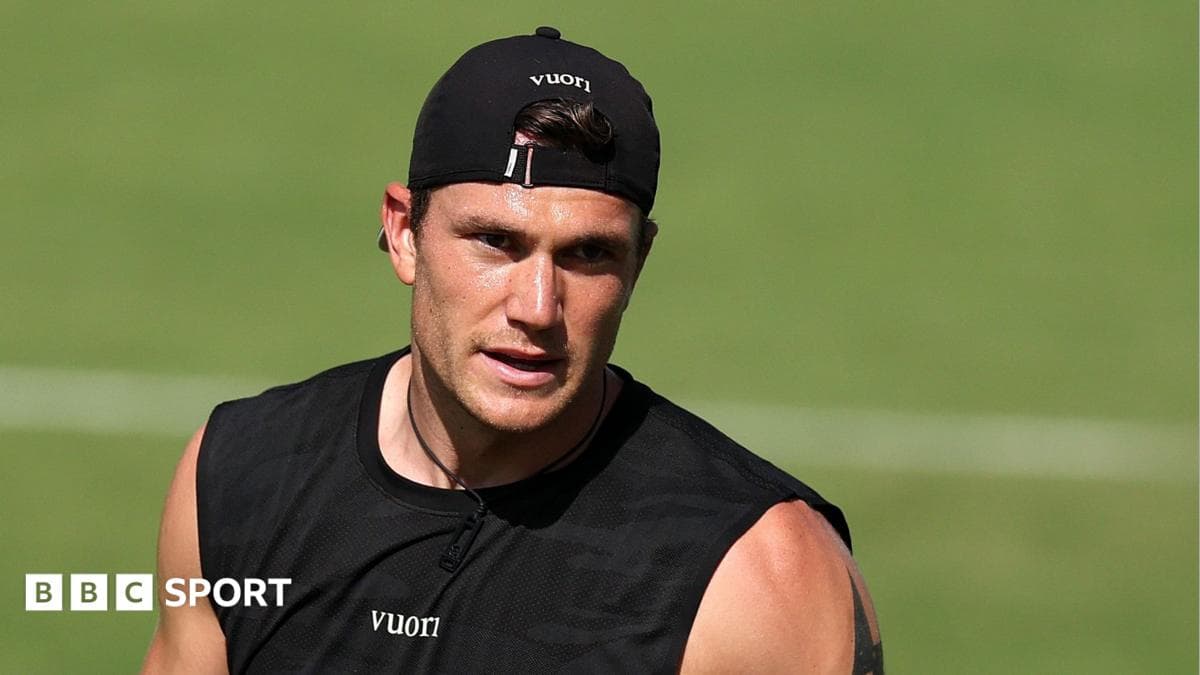
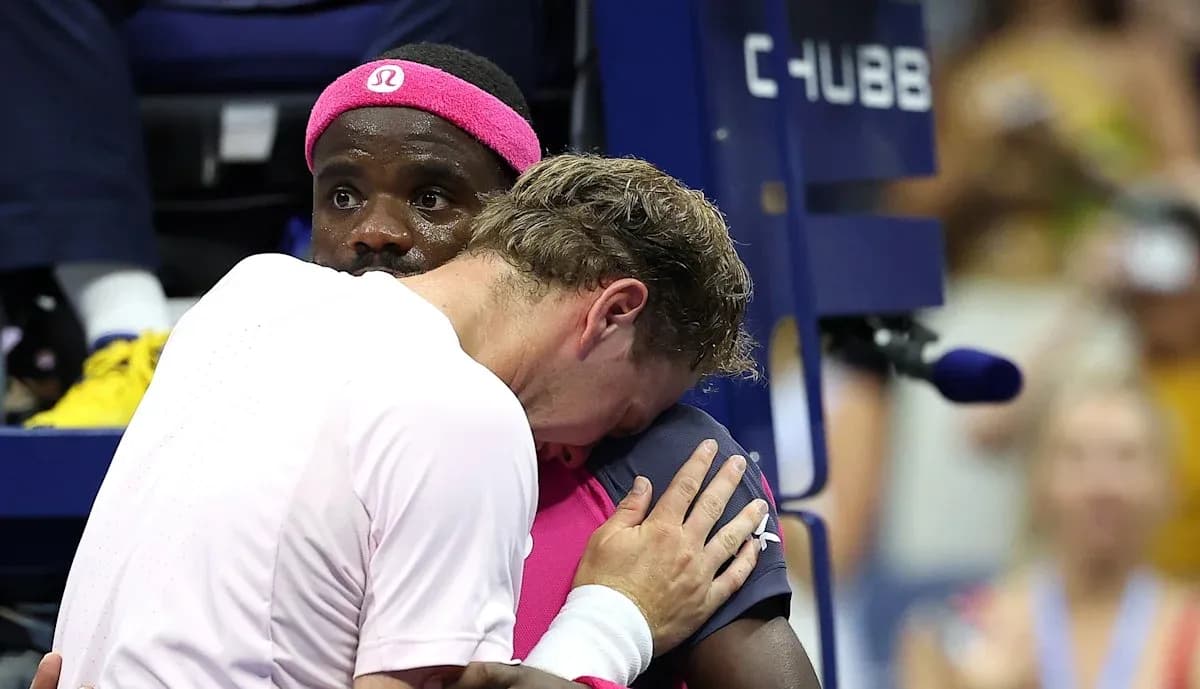
American youngster Alex Michelsen, 22, stood on the brink of a career-defining upset over compatriot Frances Tiafoe in their quarter-final, only to watch the match slip away in real time and in real anger.
Michelsen had been cruising. He took the first two sets with something close to ease and dropped the third only 7-5 to the more experienced No 11 seed. When he surged 3-0 ahead in the deciding fifth set, the upset felt almost inevitable.
Tiafoe, though, started to dig in. From 3-0 down he dragged it back to 3-3, a surge that changed the mood inside Ashe. For a moment, it looked like he might even go up a break, but Michelsen steadied to hold and “stem the bleeding”, as one commentator put it.
The match clock ticked towards four hours. The afternoon session bled into early evening – it was already 6.35pm in New York – with organisers staring at a tight turnaround before the night crowd arrived for Jessica Pegula v Emma Navarro and Ben Shelton v Carlos Alcaraz, both with their own five-set potential.
On court, the tension finally cracked. Broken early in the fourth set, Michelsen began to unravel. During one service game he turned and lashed out verbally at a fan sitting directly behind him. A couple of points later, his frustration boiled over again as he hurled his racquet to the court and barked at his player box.
“First real visible signs of irritation from Michelsen,” Jim Courier noted on the broadcast. “He has been pretty buttoned up, with only positive emotion coming out of him, until now.”
The pressure kept building. In the fifth set, Michelsen surged 3-0 up again, threatening to slam the door. The next game, Tiafoe found himself 15-30 down and staring at the prospect of going a double break behind. Courier called it “a crisis moment” for the American.
Tiafoe responded, shaking off the danger to hold, then striking back. The No 11 seed clawed his way to the break and, as commentator Nick Lester put it, “He’s hanging in there with everything he’s got now.”
What followed, if completed, would rank as a stunning comeback for Tiafoe and a brutal lesson for Michelsen in how thin the line can be between a breakthrough win and a collapse on one of tennis’s grandest stages.
On a day when Svitolina counted bombed-out courts and lost colleagues, and Noskova plotted how to drown the memory of a near-miss in Manhattan bars, the sport showed its full spectrum: from war-torn facilities in Kyiv to the cauldron of Arthur Ashe, where careers are shaped by a few points and the ability to hold your nerve when everything starts to fall apart.