The End of Neymar's Era: Ancelotti's Vision for Brazil's Future
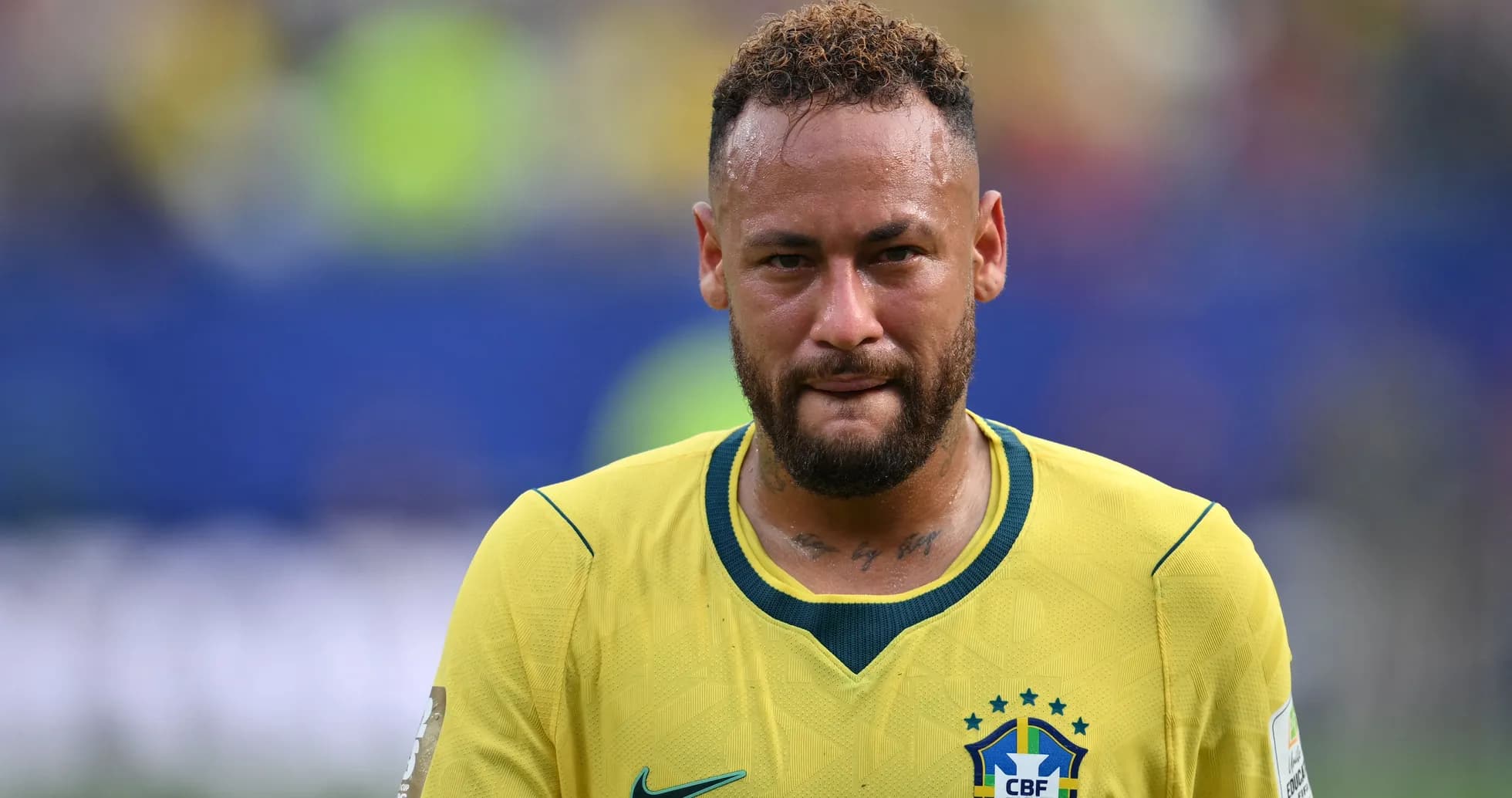
The sentence Brazil had been dodging for years finally arrived. Neymar is done with the Seleção.
Carlo Ancelotti confirmed what had long felt inevitable but never officially stated: Brazil’s most gifted footballer since Ronaldo will not wear the yellow shirt again. No farewell tour. No late twist before 2030. The decision, the coach stressed, is Neymar’s — and it closes a chapter that defined a generation.
“He deserved to be there because of his quality. Neymar has already confirmed that he does not want to return to the national team,” Ancelotti told CNN Esportes, laying the matter bare. Then came the line that will echo for years in Brazilian football debates: “Neymar cannot be replaced because he was an extraordinary and unique talent. So, an irreplaceable player.”
Irreplaceable, yet gone. That is the paradox Ancelotti now has to live with.
Life After Neymar
For over a decade, Brazil’s attacking identity revolved around one man. Neymar was the reference point, the bailout option, the lightning rod for both adoration and criticism. When things went right, he carried the flag. When things went wrong, he carried the blame.
That era is officially over.
With Neymar out of the picture, Ancelotti and national team director Rodrigo Caetano have moved quickly into rebuild mode. Not a gentle refresh. A reset. The goal is ambitious and brutally clear: shape a new core capable of peaking at the 2030 World Cup and dragging Brazil back to the top of the sport.
You can already see the shift on the team sheet. Familiar veterans are fading from view. Teenagers and early-twenties hopefuls, many still cutting their teeth in the Brazilian league, are stepping into the spotlight. Brazil is no longer just calling the next generation; it is handing them the keys.
Ancelotti laid out the blueprint with the same calm authority that has defined his club career.
“I think we need to proceed step by step. Now we need to focus on the young players who could be the future, the players born in 2004, 2005, and 2006,” he explained. He even went younger: “We have young players born in 2008 with a lot of quality, who aren't playing yet, but who can play. Now is the time to look at them, taking their age into account and respecting it.”
He did not dismiss experience entirely. “It's true that a player can play very well even at 36 or 37. Now is the time to prioritize the youth,” he added — a nod to balance, but with the direction of travel unmistakable.
Breaking the Neymar Dependency
One of the loudest criticisms of the Neymar years was simple: Brazil leaned on him too much. When the game tightened, the plan often shrank to “give it to Neymar and hope.” Sometimes it worked. On the biggest stages, it often didn’t.
Ancelotti wants to tear up that script.
“I believe that in modern football, teamwork is what matters, not individual talent,” he said. The line could come from any modern coaching manual, but from a man who has managed some of the greatest individuals in history, it carries extra weight. “Of course, if you have great individual talent, you have a greater chance of winning, but modern football doesn't tolerate a lack of teamwork.”
That is the crux of Brazil’s new identity: no more single savior. A stronger collective, built on young legs, tactical discipline and shared responsibility.
The Italian is not promising samba for nostalgia’s sake. He is promising a side that can cope with the high-intensity, pressing-heavy, physically brutal reality of modern international football. To get there, he wants his youngsters dropped into a demanding, structured, yet expressive system — a framework where flair is welcomed but not worshipped.
The first test of this shift won’t come at a World Cup or Copa América. It starts in quieter surroundings.
Australia, India and the First Auditions
On paper, friendlies against Australia and India will barely register on the global calendar. For Ancelotti, they are anything but casual run-outs.
These games are auditions.
Several debutants are expected to feature as the staff takes a hard look at who can live in the pressure cooker of the Seleção, even in a low-stakes environment. The coaching team wants to see which of these kids can carry instructions, handle the shirt, and still show personality.
“We are working to build a strong team for the future, not to rely on a single great individual talent,” Ancelotti said. Every minute in these matches will be judged through that lens.
The opponents may not scare Brazil, but the stakes are internal, not external. This is about selection, hierarchy, and the first building blocks of a squad that, if all goes to plan, will form the backbone of Brazil’s 2030 campaign.
Learning From Failure
The urgency behind this overhaul comes from pain. Brazil’s last World Cup run ended far earlier than the nation expects or accepts. The exit cut deep, not just because of the result, but because of what it revealed: a team that fell short of its own myth.
“I think the World Cup was a disappointment, we're sorry about that, but now we have to look forward,” Ancelotti admitted. There was no attempt to sugarcoat it. The failure forced the federation and staff to question their methods, their choices, their reliance on individual brilliance.
By confronting those shortcomings head-on, Ancelotti is trying to change the culture as much as the squad list. Accountability, not excuses. Development, not nostalgia.
“We have time to prepare a new generation of players. And now we'll use the friendlies to see the new young talents that Brazilian football is developing in action. I believe Brazil should be among the best teams in the world,” he concluded.
Neymar’s story with the Seleção is written now, its pages full of goals, pressure, heartbreak, and unforgettable nights. The shirt he leaves behind does not get lighter. It never does in Brazil.
The question is no longer who replaces Neymar. Ancelotti has already answered that: no one. The real question is whether this new wave of Brazilian talent can grow together fast enough to make the world fear the yellow shirt again by 2030.