Enzo Maresca on Derby Scheduling: You Need to Adapt
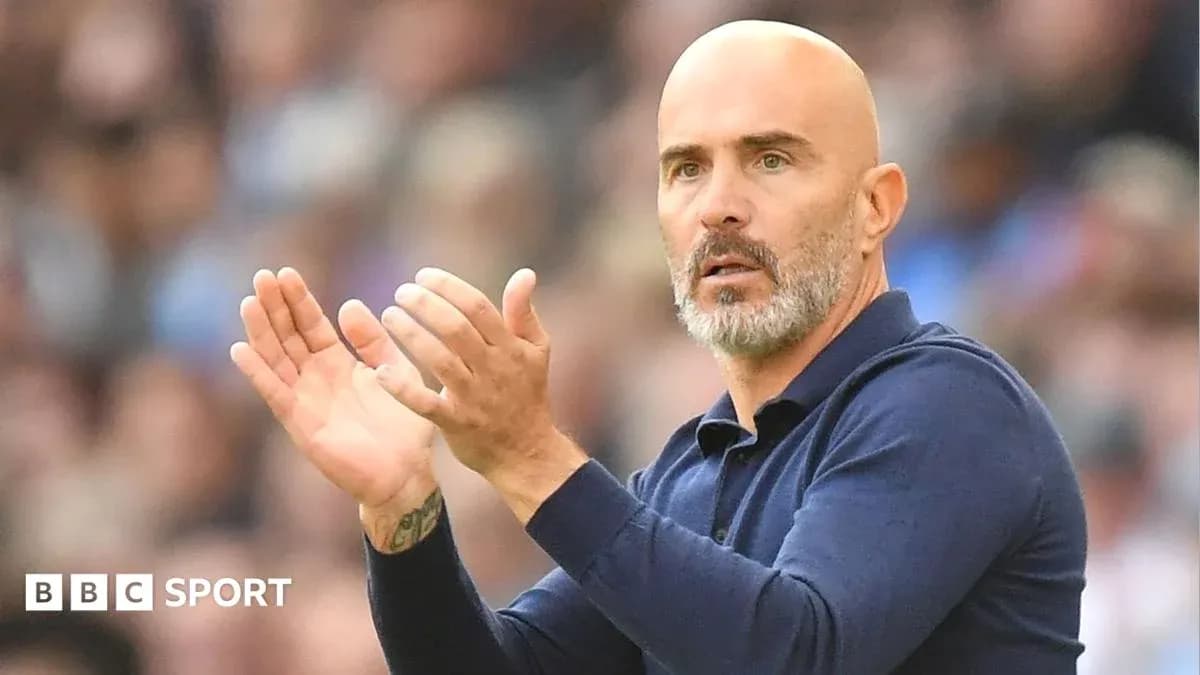
Enzo Maresca shrugs off derby scheduling row: “You need to adapt”
Manchester City walk into Sunday’s derby with the one luxury every manager craves and few dare mention too loudly: time. Two extra days of it.
City wrapped up a controlled 2-0 win at Porto in the Champions League on Tuesday night. Manchester United, by contrast, were still racking up goals 48 hours later, hammering Sabah 4-0 on Thursday. The calendar has handed Michael Carrick’s side the tighter turnaround, the shorter recovery, the thinner preparation window.
Maresca isn’t biting.
Asked about the apparent advantage, the City manager refused to turn the build-up into a scheduling blame game, instead leaning on recent history.
“To be honest, the club mentioned to me that it happened exactly the same last year when the club played Napoli and then, after two days, played Arsenal,” he told BBC Sport.
City know the other side of this coin. Last September, before facing Arsenal at Emirates Stadium, they were the ones slogging through the late Thursday night slot. Arsenal had already played their early Tuesday fixture at Athletic Club. Pep Guardiola, then in charge, joked that he was taking his players “hiking in the mountains” to get them ready.
The joke has gone. The reality remains. The calendar is brutal and getting worse.
“Sometimes it happens in football,” Maresca said. “I don't have any doubt that Man United are going to be ready for that. It just matters to adapt.”
The word keeps coming back: adapt. In the new, swollen Champions League format, clubs face two extra group-stage matches before the end of January. English sides carry that load on top of the Carabao Cup, where the games arrive without mercy.
City host Norwich in the third round next Thursday. United face Brighton at Old Trafford the night before. Both managers will be forced into the same balancing act: rotate, risk, or run players into the red.
Maresca, though, refuses to paint City as either victims or beneficiaries of the fixture list.
“I think that happens and you need to adapt,” he said, when pressed on whether things even themselves out over a season. “It happened last year with us, this season with them, next season it will happen with a different team.”
No rant, no veiled digs, no attempt to pile pressure on Carrick. When asked directly how the United boss might be feeling about the squeeze, Maresca swerved any mind games.
“That's a question for Michael. The only thing I can say is it happened and you need to adapt.”
His focus lies elsewhere. This is his first Manchester derby as City manager, and he walks into it with momentum behind him. Three Premier League games, three wins. A perfect start, crisp and efficient. Across town, United have stuttered: four points from nine, flashes of promise but no sustained rhythm.
That contrast sharpens the edge of a fixture that hardly needed extra spice.
“It is very important for different reasons,” Maresca said. “We know how important a derby is, especially here. It is a special game.”
He didn’t lean on clichés about form going out of the window. Instead, he returned to his core message, the same one he applies to schedule chaos, Champions League congestion and the emotional noise of a city divided.
“The most important thing we can do is try to be ourselves and then we see the final result.”
No complaints. No distractions. Just a manager backing his team to handle the storm, whether it’s the fixture list or the fire of a derby that will quickly reveal who has really adapted to this new, relentless season.