The Father of Cricket: The Legacy of W.G. Grace and Sir Ranjitsinhji
Who Is Called the Father of Cricket?
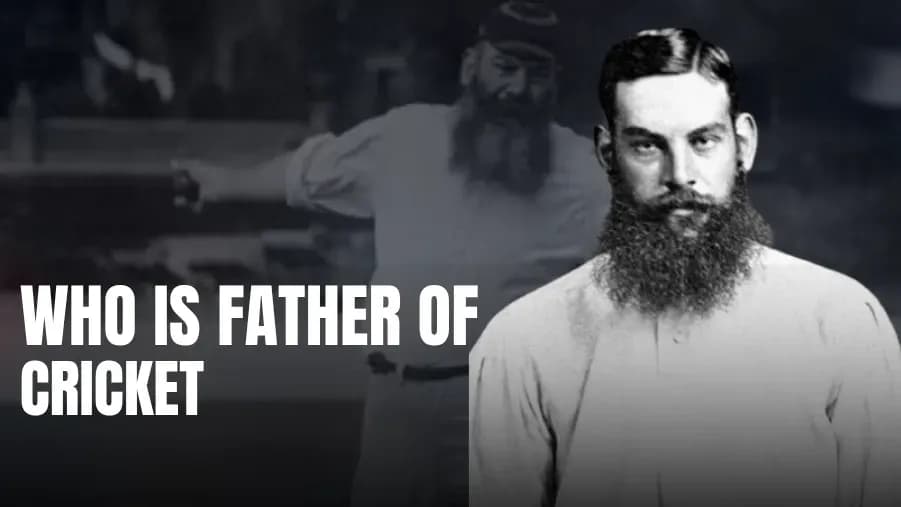
When discussing cricket's origins and evolution, one name stands out: William Gilbert Grace. Known as the father of cricket, he transformed the sport with his batting skills and all-around talent. Born on July 18, 1848, in Downend, Bristol, Grace played an astonishing 870 first-class matches, scoring over 54,000 runs and taking nearly 2,800 wickets. His impact extended beyond statistics; he brought cricket from a simple pastime to a globally admired game.
Key Facts About Sir W.G. Grace
- Full Name: William Gilbert Grace
- Born: 18 July 1848, Downend, Gloucestershire, England
- Died: 23 October 1915, Mottingham, Kent, England
- Test Debut: 6 September 1880 vs Australia
- Test Matches Played: 22
- First-Class Matches: 870
- Runs Scored: Test - 1,098, First-Class - 54,211
- Wickets Taken: Test - 9, First-Class - 2,809
- Known For: Revolutionizing cricket with his batting technique and all-round play
- Profession: Cricketer and Physician
Early Life and Cricket Beginnings
Grace came from a well-known medical family, one of nine siblings. Encouraged by his father and brothers, he showed cricket talent early on. By age 15, he was playing for Gloucestershire and soon appeared in the prestigious Gentlemen versus Players match, a top fixture before Test cricket began in 1877. Even as a teenager, he scored centuries and quickly became a dominant figure in first-class cricket.
Rise to Stardom and Influence
Grace was more than just a cricketer; he was a public figure who attracted crowds and attention to cricket. His charismatic personality and exceptional skill helped popularize the sport. In Bristol, his hometown, numerous memorials honor him, including murals and stones. At London's Lord's Cricket Ground, the iconic W.G. Grace Memorial Gates pay tribute to his contributions.
How W.G. Grace Changed Cricket
Grace introduced structure and technique to batting that set new standards. He mastered footwork and shot selection, shaping how the game was played. He lived through significant changes, like the introduction of overarm bowling and evolving cricket laws. Grace’s presence encouraged more organized competitions and made cricket a serious sport worldwide, moving it from informal club matches to international contests.
The Evolution of Rules and Role of MCC
The Marylebone Cricket Club (MCC) was growing as cricket’s lawmaker during Grace’s time. Many rules, such as run-outs and the follow-on, were becoming formalized. Protective gear also started appearing. Grace sometimes pushed boundaries on sportsmanship, prompting MCC to refine regulations. His popularity drove the demand for better-organized games and helped cricket grow into a global sport.
Why W.G. Grace Is Called the Real Father of Cricket
Grace earned this title not just through records but by changing how cricket was viewed. His lengthy career, combined with charisma and unmatched skill, inspired generations. Fans flocked to see him play, and he shaped the transition from casual matches to structured county and international games. He wasn’t just a player; he was the face of cricket’s rise.
Legacy and Impact
While some debate who deserves the title of cricket’s father, Grace’s influence is undeniable. He set batting standards that challenged bowlers of his era and inspired countless players. His passion drew fans and elevated cricket’s status, leaving a legacy still celebrated today.
Father of Cricket in India: Sir Ranjitsinhji Vibhaji Jadeja
In India, the title of father of cricket goes to Sir Ranjitsinhji Vibhaji Jadeja, known as Ranji. Originating from the royal family of Nawanagar, he made his mark playing university cricket in England, later representing the England national team. Ranji was famous for his elegant batting, particularly his leg glance, regarded as flawless.
- He surpassed W.G. Grace's record for aggregate runs in a season in first-class cricket.
- Received Wisden Cricketer of the Year honors in 1896.
- The prestigious Indian first-class tournament, the Ranji Trophy, is named after him.
His style and achievements influenced Indian cricket profoundly, making him a foundational figure in the sport's history there.
Summary
Many great cricketers have graced the game, but W.G. Grace stands apart for his role in shaping cricket’s development globally. Though legends like Sachin Tendulkar, Ricky Ponting, and Jacques Kallis advanced the sport, none matched Grace's pioneering influence. Playing when cricket was less popular, Grace’s skills and dedication laid groundwork for future stars. In India, Sir Ranjitsinhji played a similar foundational role.
Both remain iconic, remembered for their skill and the deep impact they had on cricket's growth and spirit.
Frequently Asked Questions
- Who is the father of cricket? W.G. Grace is widely recognized as the father of cricket.
- Who is called the king of cricket? Virat Kohli is often referred to as the king of cricket.
- Who is the king of God in cricket? Sachin Tendulkar holds this title.
- Who is the prince of cricket? Shubman Gill is known as the prince of cricket.
- Who is the father of cricket in India? Sir Ranjitsinhji Vibhaji Jadeja, also known as Ranji.
- Who is known as Mr. 360? AB de Villiers earned this nickname.