Fouzi Lekjaa on AFCON Dispute and 2030 World Cup Ambitions
Fouzi Lekjaa is not blinking.
With the legal battle over the 2025 Africa Cup of Nations final against Senegal heading toward a crucial date at the Court of Arbitration for Sport (CAS) on 8 October, the president of the Royal Moroccan Football Federation has doubled down on Morocco’s stance: this is about rules, regulations and the integrity of competition – nothing else.
In a detailed interview with “Jeune Afrique”, excerpts of which were carried by “Al-Shorouk”, Lekjaa laid out Morocco’s case and its wider vision, from the AFCON storm to the race to host the 2030 World Cup final.
Morocco vs Senegal: a final that won’t end
For Lekjaa, the dispute over the 2025 AFCON final has left the pitch and moved firmly into the legal arena. He insists Morocco’s position is rooted in the competition’s regulations and the principle of fair play, not in politics, emotion or side agendas.
At the heart of the Moroccan argument lies Senegal’s conduct during the final. According to Lekjaa, the Senegalese players and technical staff left the field in a way that clearly breached the rules. That act, in his eyes, cannot be brushed aside as a moment of frustration or tension. It strikes at the core of how international competitions are supposed to be run.
He underlined that world football’s lawmakers have since reacted. FIFA, he noted, went on to amend certain provisions to toughen sanctions in similar situations. For Lekjaa, that evolution only underlines the seriousness of what happened and the need to uphold the letter of the law.
So Morocco digs in. Confident in the legal path chosen, the federation will keep turning to what Lekjaa calls the “competent bodies” to defend its rights and to ensure that the same rules apply to everyone, regardless of the badge on their chest.
CAS hearing: just one stop on a long road
All eyes now turn to 8 October and the hearing at CAS. Lekjaa, though, is careful not to dress it up as judgment day.
He describes the session as a stage, not the destination. The panel may listen, question and probe, but that does not mean a final verdict will land that same day. The file is dense, the stakes are high, and Lekjaa openly acknowledges that the legal process could stretch on.
There could be more hearings, more written submissions, more back-and-forth before the case is finally closed. Morocco, he says, is prepared for that. The goal remains the same: a decision that, from Rabat’s perspective, reinforces respect for the regulations that govern both continental and global competitions.
Eyes on 2030: Rabat’s push for the World Cup final
From the courtroom to the grandest stage of all.
Lekjaa then shifted to another strategic battle: Morocco’s ambition to host the 2030 World Cup final. The tournament will be shared by Morocco, Spain and Portugal, and the race to stage the showpiece match has already begun behind closed doors.
Here, too, he is keen to underline one message: Morocco will play by the book. He stressed that the country is committed to every procedure laid down by FIFA – from inspection visits to the formal processes that determine which cities and stadiums get the biggest games.
But playing by the rules does not mean staying quiet. As the African representative in this joint bid, Morocco, Lekjaa insists, has every right to argue its case for the final. The ambition is clear: to bring the biggest match in football to Moroccan soil, without cutting corners or clashing with the official framework FIFA has set.
Respect the process. Fight for your chance. That is how Lekjaa frames Morocco’s World Cup push.
Backing Infantino, demanding better governance
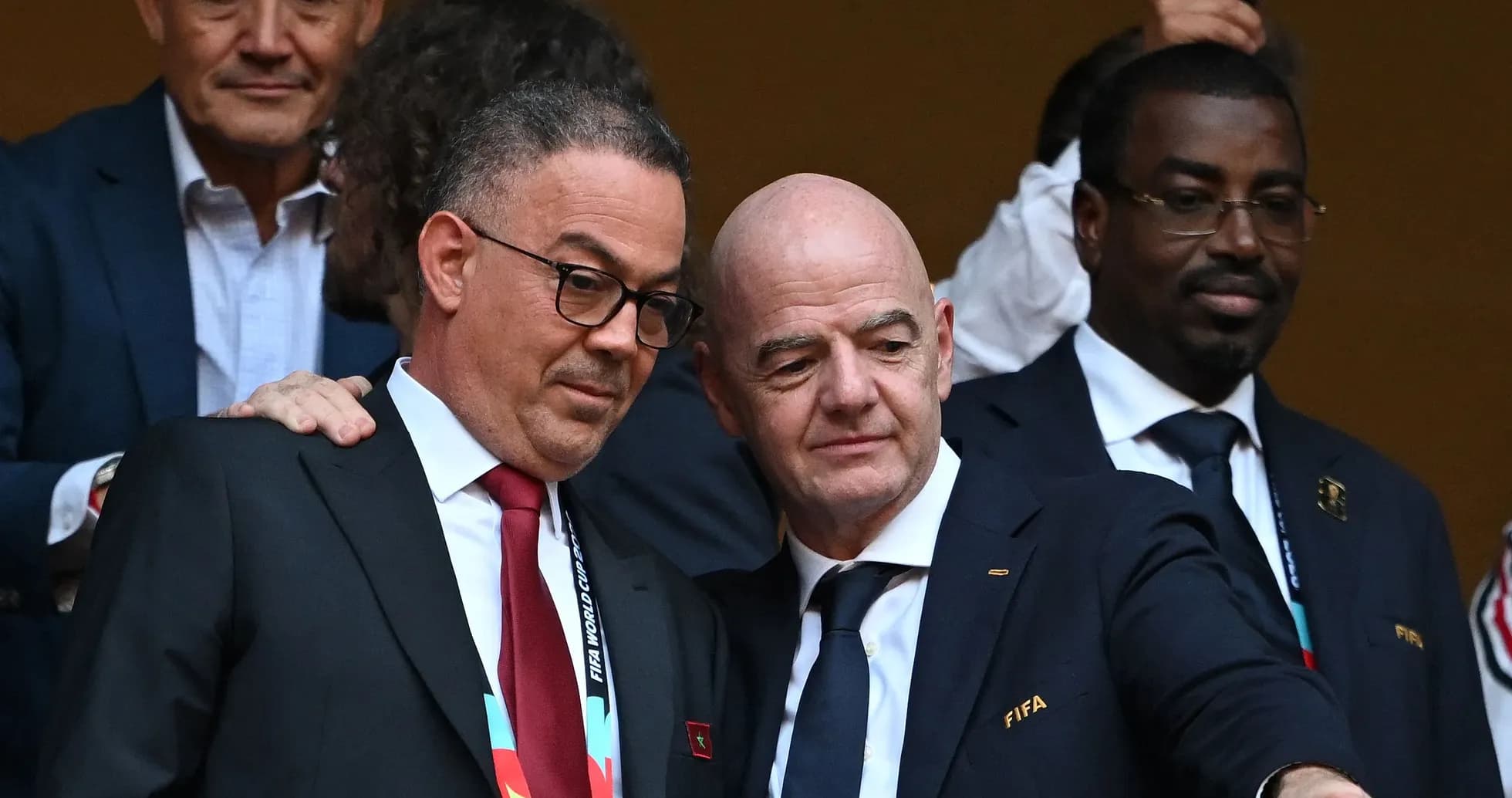
The Moroccan federation chief also addressed a topic that often stirs debate: his support for FIFA president Gianni Infantino.
Lekjaa defended that stance as a choice rooted in a belief in football’s power to unite people and bridge divides. Supporting Infantino, he argued, does not mean giving a free pass to FIFA’s inner workings or turning a blind eye to the need for reform.
On the contrary, he spoke of the urgent need to strengthen balance, transparency and governance at the heart of world football. Personalities come and go; for Lekjaa, the real battle is about building robust institutions and a system capable of managing competing interests across continents.
His vision, as he tells it, is anchored in principles rather than individuals. Morocco will back leadership that pushes football forward, but will also keep demanding structures that are fair, accountable and strong.
From the AFCON dispute to the World Cup dream, one theme runs through Lekjaa’s words: football’s rules must mean something. The coming months will reveal whether the courts, and FIFA’s corridors of power, see it the same way.