Grassroots Football Faces Crisis as Pitches Close Due to Heat Damage
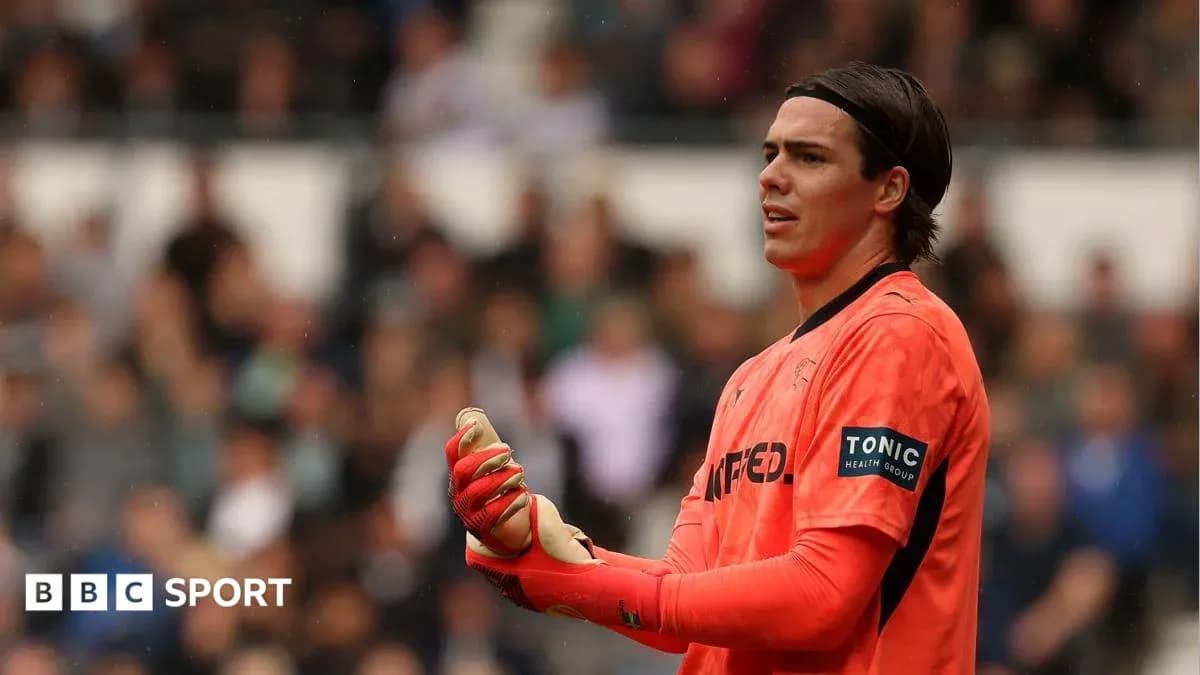
On the professional stage, football rolls on under pristine lights and manicured turf. At grassroots level, the game is starting to buckle.
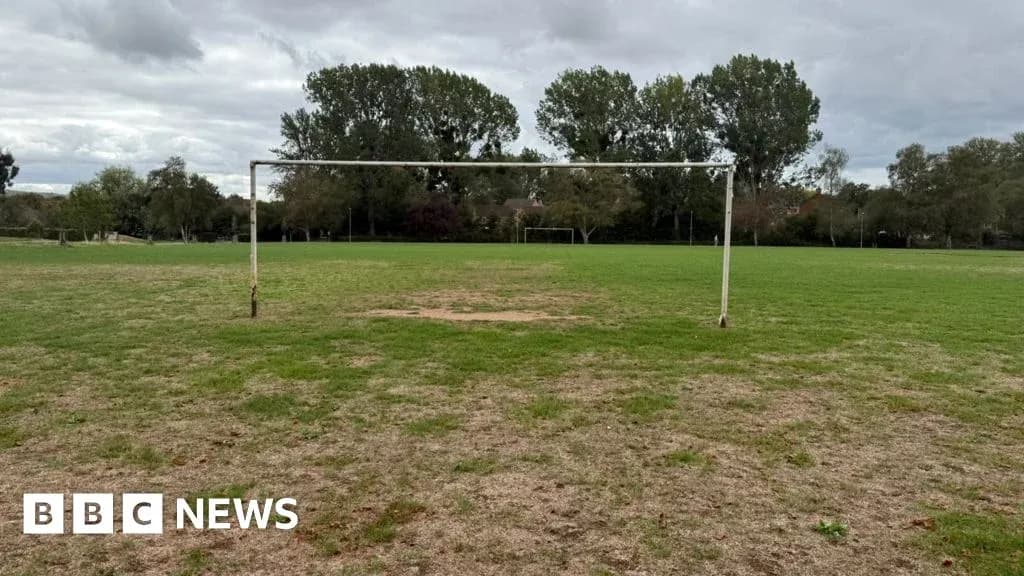
In Taunton, some pitches have been shut down altogether after months of extreme heat and drought left surfaces cracked, brittle and unsafe. Taunton Town Council has closed its sports pitches “to protect the long-term quality and sustainability of the facilities” and to safeguard players.
For the local game, that decision cuts deep.
“We're already close to breaking point with more teams than we have pitches,” said football consultant Paul Coltman, who works with the affected clubs. “Those pitches that are still usable will now have more games on them which means the knock-on effect is huge.”
This is not just about losing a few Sunday league fixtures. It reaches into every corner of community football: junior matches, midweek training, casual kickabouts after work. The closure squeezes all of that onto fewer patches of grass, already under strain.
Coltman did not sugar-coat it. “This is a huge impact on local football and a massive drain on an already shrinking volunteer base,” he said. Clubs that rely on unpaid groundsmen, coaches and organisers now face longer hours, tougher logistics and more frustrated players and parents.
The council insists the call was unavoidable. Extended drought, it said, has stripped back grass cover and baked the ground to the point where continued use would do lasting harm.
“Our inspections have indicated that continued use at this stage could cause significant damage to the pitches and affect their condition for the remainder of the season,” a council spokesperson said. The surfaces, they added, are showing “signs of recovery” but “remain under considerable stress and require additional time to recover fully before regular play resumes.”
The heatwave did not create the problem on its own. It exposed it.
Coltman was blunt about the wider picture. The pitches, he said, were already deteriorating long before the recent weather turned them into near-concrete. “This is a result of years of neglect and poor maintenance,” he said.
Now clubs are scrambling. “Those clubs are now going to need to work together to find alternative venues,” Coltman added. That means sharing facilities, shifting kick-off times, travelling further afield, and in some cases postponing or cancelling games altogether.
And there is no quick fix. “This isn't going to go away quickly by the sound of things,” he warned.
The council says it is keeping a close watch. “The pitches are being inspected regularly and the situation is reviewed on a week-by-week basis,” the spokesperson said.
For grassroots football in the area, every one of those weeks matters. Each lost training session, each cancelled match, chips away at momentum, participation and the fragile ecosystem of volunteers that keeps the game alive. The question now is not just when the pitches will reopen, but how long the local game can absorb the strain.