Harry Kane: The English Striker on the Brink of Ballon d'Or Glory
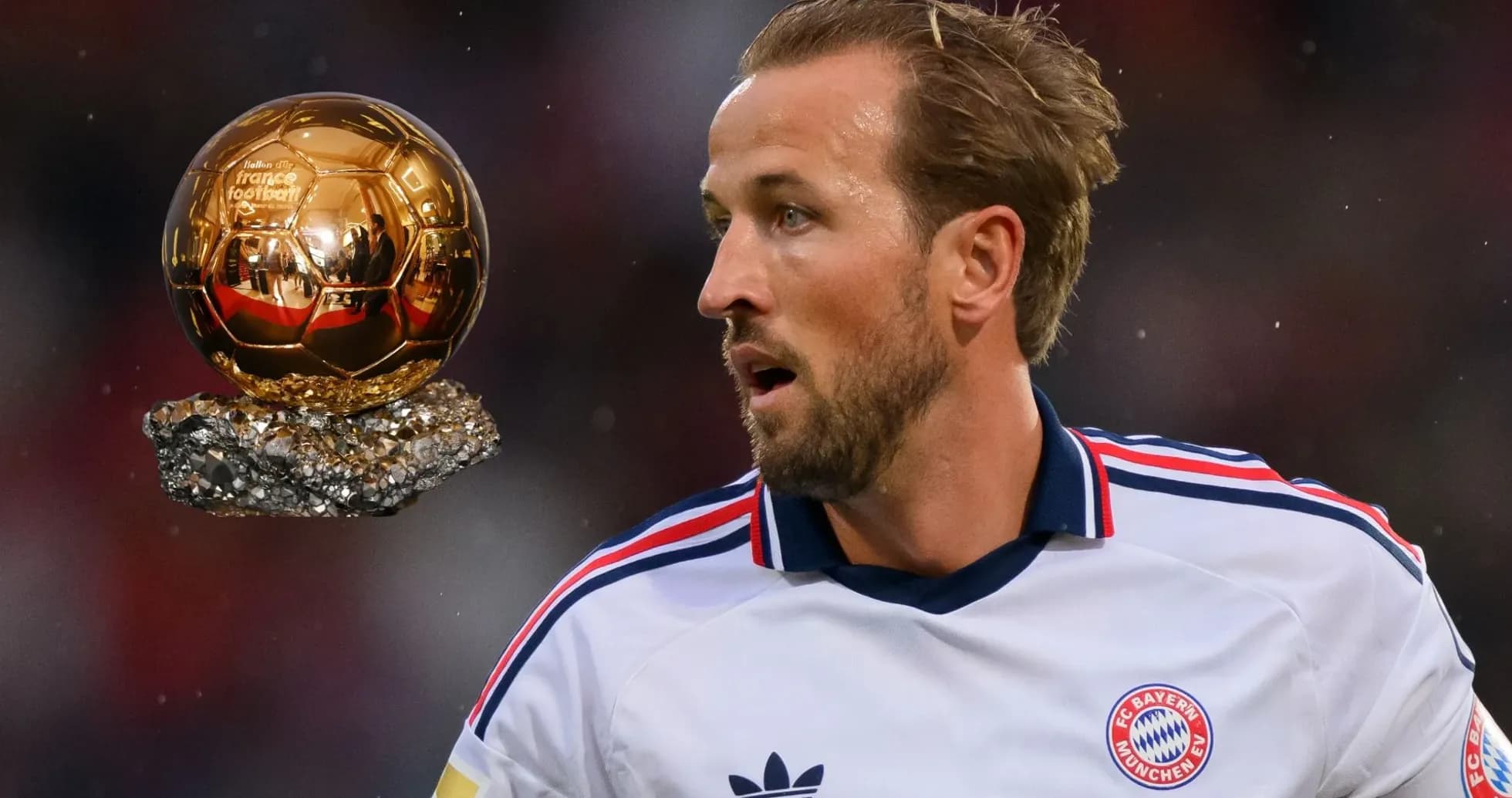
Harry Kane stands on the brink of a prize that has eluded English football for a generation. A quarter of a century after Michael Owen held the Ballon d’Or aloft, the Bayern Munich striker is the leading candidate to be crowned the best player on the planet.
England has flirted with the Golden Ball plenty of times without grasping it. Billy Wright, Duncan Edwards, Johnny Haynes, Jimmy Greaves, Bobby Moore, Gary Lineker, Alan Shearer, David Beckham, Frank Lampard, Steven Gerrard, Jude Bellingham – all close, all on the podium, none with the trophy in their hands.
The landscape itself has shifted. For 15 years, Lionel Messi and Cristiano Ronaldo turned the Ballon d’Or into a private duel, sharing 13 awards between them and dragging the bar to almost absurd levels. Messi, with eight, rewrote what individual dominance looks like. Ronaldo chased him relentlessly, redefining longevity and obsession.
Now that era is fading. The crown is vulnerable again.
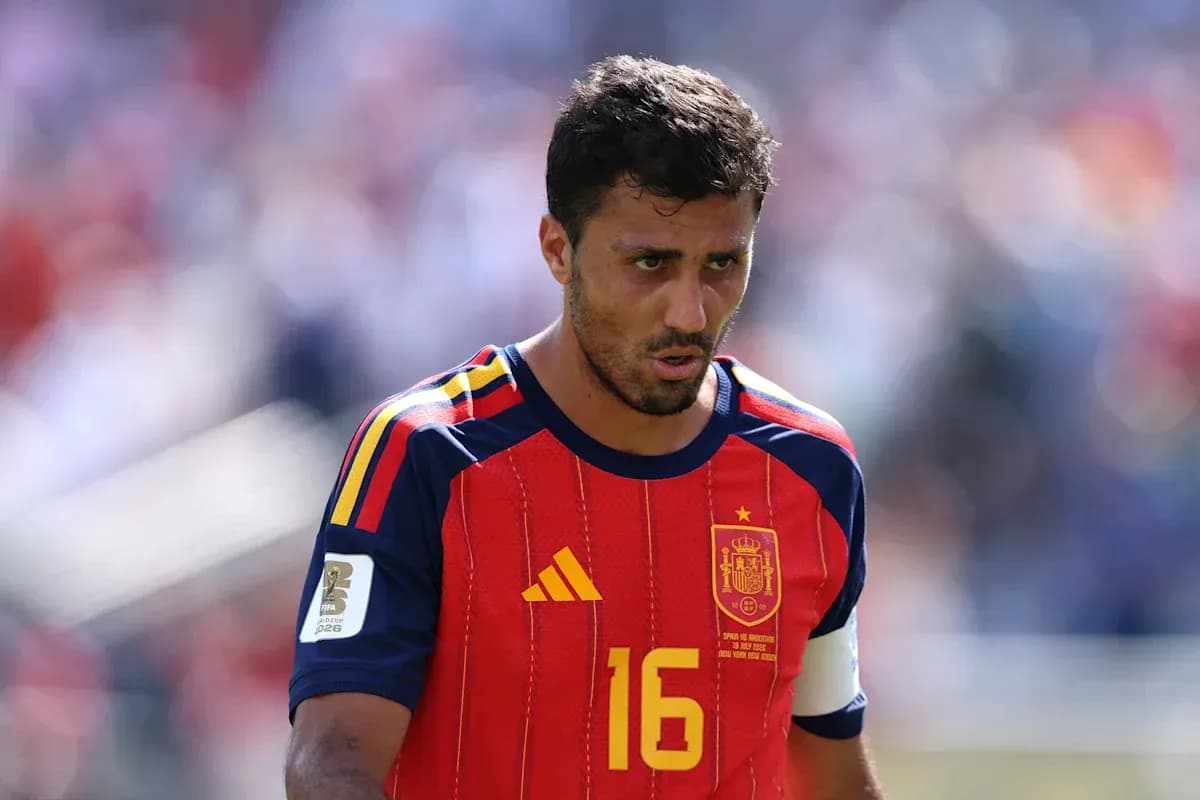
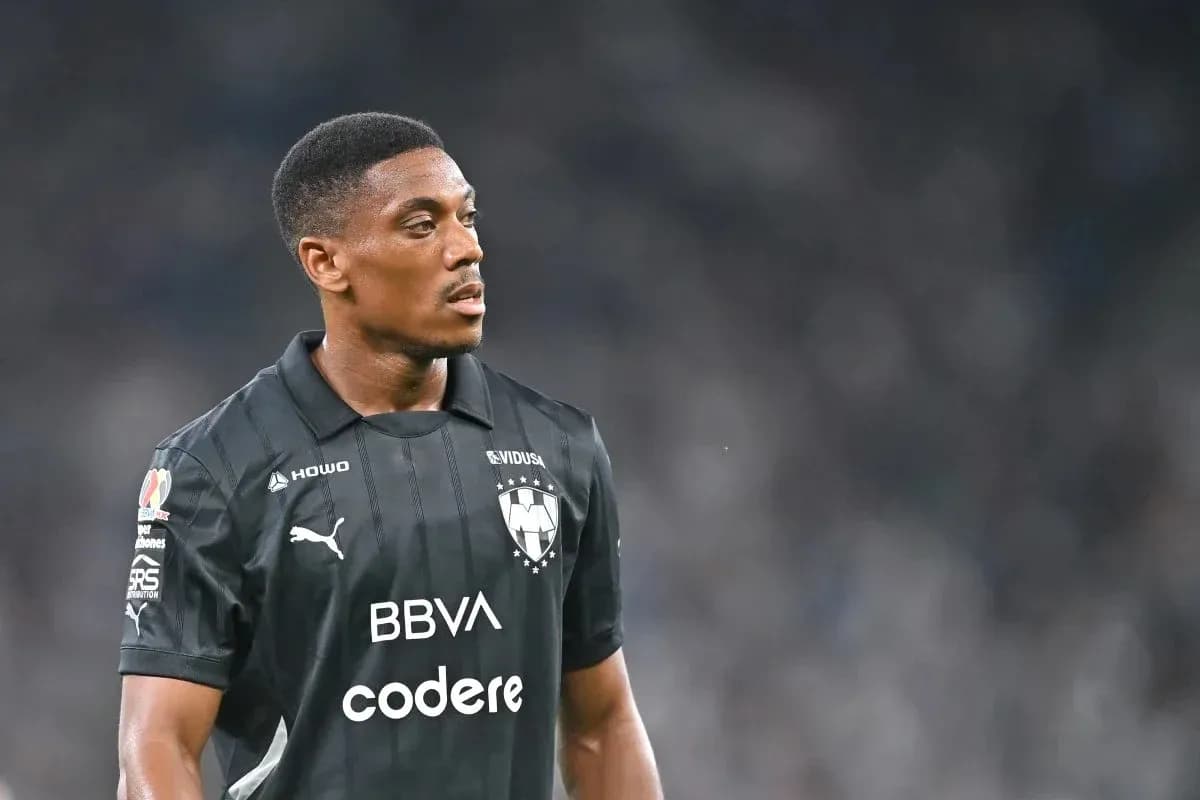
Rodri and Ousmane Dembele have helped to usher in that transition, both featuring prominently in the last two Ballon d’Or polls and returning this year armed with World Cup and Champions League medals from 2026. They are firmly in the frame again, part of a crowded field that includes Kylian Mbappe, Lamine Yamal, Michael Olise and Khvicha Kvaratskhelia.
Yet the favourite is an English No. 9.
Kane’s case is brutal in its simplicity: goals, and lots of them. Sixty-one for Bayern last season. Twelve more for England. Seventy-three in total across club and country – a “silly” number by his own admission – and a second Bundesliga title in his first two years in Germany. Only Messi, with a single-season high of 82, has ever gone higher. Not even Ronaldo, whose personal best sits at 69, has scaled that mark.
This is the company Kane now keeps.
For England, the significance runs deeper than numbers. Owen remains the last Englishman to win the Ballon d’Or, back in 2001. Before him came Stanley Matthews, the inaugural winner in 1956, World Cup icon Bobby Charlton, and Kevin Keegan, who went back-to-back in 1978 and 1979. Four winners in roughly three-quarters of a century. That’s the scale of the task.
Owen, now an ambassador and still the most recent Englishman to conquer Europe’s elite, knows exactly how rare this moment is. He points to the pattern: four winners in around 75 years, roughly one every two decades. By that rough average, England is overdue.
Kane, though, is not treating it as a personal crusade. Speaking to TNT Sports, he framed the possibility with a mix of ambition and detachment. Not long ago, he reminded, he was just another fan dreaming of turning professional. Now he sits in the middle of the sport’s most heated individual debate.
He recognises that the decision lies with voters, not with him. He also calls last season the best of his career “by far”, even as his mind already drifts to the next challenge, the next marginal gain, the next improvement. That tension – between savouring what he has done and pushing on – defines the modern elite forward.
Kane also understands the noise around the award. Football is argument as much as it is art. Some fall for pace, others for intelligence, others for ruthless finishing. The Ballon d’Or feeds those divides, turns pub debates into global campaigns. Kane is content simply to be in the conversation.
The numbers, though, refuse to be dismissed as just fuel for discussion. Matching the output once reserved for Messi and Ronaldo was supposed to be a fantasy. Kane has turned it into a season’s work.
Whether that is enough will be decided under the lights of the London Palladium Theatre on October 26. On that stage, one name will be read out, one player will step forward, one era will tilt in a new direction.
If it is Harry Kane, England’s long wait ends, and a new standard for its greatest goalscorer is set in stone. If it is not, the question lingers: how much more can a modern striker possibly do?