Hearts Show Depth and Control in Cup Victory
Wouter Vrancken shuffled his pack, but Hearts never missed a beat.
Six changes to his previous starting XI, big names on the bench, a quarter-final on the line – it had all the ingredients for a disjointed night. Instead, Hearts looked like a side built for exactly this kind of rotation, brushing aside the disruption with a calm, controlled performance that underlined the depth of their rebuild.
Claudio Braga, James Wilson, Josh McPake, Calvin Miller, Jordi Altena – all sat out from the start. On another night, that list would dominate the narrative. Here, their absence barely registered. That, more than anything, is a sharp compliment to the club’s recruitment and the clarity of Vrancken’s blueprint.
At the heart of it was JJ Williams.
Given the nod to lead the line, he played like a man determined to prove the data right. Identified by Jamestown Analytics and backed by the coaching staff, he delivered exactly the profile they’d projected: power in the duels, raw speed in behind, direct running that never let Stenhousemuir settle, and, crucially, the kind of penalty-box instinct that decides cup ties.
His movement for the opening goal said everything. Right place, right time, but not by accident – by timing, by reading the play, by living on the defender’s blind side. It was the sort of finish that makes analysts nod and supporters lean forward. Add his tenacity out of possession and his willingness to graft for team-mates, and you can see why Vrancken spoke so warmly about him afterwards. Williams didn’t just score; he justified the entire process that brought him to Tynecastle.
This is what stands out about Hearts right now. A summer of upheaval was supposed to bring turbulence. New faces on the pitch, new ideas off it, a squad still learning each other’s habits. Instead, the transition looks almost effortless. Vrancken rotates heavily, and the structure holds. The intensity holds. The standards hold.
While Hearts showed off their depth, the story on the other side was about sheer effort.
Marvin Bartley had already lifted the lid before kick-off, telling BBC Scotland his Stenhousemuir squad train together just twice a week for 75 minutes at a time. Part-time players, full-time commitment. They had knocked out Motherwell in the previous round and arrived here unbeaten this season, riding the momentum of last year’s League 1 title under Gary Naysmith despite another summer of change after Naysmith’s move to Ayr United.
Against that backdrop, reaching the quarter-finals is an achievement in itself. Bartley’s side did not freeze under the lights. They chased, they pressed, they “emptied the tank”, as their manager demanded. The gulf in resources was obvious; the gulf in attitude was not.
The turning points, though, were ruthless.
Bartley’s frustration with the second goal summed it up: a mistake at the back, punished at this level. Then came the third, when every claret shirt in the box seemed drawn magnetically towards Williams at the back post, leaving Yan Dhanda free in the centre to finish. One lapse, then another. Against a team with Hearts’ quality, that’s enough.
Bartley could only acknowledge the reality. A part-time team, players coming straight from a day’s work into a high-intensity cup tie, pushed to their limit and finally undone by a better side. There was pride in his words, and there was a hard truth too: sometimes, in football, that’s how it ends.
For Hearts, it was about something else entirely – control, maturity, and a growing sense of identity.
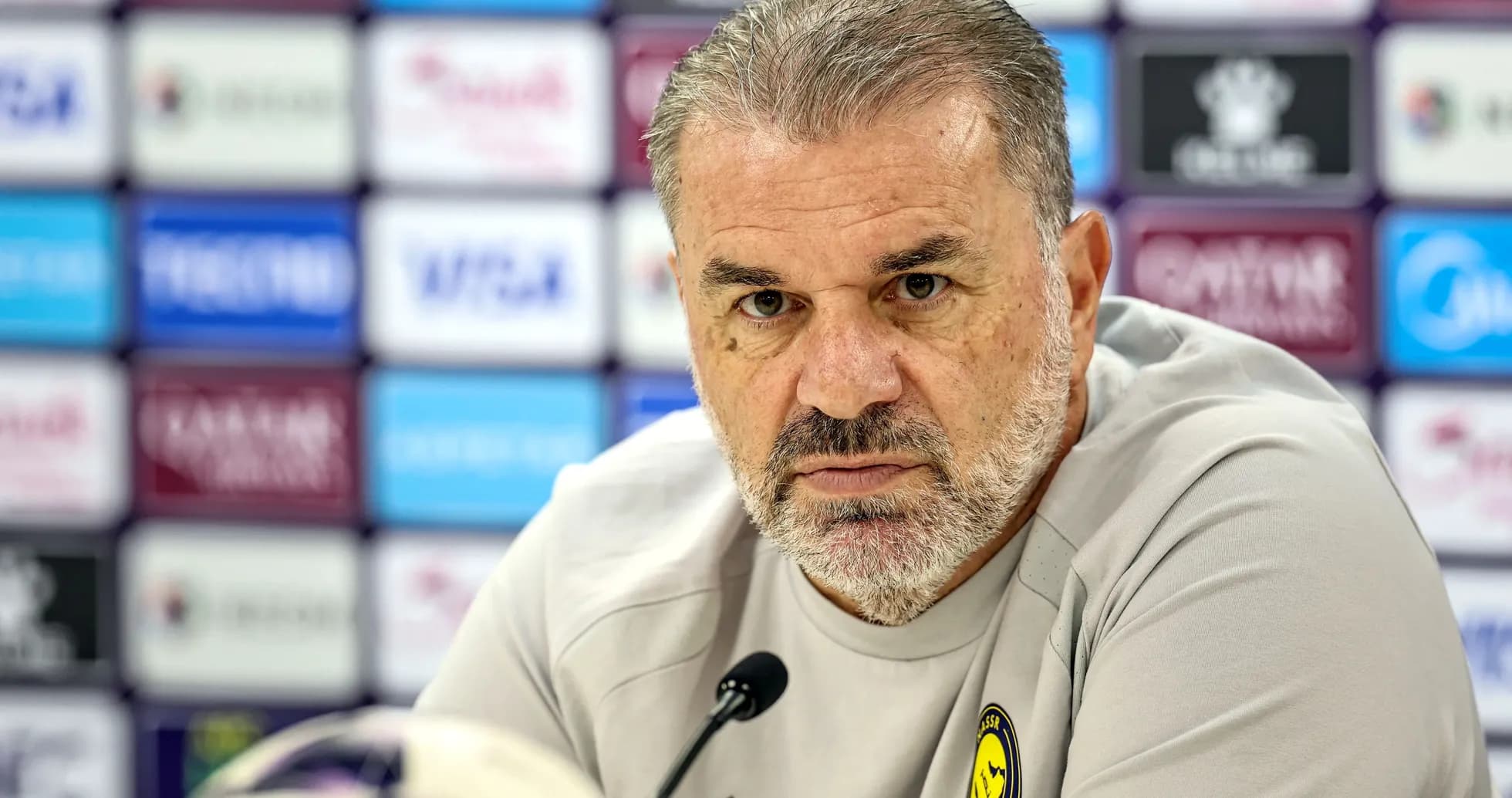
Vrancken liked what he saw. His team didn’t chase the game or force the spectacle. They stuck to the plan, kept their shape, and managed the tempo. The energy was there, but it was channelled rather than chaotic. He highlighted Williams’ “really good game” and, tellingly, spoke about the forward’s personality off the pitch – how quickly he’s connecting with team-mates, how naturally he’s fitting into the dressing room. That matters in a squad built to compete on multiple fronts.
This is what a serious side looks like in the early months of a long season: rotating without wobbling, integrating new signings without losing cohesion, handling awkward cup nights with a professional edge.
If this is Hearts still in transition, what happens when they truly hit their stride?