Ilia Topuria's Powerful Message After UFC Loss
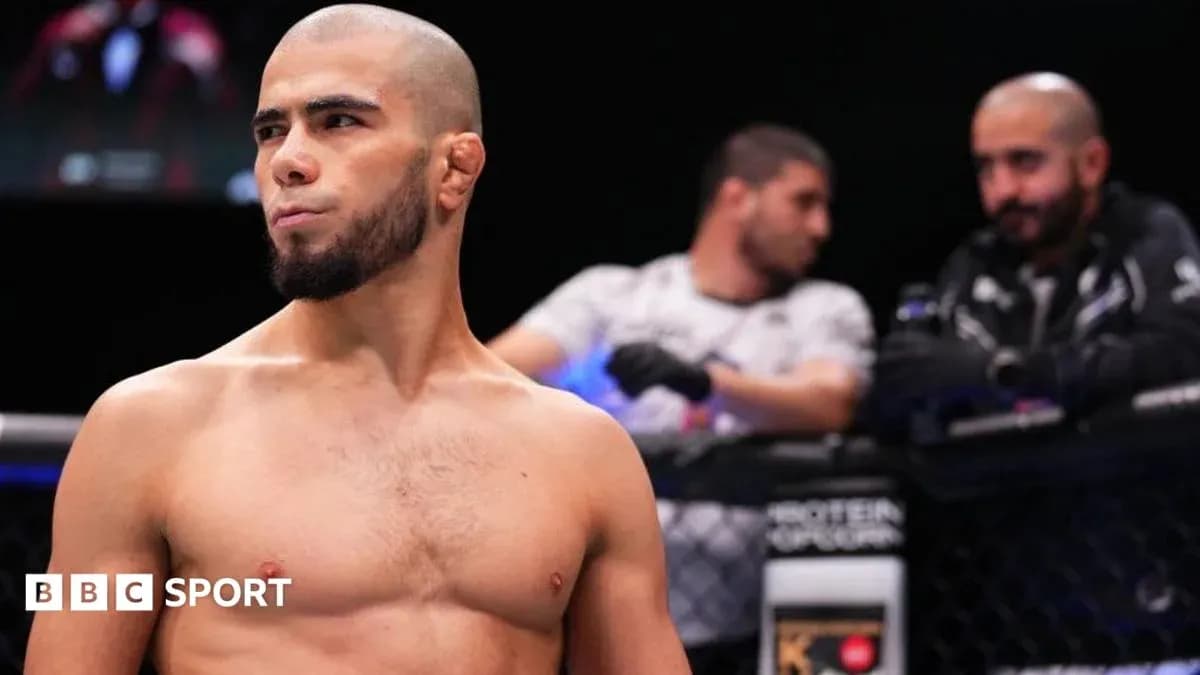
Ilia Topuria has broken his silence.
Weeks after his brutal loss to Justin Gaethje at UFC White House, the former unbeaten champion resurfaced not with a callout or a training clip, but with something far more revealing: a video message to his young son, Hugo.
No trash talk. No excuses. Just a father explaining what it means to fall.
From untouchable to undone
Topuria walked into UFC White House in June carrying the aura of a man who had solved the game. Undefeated. A reigning lightweight champion defending his belt for the first time after three successful title wins at 145 pounds. The bookmakers had him as a heavy favorite. The narrative was simple: another step in a flawless ascent.
Gaethje tore that script in half.
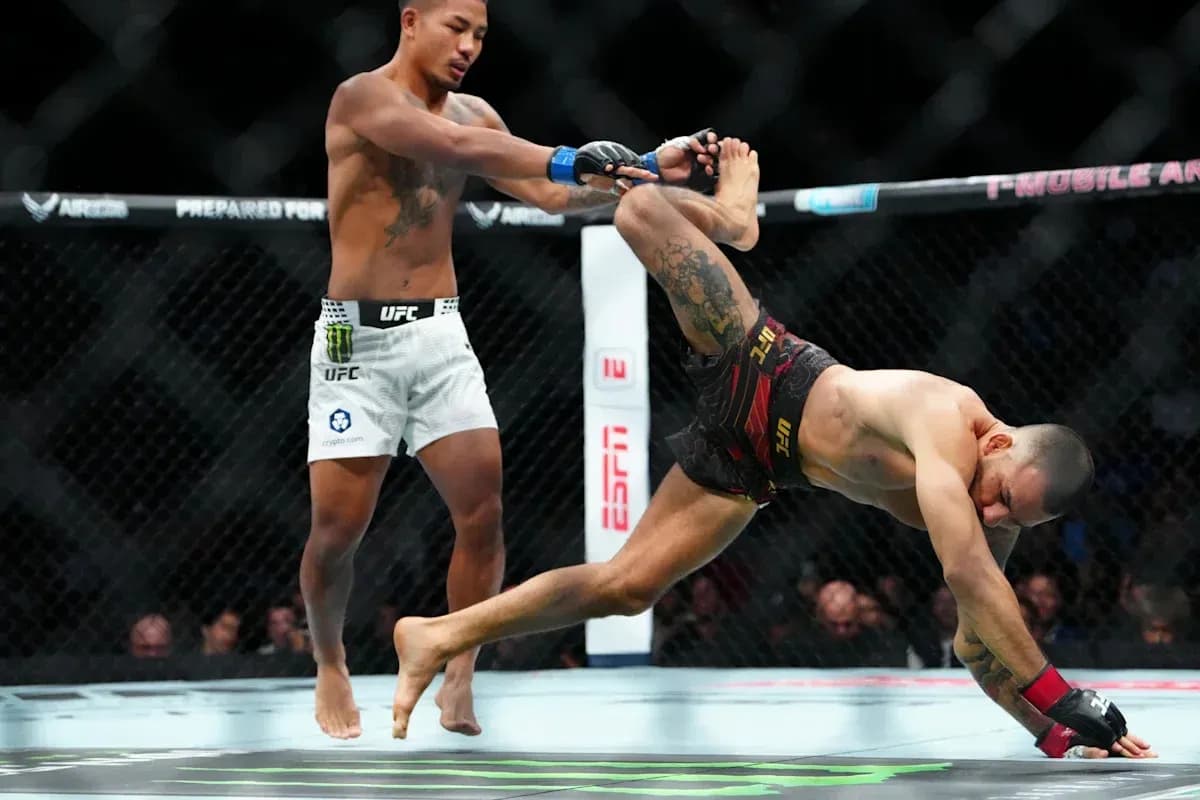
In one of the standout title-fight performances in UFC history, Gaethje dragged Topuria into deep, ugly waters. The champion was punished, picked apart, and ultimately left too damaged to answer the call for the fifth and final round. The night ended not with another belt raised, but with a man sitting on his stool, beaten for the first time.
Topuria’s initial reaction in the aftermath was pure respect. He credited Gaethje fully and promised a rematch. No controversy, no complaints. Just a vow: they would do it again.
Now, with the swelling down and the noise around the upset beginning to fade, he has chosen to show what that loss did to him — and what he believes it will do for him.
A lesson framed as a scar
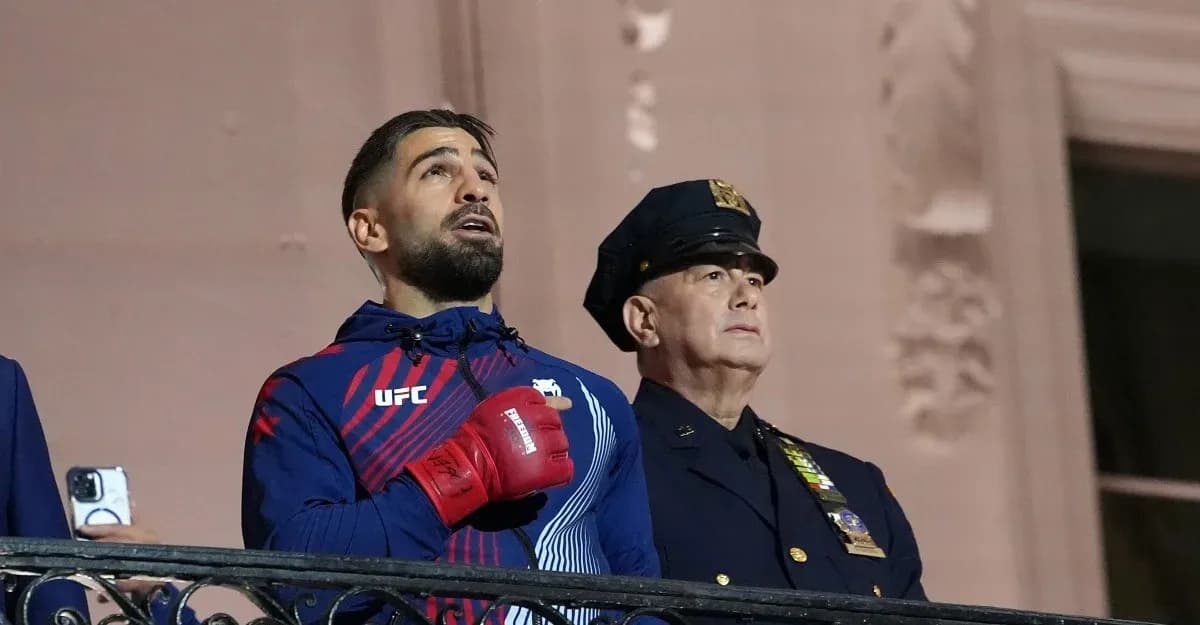
“Hugo, I’ve been thinking about you these past two days,” Topuria says in the video, his words aimed less at the public and more at the boy who watched his father crumble on the biggest stage of his career.
He speaks about the moment he went down. About the pain he knows his son felt. About wishing he could have shielded him from it — and yet being glad they experienced it together, because in his eyes, that night hardened them both.
From there, the message turns into something closer to a manifesto.
He tells Hugo that winning is not guaranteed, that defeat will come, and that the result itself is not the point. What matters, he insists, is “how you lose, who you choose to be when everything goes dark,” when you’re forced to decide whether to stay on the canvas or stand up again.
Topuria frames the loss almost as a calling. He says he believes God wanted him to live through that moment to learn something no victory could ever teach him. Character, he says, doesn’t reveal itself when life is easy. It shows up on the hardest day, when everything breaks and you have to answer a simple question: now what?
His answer is blunt: after “going through that hell,” he feels stronger than before. To him, a champion is not the man who never falls. It’s the one who always finds a reason to rise.
Broken face, unbroken will
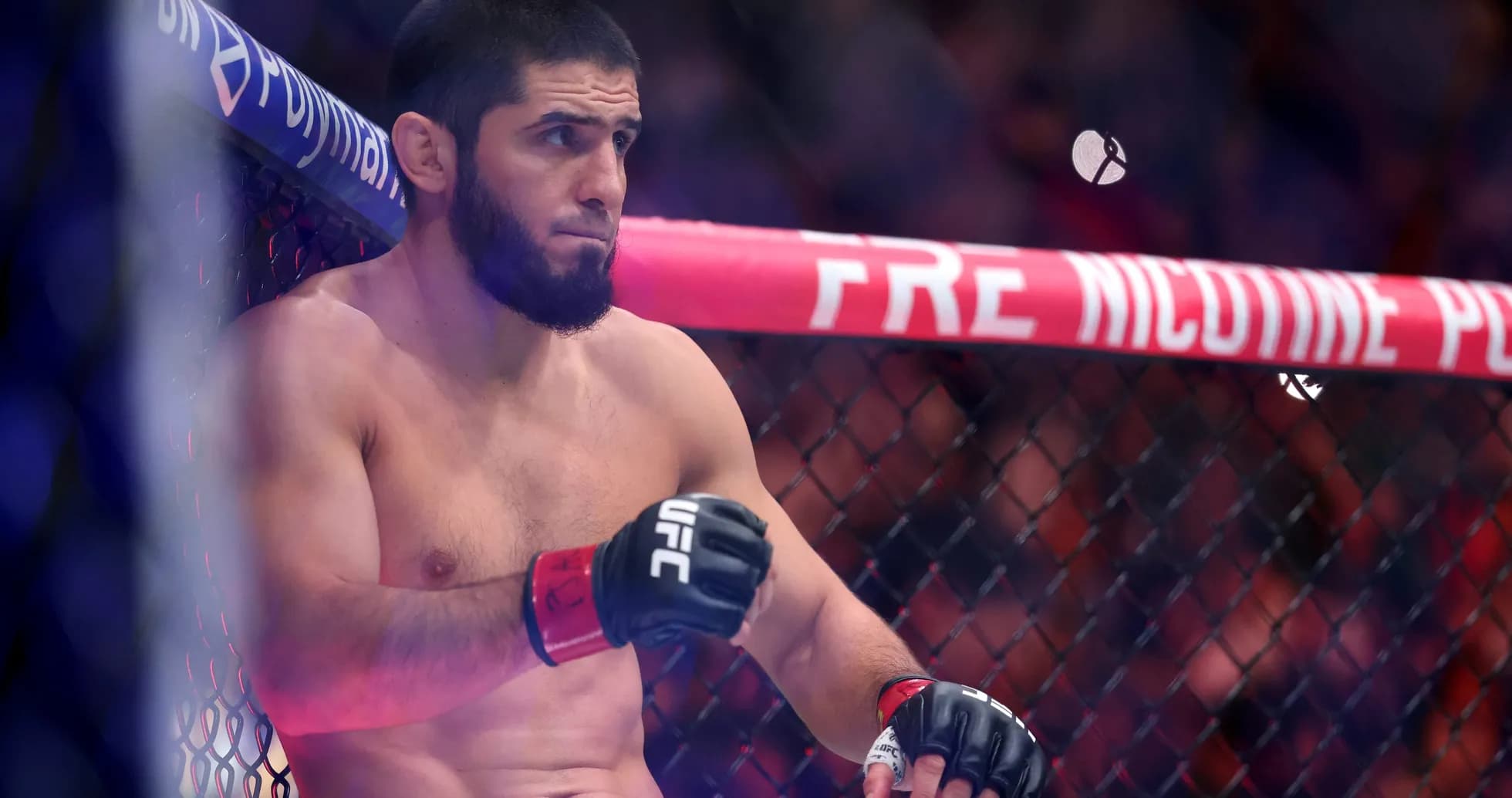
The damage from Gaethje’s onslaught was real. Reports indicated Topuria suffered extensive facial injuries in the fight, though he avoided surgery. There is no set timetable for his return, no date circled on a calendar, no announced opponent.
The division, of course, refuses to wait.
Gaethje stands as undisputed champion, with a line of contenders forming. Arman Tsarukyan is in the conversation. So is Mauricio Ruffy. So is Max Holloway. And somewhere in that mix, when his body allows and his team is ready, sits Topuria — the man Gaethje had to break to claim the throne.
For now, though, Topuria is not selling a comeback. He’s sitting with the loss, turning it over, using it as a tool rather than a trauma.
“That’s all I want for you,” he tells Hugo in the closing stretch of his message. Not that his son wins every time, but that he never fears losing. That no defeat is ever allowed to define him. That identity is self-made, not handed down by a scoreboard or a judge’s card.
He leaves his son — and, by extension, everyone watching — with one last idea: character is the one victory nobody can take away.
The belt is gone. The record is stained. The rematch is somewhere in the distance.
What remains, for Ilia Topuria, is the fight to prove that this first loss is not the end of his story, but the start of the part that really counts.