Iraola’s Challenge: Managing Liverpool's Squad Depth
Anfield felt it on Saturday. Heavy legs. Heavier minds. A Liverpool side that had torn into Atletico Madrid in midweek suddenly looked blunt and weary against a Fulham team still searching for its first Premier League point of the season.
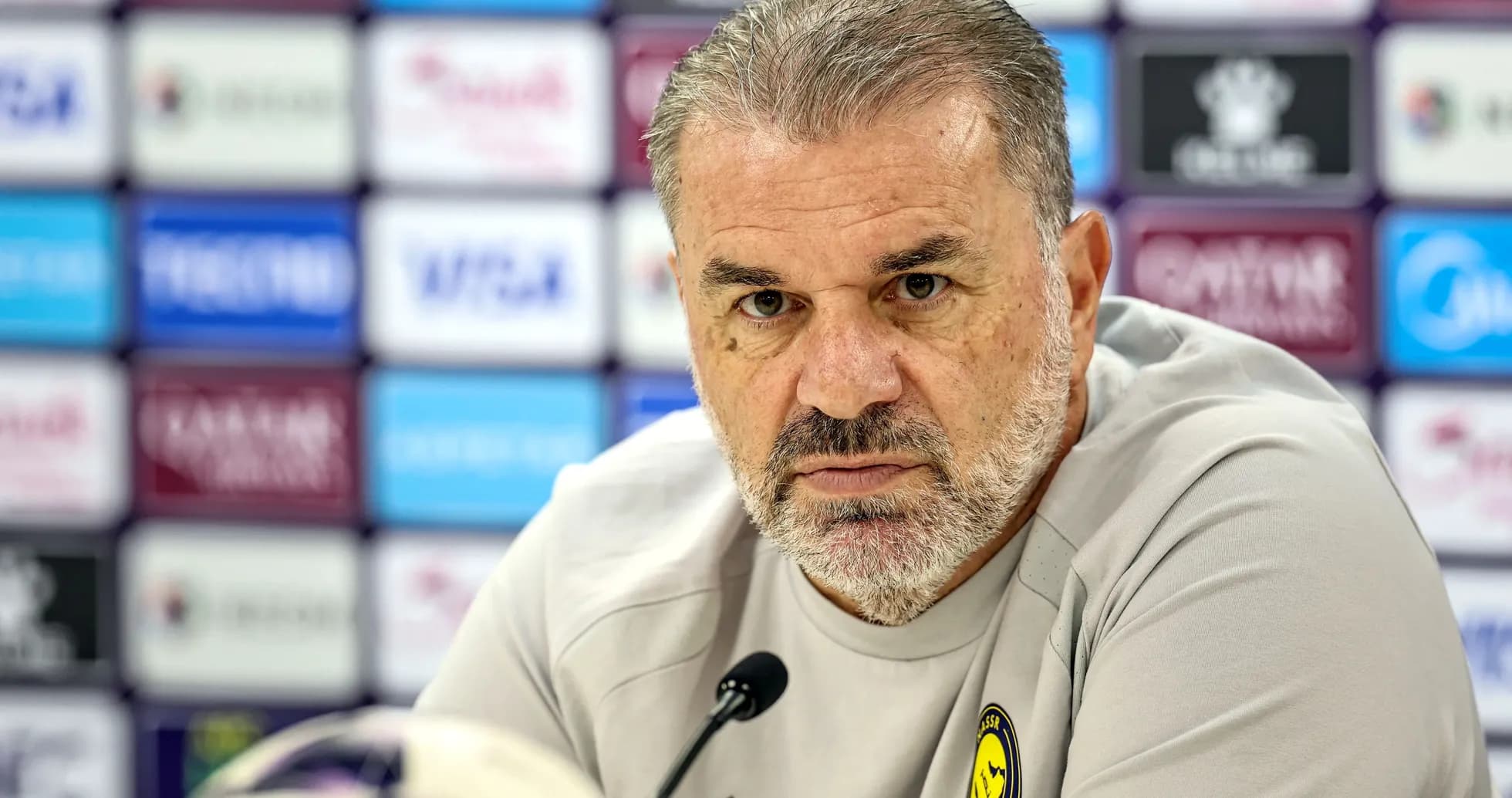
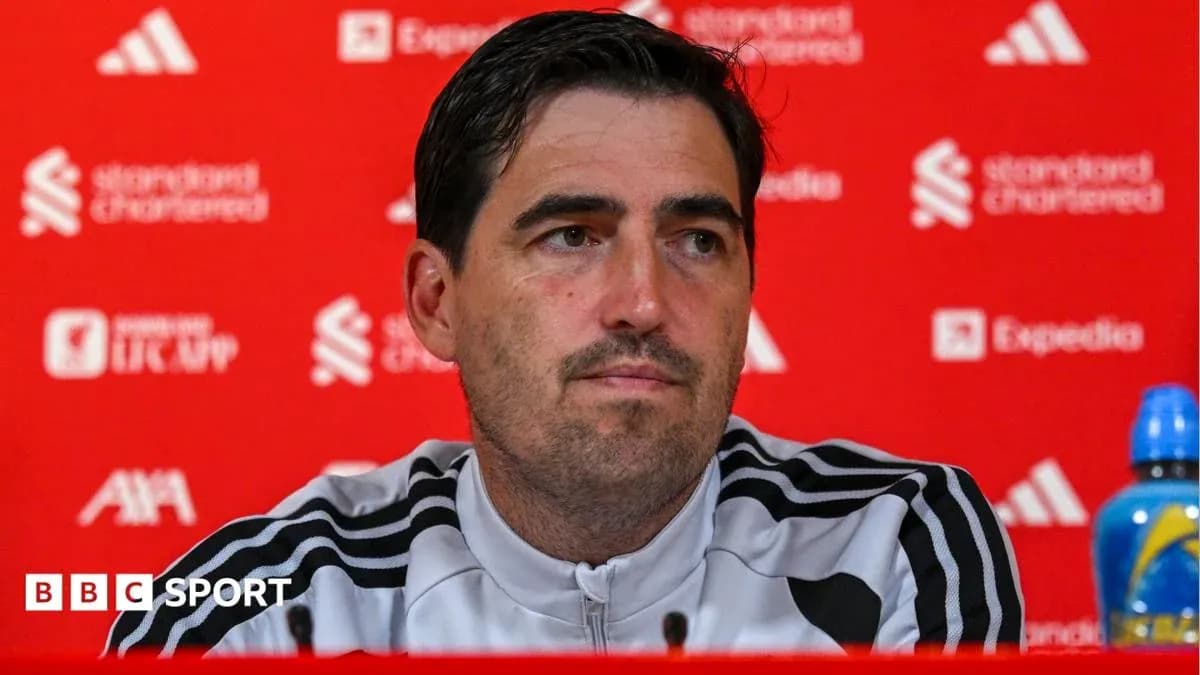
This is Andoni Iraola’s new reality. Not the fanfare of his unveiling, not the surge of a big European night, but the long, unforgiving slog of a season where Liverpool will live every three days. He knows it, and he has started saying it out loud.
“You can decide and put the same players in every game,” he admitted when asked about going full strength in the Carabao Cup. “The problem is there’ll be a moment when they’re really tired. And there is more risk of injury.”
Some players, he says, are “very robust”, able to churn through the schedule without their levels dipping. Others are not. The early weeks of his reign have turned into a live experiment: who can handle the load, and who breaks under it?
Rotation, Risk and Tottenham
That question looms over Tuesday night. In the early rounds of the EFL Cup, Premier League managers usually get a breather. A League One side at home. A Championship team away. A chance to throw in academy kids, fringe players, a goalkeeper who hasn’t seen a minute since pre-season.
Iraola didn’t get that luxury. He got Tottenham.
On paper, Spurs arrive with their own problems, a tough start and a manager under scrutiny. But they are still a Premier League side with enough quality to punish any complacency. Any experimental line-up on Tuesday carries real jeopardy.
There is a counter-argument, of course. Liverpool’s goalless draw with Fulham was flat, frustrating and oddly lifeless for a team that had just beaten a Diego Simeone side that reached last season’s Champions League semi-finals. A strong XI against Tottenham could be framed as a reset, a chance to reassert intensity and rhythm.
Yet the fixture list refuses to relax. At least seven more Champions League games. A Premier League campaign already nudging in awkward directions. A Carabao Cup tie that suddenly feels like a trap as much as an opportunity.
Iraola’s dilemma is simple to describe and far harder to solve: go strong to chase momentum, or rotate aggressively and trust that the squad – not just the stars – can carry Liverpool through.
A Heavy Afternoon at Anfield
Saturday underlined the stakes. Two league games at Anfield. Two draws. For just the third time in 63 years, Liverpool have failed to win either of their opening home league fixtures.
It is not a meltdown, not even close, but it is a jolt.
After the urgency and aggression of the win over Atletico, Fulham’s visit should have been a platform. Instead, Alvaro Arbeloa – back at his old ground and under pressure after three straight league defeats – walked away with his first Premier League point in charge, and could easily have taken all three.
Liverpool’s sloppiness invited trouble. Early on, a mix-up between Alisson and Ryan Gravenberch forced Jeremy Jacquet into a desperate goal-line clearance from Gonzalo Garcia. Fulham grew from that moment. Josh King tested Alisson. Antonee Robinson headed wide. The visitors looked the sharper side for long spells of the first half.
Iraola tried to juggle the load. Kostas Tsimikas, Gravenberch and Victor Munoz came into the XI, with Milos Kerkez, Alexis Mac Allister and Rio Ngumoha dropping out. None of the changes truly shifted the tone.
Munoz forced a strong save from Bernd Leno, Bradley Barcola saw a volley deflected behind by Timothy Castagne, but the sustained pressure that had suffocated Atletico never arrived. The tempo dropped, the passing lost its bite, and the game drifted.
By the break, Tsimikas had been hooked for Kerkez. On the hour, Gravenberch and Munoz made way for Mac Allister and Cody Gakpo as Iraola hunted a spark. Later, Ngumoha and Jeremie Frimpong came on in a double change. The pattern barely budged.
Alexander Isak’s numbers told their own story. The £364m attacking trio of Isak, Barcola and Florian Wirtz started a league game together for the first time, but they never really caught fire. Isak had just 16 touches in 90 minutes – the second fewest on record for an outfield Liverpool player – having set the lowest mark (14) against Nottingham Forest two weeks earlier. Wirtz, so bright in midweek, looked a shadow of that player. Barcola had flashes, nothing more.
Liverpool had chances, but not enough, and not with the conviction expected of a side with title ambitions. Leno saved comfortably from Isak and repelled a powerful strike from Dominik Szoboszlai. At the other end, Fulham carved out late opportunities for King and Kevin, and when Isak headed wide from a stoppage-time corner, Anfield’s groan said everything.
Six points from four games. Draws at home to Forest and Fulham, another at Newcastle, a solitary win at Ipswich. Unbeaten, yes. Impressive, no.
The Weight of History, the Demands of Now
All of this unfolds against the backdrop of a competition Liverpool know better than anyone. Ten League Cup trophies, more than any other club. Four in a row from 1981 to 1984. Steve McManaman’s brace in 1995. The Houllier-era triumphs in 2001 and 2003. Kenny Dalglish lifting it again in 2012 after a penalty shootout against Cardiff City.
The modern chapter is fresher in the memory. Jurgen Klopp’s Liverpool edged Chelsea in an extraordinary 11-10 shootout in 2022, then returned to beat them again in the 2024 final, delivering the club’s 10th League Cup.
This is a competition that has often mirrored Liverpool’s identity: relentless, opportunistic, unafraid to chase every trophy on offer. It has also been a proving ground, a place where managers learned about their squads and young players announced themselves.
Now it becomes Iraola’s laboratory.
He has already admitted he is still working out who can play every three days without fading, who needs protection, who can be trusted when the schedule tightens. Some players are discovering it about themselves at the same time. The Fulham game felt like the first hard lesson.
With Tottenham arriving at Anfield on Tuesday and the Champions League group stage only just beginning, the margin for error shrinks quickly. Liverpool must adapt, and fast, if they are to turn this season from an intriguing project into a genuine tilt at honours.
The club’s history in this competition asks one blunt question of Iraola: can he find enough “robust” players, and enough resilience, to carry Liverpool to League Cup number 11 without dropping the ball elsewhere?