Julie Tetart: A Trans Athlete's Journey in French Basketball
Julie Tetart is rewriting the story of her career, but not in the way social media wants it told.
The WNBA buzz is loud. Her focus is somewhere else entirely.
A viral season in Monaco
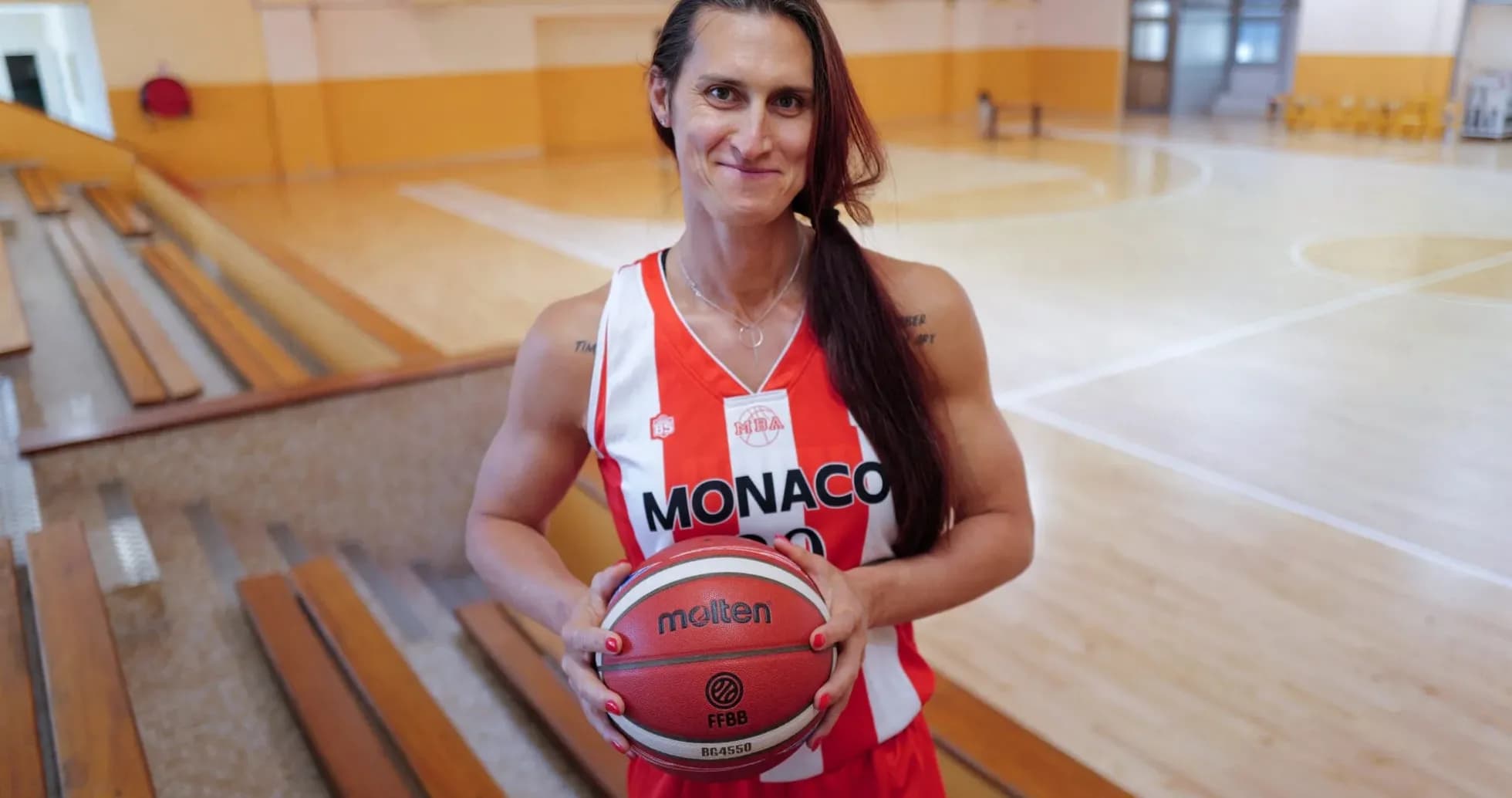
Three years after stepping away from basketball to transition from a man to a woman, Tetart returned to the court in 2024 and walked straight into history. She became Monaco’s first openly trans athlete and, almost overnight, one of the most talked-about players in French basketball.
The numbers did the shouting for her.
For Monaco Basket Association in France’s second division, Tetart is putting up video-game statistics: 21.2 points and 20.2 rebounds per game. Those figures rocketed around social media, turning a quiet comeback into a global talking point.
The reaction was instant. Clips, graphics, debates. And then the inevitable question: is the WNBA next?
WNBA talk meets reality
Rumors moved faster than facts. Claims surfaced online that Tetart had submitted paperwork for the WNBA Draft. None of that has been verified. No official confirmation, no announcement, no documentation. Just noise.
Tetart herself has been clear. Playing in the United States would be a dream. If a WNBA franchise called, she would listen. But she also understands the scale of the leap.
She is 34. The WNBA is stacked with elite, younger talent. The league has not publicly clarified its stance on her eligibility. No team has expressed concrete interest. Strip away the speculation and the odds of seeing her in a WNBA uniform remain extremely slim.
The conversation in America keeps swirling, yet in Monaco, her priorities are far more immediate.
Chasing promotion, not headlines
Tetart and her teammates are locked in a fight for the playoffs in France’s second tier. Every game matters. Every rebound, every possession.
That’s where her energy is going.
When asked in French media about a step up to the top division in France and even a possible call from the national team, her answer carried more humility than hype.
“It would already be huge for me,” she said of the prospect of playing in the elite division. She knows the competition. She knows the landscape. There are, as she put it, “many more young people, stronger than me.”
It is a rare thing in modern sport: a player going viral and yet consistently trying to drag the spotlight back to the team, the league, the work in front of her.
Between a dream and the unknown
The American dream still hangs there, distant but not denied. Tetart has never pretended otherwise. The idea of testing herself in the WNBA appeals to her, as it would to almost any player.
But the path is blocked on several fronts: age, level, lack of interest from franchises, and an unresolved gender policy at league level. Until those pieces move, the WNBA remains an idea, not a plan.
So the story, for now, stays in France.
A 34-year-old center dominating the boards, carrying Monaco’s playoff push, and quietly eyeing the chance to climb into the French elite and, just maybe, wear her country’s colors.
The internet can keep asking about the WNBA. Tetart’s answer is written in every rebound she hauls down in the second division: her next step is likely to be in France, not across the Atlantic.