Katie Taylor's Final Fight: A Historic Farewell at Croke Park
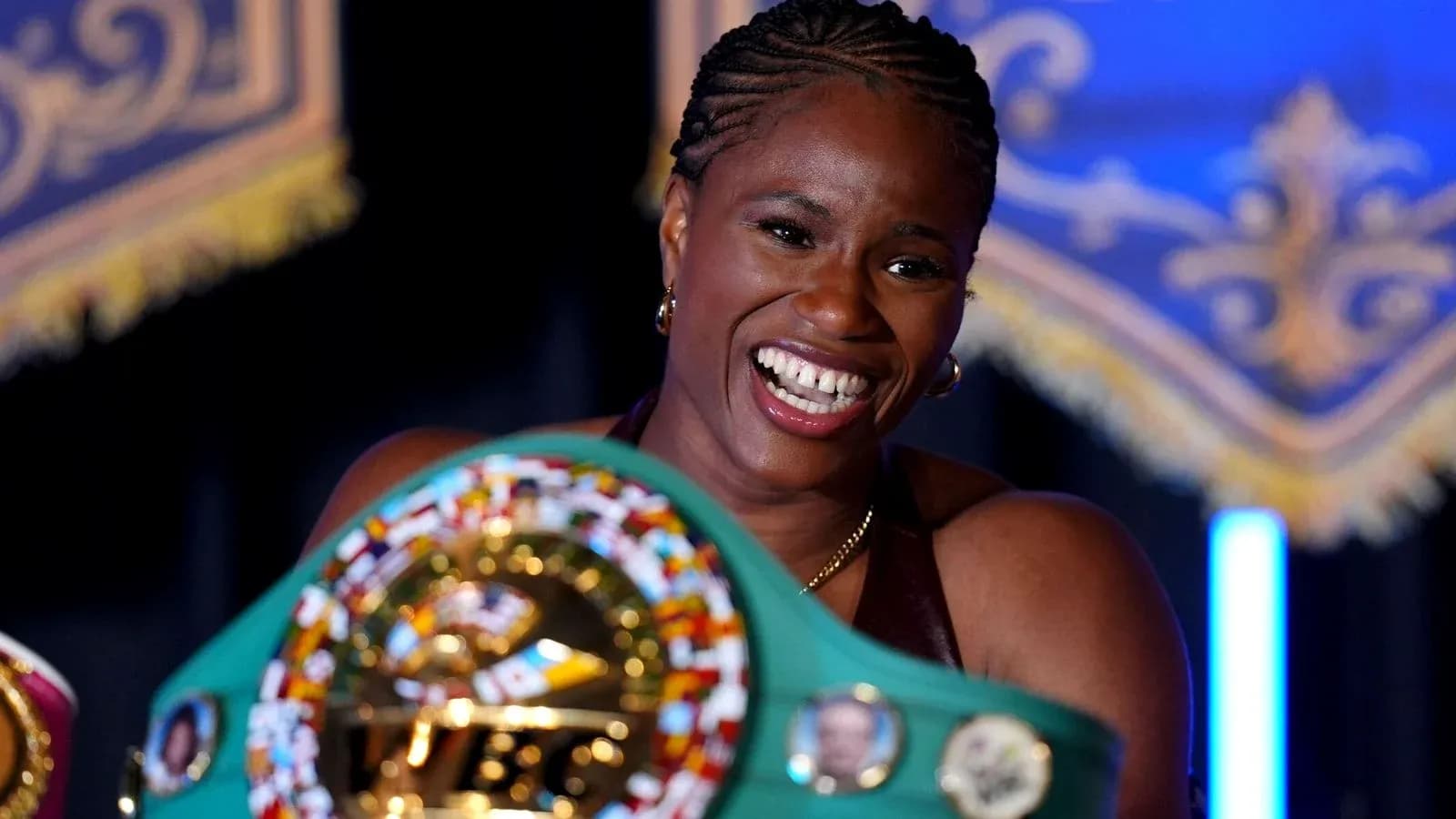
Katie Taylor smiles as she sits down, but the mask slips the moment you meet her eyes.
On Saturday night at Croke Park, she will walk to the ring one last time, to face unbeaten French challenger Flora Pili, and then close the book on one of the most important careers Irish sport has ever seen. From sneaking into boys’ bouts in a sport that wouldn’t let her in, to Olympic gold and undisputed world titles, the road has been long. You can see every mile of it in her face this week.
“I thought I was handling all the emotions until today,” the 40-year-old tells BBC Sport.
For once, the famously guarded Taylor cannot quite keep the walls up. This isn’t just another fight week. There is no talk of the next opponent, no distant date circled on a calendar. There is only Croke Park, 80,000 people, a blur of green, white and orange, and the final bell.
“This is the stuff of dreams and I’m pinching myself that it’s happening,” she says.
“I look back at my career and think how remarkable it has been. The highs, the lows, the failures, the disappointments and the successes.”
Taylor has always loathed the pantomime that surrounds big fights. She prefers the silence of the gym, the grind, the repetition. This time, she has been forced to live in the glare. Cameras. Questions. Nostalgia.
It has cracked her armour. She lingers that split-second longer in face-offs, absorbing the noise, the faces, the meaning of it all. She wells up under the lights. This is not the robotic champion who usually glides through fight week.
“Every fighter in the world wishes they were in this position,” she says.
“I’m just blown away from the support from this country. I don’t think there are many other countries where 80,000 show up for a female athlete.
“The crowd – hearing ‘ole ole ole’ one last time – feeling the atmosphere, seeing the tricolours all over the place…”
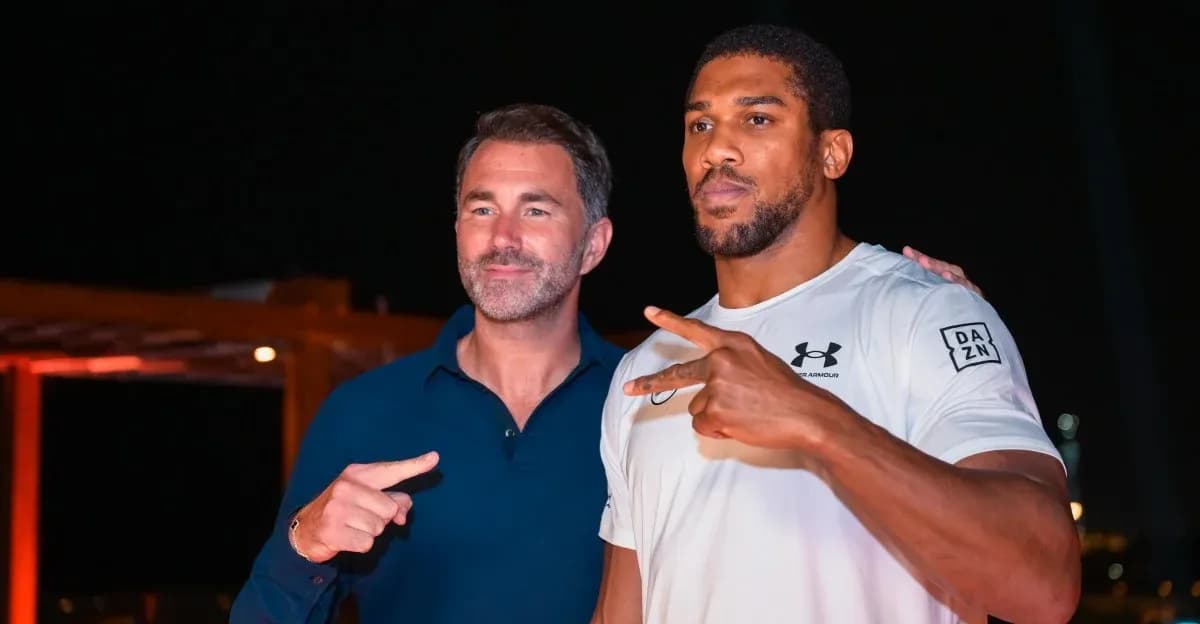
The emotion has spread through her inner circle. Eddie Hearn, the promoter who helped turn Taylor into a global headliner, found himself choking up mid-sentence during the final news conference when the reality hit: this is the last Katie Taylor fight week he will ever stage.
“When it’s all said and done you will look at your belts, you might look at your bank balance. But you will sit there, close your eyes and recall all those incredible moments in your life that made you cry,” he later told BBC Sport.
“I will cry on the ring walk. I will cry in the [post-fight] interview.”
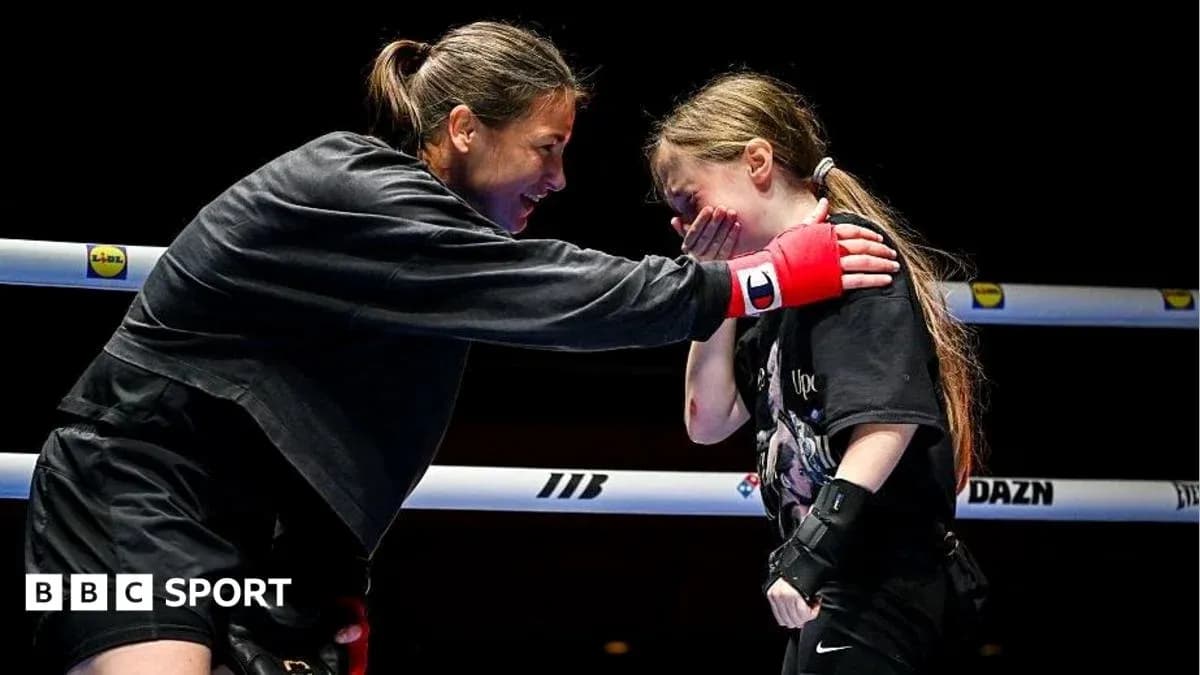
Taylor, usually clipped and clinical in public, has shown a different side in these final days. She has been relaxed, even mischievous. During her last round of media duties she joked about flipping the table just to break the monotony.
“Katie Taylor is one of the funniest people I’ve met. Unexpectedly funny. She’s so strong and determined. But people who know, she’s very jovial, she’s got great energy and I think she’s soaking all that up,” Hearn says.
Around her, the tributes have rolled in. Friends, coaches, team-mates, rivals – all lining up to call her Ireland’s greatest sportsperson. Manager Brian Peters even felt the need to publicly apologise to Roy Keane, assuring him he was a close second.
On the streets of Dublin, the scale of it all is obvious. Taxi drivers stuck in traffic, bar staff in Temple Bar, office workers and schoolkids – everyone is asking the same question: “Any spare tickets?”
Croke Park is a giant to fill. Even with Taylor’s popularity, selling it out is a monumental task. She has never chased celebrity. She is known as the fighter who ducks the spotlight, not punches. Yet for this farewell, she has rolled up her sleeves and gone to work.
Peters led an exhausting 1,500-mile bus tour across all 32 counties. Four days of radio studios, community centres, gyms, town squares. Dozens of stops, countless handshakes, photos, and stories.
“No-one works as hard as Katie,” Peters says. “Those four days she did not stop working. These stadiums don’t sell out on their own.”
The schedule was brutal. At one stop in Kilkenny, thousands pressed up against the gates, desperate for a glimpse. The easy option was to drive on. Taylor refused.
“Ah Brian, we can’t drive past them,” she insisted, according to Peters, and the bus pulled over so she could take group photos.
That decision, that instinct to connect, has helped turn Saturday into something far bigger than a boxing show. It feels like a national gathering. Around 80% of those inside Croke Park will be watching live boxing for the first time. Sixty-five percent of tickets have been sold outside Dublin. This is Ireland coming to say goodbye.
And for those who can’t make it, the fight will be shown free-to-air across the country. Westlife will perform. Croke Park will sing. Taylor will walk out to a sound she may never hear again.
Somewhere in the middle of all this, there is an opponent.
Flora Pili has slipped through the week like a shadow, quietly moving along corridors as the storm rages around Taylor. She is 29, unbeaten in 12 fights, and arrives in Dublin with a simple, dangerous mindset.
“I have nothing to lose and everything to win,” she says.
That is the threat in this story. The farewell tour only works if Taylor gets the ending she wants. She knows it. Her team knows it. The country knows it.
So the week has been structured with military precision. The interviews, the tributes, the tears – all front-loaded. Taylor has been given room to feel it early, to let it out, and then, in theory, to lock back in.
“I don’t think I can prepare for what happens on Saturday, but I’m going to try and keep emotions in check and try and enjoy the ringwalk. But the most important thing is to win,” she says.
And after? When the lights go off and the noise drains away?
“Probably a bit relieved – I don’t have to take any more punches again.”
At some point late on Saturday night, the final bell will ring and Katie Taylor will stand in the centre of Croke Park, one last time, in front of her people. The tears may come again. This time, there is no rematch, no next camp, no unfinished business.
When that bell sounds, it really is the end.