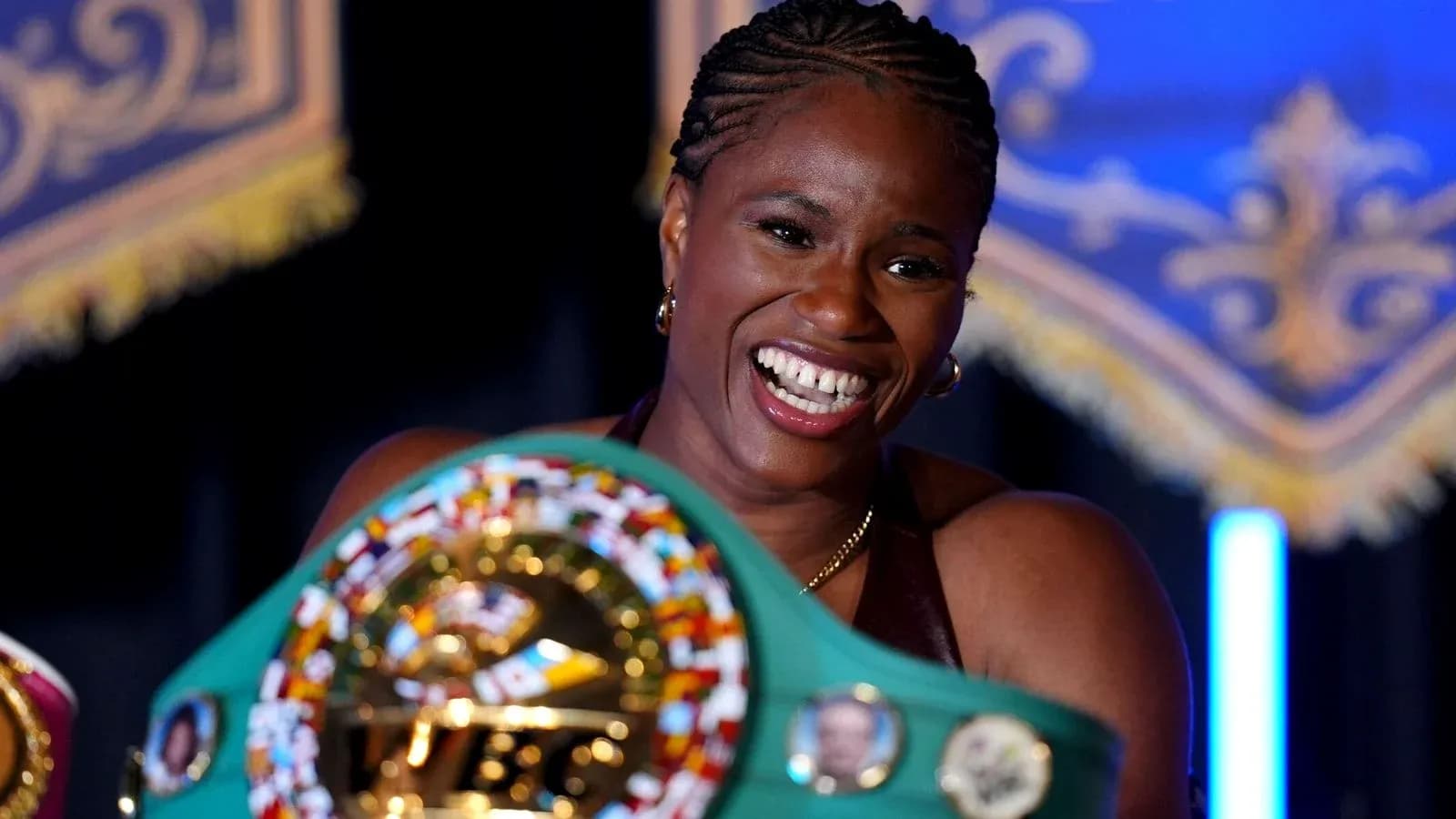
Katie Taylor's Final Fight at Croke Park: A Legacy in Women's Boxing
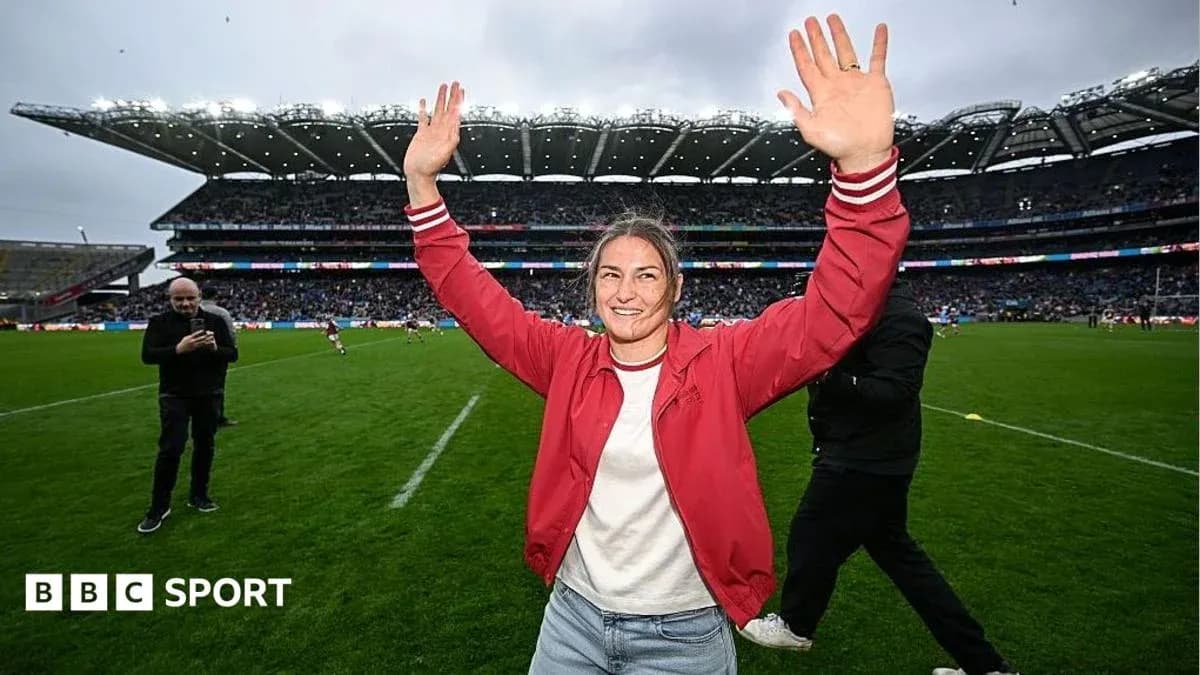
On Saturday night, under the lights of an 82,000-seat Croke Park, Katie Taylor will walk to the ring for the last time.
One more fight. One more roar from a Dublin crowd that has followed every step of a career that dragged women’s boxing from the margins to the mainstream. Beat France’s Flora Pili and she leaves as undisputed light-welterweight champion, the final line in a story that has already changed sport in Ireland – and far beyond – for good.
The letter from Bray
Long before Olympic gold, undisputed titles and sold-out arenas, there was a 10-year-old girl in Bray who simply wanted to fight.
There was no place for her. Women’s boxing wasn’t sanctioned in Ireland. It didn’t exist on the Olympic programme. The professional scene offered no obvious road, no blueprint, no safety net. For most, that would have been the end of it.
Taylor picked up a pen instead.
She wrote to Deirdre Gogarty, the Irish trailblazer who had left home for the United States and, in 1997, beaten Bonnie Canino in Louisiana to become WIBF featherweight world champion – Ireland’s first female professional world title holder.
"How did you do it when everyone tried to stop you?" the child asked.
Gogarty wrote back with a simple promise: if Taylor kept working, kept showing her skills, somebody would eventually have to let her box. Years later, Gogarty would admit she was stunned when she re-read the letter, especially the line: "maybe one day they'll let us box in the Olympics".
Without that exchange, Taylor might still have found her way. But in a country where the door was bolted shut, Gogarty’s reply cracked it open just enough for a young girl to see a future.
Forcing open the Olympic door
When the International Olympic Committee hesitated over women’s boxing, Taylor didn’t lobby with words. She laced up her gloves.
She was flown to Chicago for showcase bouts in front of sceptical officials, brought in as a living argument for the sport’s inclusion. She didn’t debate. She dismantled. Every performance stripped away another excuse, another prejudice.
Her manager Brian Peters puts it bluntly: "Katie won't say this, and I've been holding back from saying this, but single-handedly, Katie Taylor got women's boxing into the Olympics."
By London 2012, women’s boxing had finally arrived on the Games programme. Taylor walked into the ring as the face of the sport and walked out with lightweight gold, the defining medal of Ireland’s campaign and a watershed for women’s boxing.
Four years later in Rio, the story jolted. A split-decision defeat in the quarter-finals wrecked her title defence and slammed shut the door on a second Olympic gold. The result hurt more than most. Her aura, her momentum, her amateur reign – all shaken in one night.
"It was probably the worst year of my career," she would admit. "I needed a change. I needed a new mindset."
Had she stood on another Olympic podium, maybe the pull of the professional ranks would have faded. Instead, the sting of that loss forced a choice: rebuild for another cycle or step into a pro world that still didn’t quite know what to do with women fighters.
She chose reinvention.
A DM that changed everything
Turning professional was only the start. Doing it on her terms was the real fight.
Peters came first, not as a grand strategist but as a safeguard. "I only took her on not to see her end up with people who didn't know what they were doing," he says. In a business notorious for sharks, he wanted to make sure she didn’t get swallowed.
Then came the message that shifted the landscape.
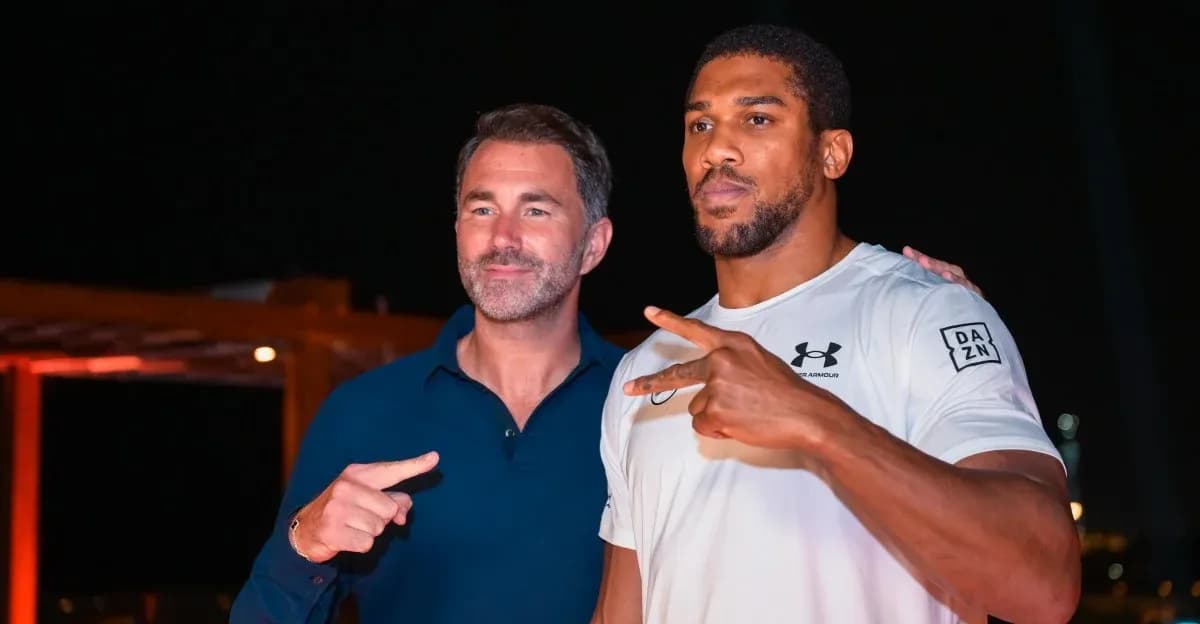
On 4 October 2016, Taylor opened Twitter – now X – and sent Eddie Hearn a direct message. No entourage, no long negotiation. Just a straight question: would he consider promoting her?
Hearn replied within 24 hours. He invited Taylor, Peters and her mother Bridget to a restaurant in London, even borrowing his father’s car to make the right impression. It was a small detail, but it spoke volumes. He knew she was worth the effort.
The meeting worked. A month later, Taylor made her professional debut at Wembley Arena under the Matchroom banner.
In a sport littered with broken alliances and bitter splits, the team that formed around her that autumn – Peters, Hearn, trainer Ross Enamait – never changed. No revolving door of coaches, no public fallouts.
"In a business full of egos, she's stayed loyal to everyone around her and remained the most humble person you could ever meet," Peters says.
If Hearn had ignored that DM, if Taylor had drifted into the wrong hands or lost faith in the people around her, the promotional machine that helped turn women’s boxing into a headline act might never have started.
Madison Square Garden, and a new ceiling
By April 2022, Taylor had cleaned out the lightweight division. She held every belt and had already survived a brutal majority-decision war with Delfine Persoon at Madison Square Garden in 2019, a night when her aura seemed to flicker but not quite fade.
Then came Amanda Serrano.
Seven-division world champion. A puncher with a global following. Together, Taylor and Serrano were handed a stage no women had ever owned before: top billing at the Garden.
The build-up was enormous. The risk just as big. If the fight disappointed, if one scorecard tipped the other way, the push for women’s mega-fights might have stalled.
Instead, the two produced a classic.
In front of 19,187 fans, they tore into each other in a bout that lived up to every line of hype. Taylor, bloodied and under siege at times, found enough in the championship rounds to edge a split-decision victory that many hailed as the fight of the year.
That night didn’t just secure her legacy; it raised the ceiling for everyone else.
The rivalry rolled on. Their 2024 rematch, staged on the undercard of Jake Paul v Mike Tyson, drew huge global viewing figures on Netflix. In 2025, Taylor returned to Madison Square Garden and closed the trilogy on her terms, winning again in the arena that had become her second home.
Each time, the stakes grew. Each time, she delivered.
Croke Park or nothing
And now, Croke Park.
This isn’t another sliding door. It’s the final destination.
After beating Serrano in last year’s trilogy decider, Taylor made up her mind. Quietly, away from the cameras, she told Peters she was done.
"She actually retired that night," he says. "She said, 'We convincingly beat Serrano - where do we go from there?' I said I'll agree on one condition."
That condition was simple: Croke Park or nothing.
"Croke Park – no disrespect to Wembley – is the greatest stadium in the world," Peters says. "You cut an Irish person and they'll bleed Croke Park."
So the deal was struck. One last walk, one last camp, one last night with an entire country at her back.
Peters is adamant there will be no late twist. No Cameron trilogy. No comeback tour. "When Katie gives her word, that is it," he says.
Whatever happens against Flora Pili, the verdict on Katie Taylor is already in. She did not just win titles; she changed the sport, kicked down doors that were bolted shut, and left a path for every girl who now walks into a boxing gym believing the Olympics, the Garden, and yes, Croke Park, are places she belongs.
The only question left is how the final chapter will sound when 82,000 voices rise to meet her.