Katie Taylor's Last Fight at Croke Park: A Legacy in the Making
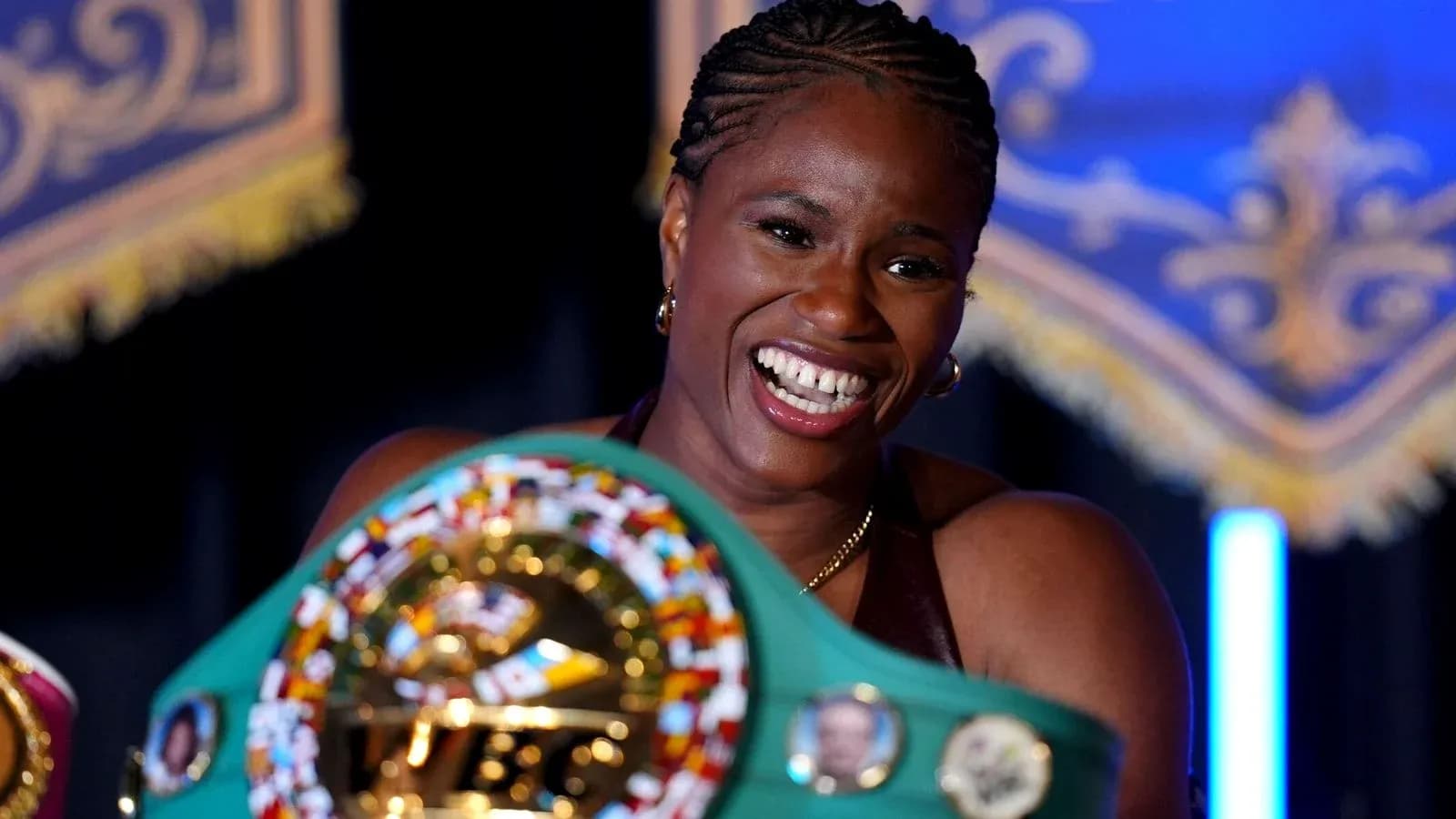
On the day Katie Taylor laces up her gloves for the final time, the noise around Croke Park started long before the first fan took their seat.
It began on phones. On timelines. On the Instagram feeds of some of the most recognisable names in music and sport, all pointing towards one woman from Bray stepping into an 80,000-strong cauldron in Dublin.
Tonight, in her 27th and last professional bout, Taylor faces 29-year-old French fighter Flora Pili. The stage is Croke Park. The soundtrack, fittingly, has been delivered by stars who have watched her redefine what an Irish fighter can be.
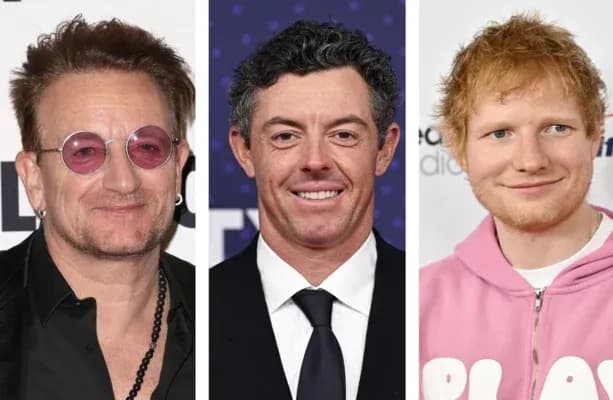
Bono, speaking for U2, framed it like a closing chapter in a decades-long saga. “An Irish woman like never before has for 28 years fought her way into the fight of her life,” he said, sending his blessing that she finishes “safe and sound. Sound as the bell that kicks off her last professional bout in Croker tonight.”
Then the line that cut through the sentiment and straight into the Irish psyche: “So proud of you, so proud to know you Katie.”
From the fairways to the fight game, Rory McIlroy weighed in with the perspective of another Irish superstar used to carrying a nation’s hopes. Fighting in front of a home crowd, he said, is going to be “absolutely incredible” and he urged her to “give everyone the show that you always do.”
He called her career “amazing”, her performances “so entertaining”, before landing on the message every fan shares: “Finish it off the right way.”
Ed Sheeran, one of the biggest music acts on the planet, kept it simple. He hopes she has an “amazing fight”, hopes she wins, and apologised for not being there. Distance hasn’t dulled the pull of this night.
Niall Horan struck a similar note. “Absolutely gutted” not to be in Dublin, he spoke instead of the view from afar: the privilege of watching Taylor “inspire a whole nation”. It’s a phrase often thrown around in sport. In her case, it has receipts.
Hozier, another Irish artist who has conquered global stages, talked about the arc of her career with the kind of admiration usually reserved for legends long retired. He said he has watched, “along with everybody else, with such admiration” as her journey has gone from strength to strength.
“You represent yourself, you represent your sport, your discipline and this whole country brilliantly, and you do it with such grace,” he added. “I have such admiration and such respect for you.”
Ronan Keating didn’t dance around the point. For him, Taylor’s place is already secured. “You will go down in the history books. You are one of the greats,” he said, nailing the sentiment many in Irish sport have long held.
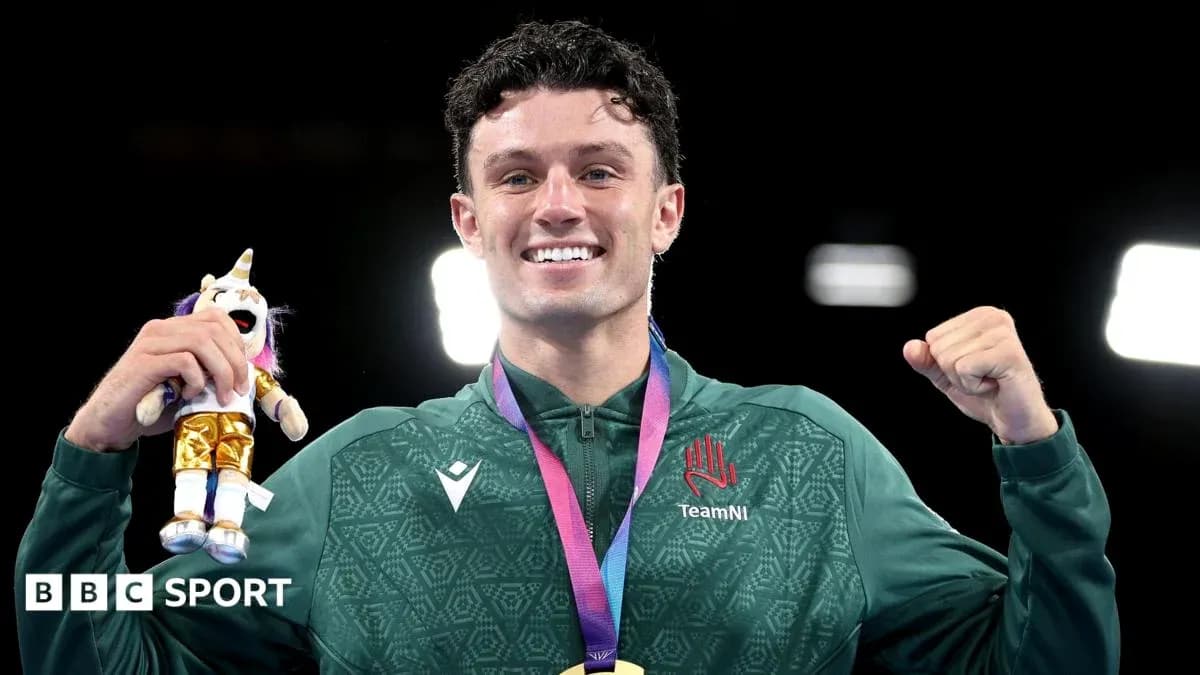
The impact runs deeper than belts and banners. Olympian Rhasidat Adeleke, a rising star in Irish athletics, thanked Taylor for “showing her what is possible”. Then came the line that tells you exactly why tonight matters beyond the ropes: “If you can’t see it, you can’t believe it, and you allowed me to believe it.”
The roll call didn’t stop there. Former Ireland rugby captain Brian O’Driscoll, along with actors Andrew Scott and Jamie Dornan, added their voices to a swelling chorus of support, each message folding into the same story: an athlete who has carried Irish sport into new territory and done it with a rare mix of ferocity and humility.
By the time Taylor walks out at Croke Park to face Pili, the result will still be unknown. The verdict on her career will not. The celebrities, the athletes, the artists – they are only echoing what 80,000 people in Dublin, and many more beyond it, already feel.
Tonight is about the last bell. The legacy is already written.