Katie Taylor's Last Walk: A Historic Farewell at Croke Park
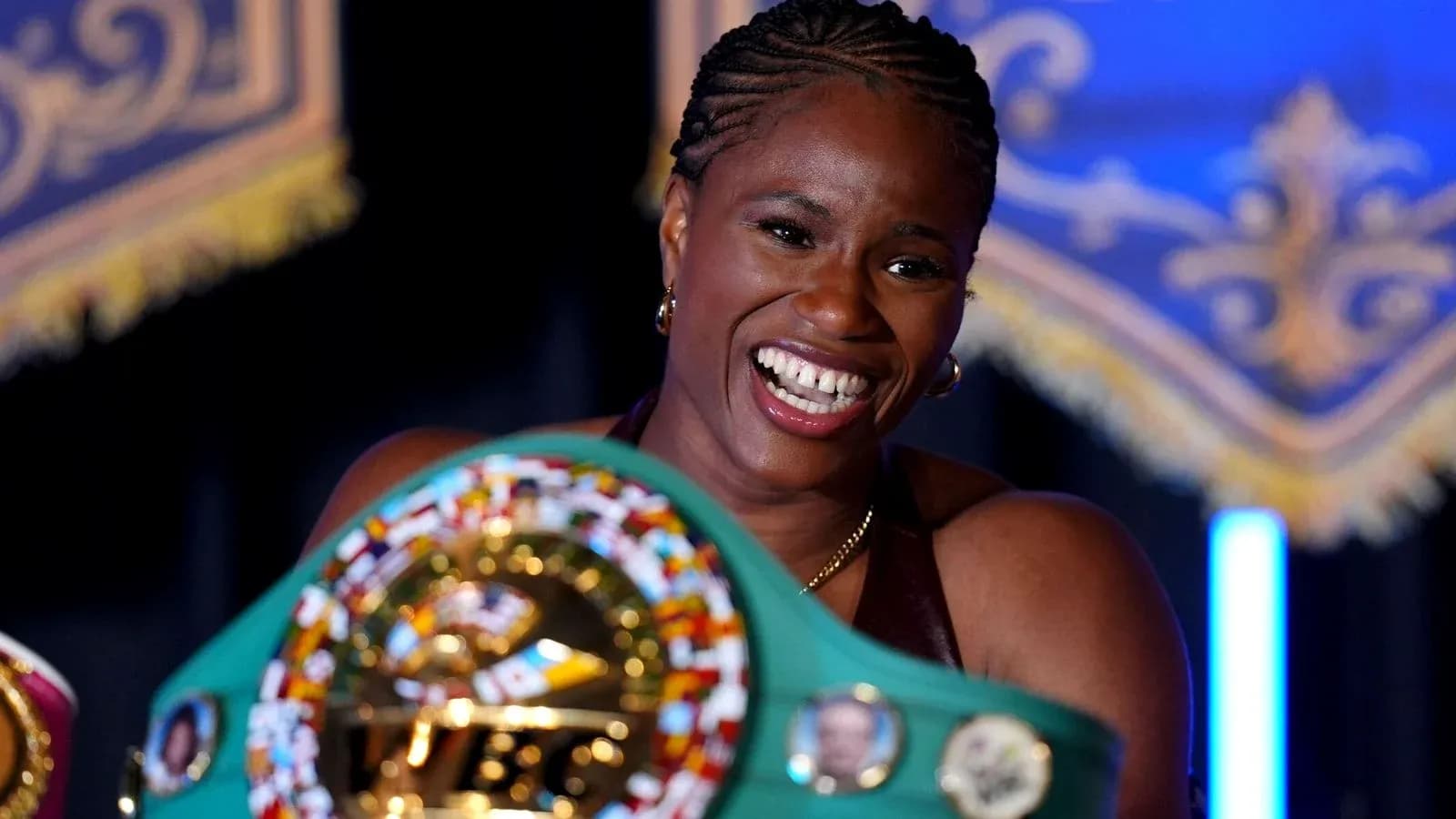
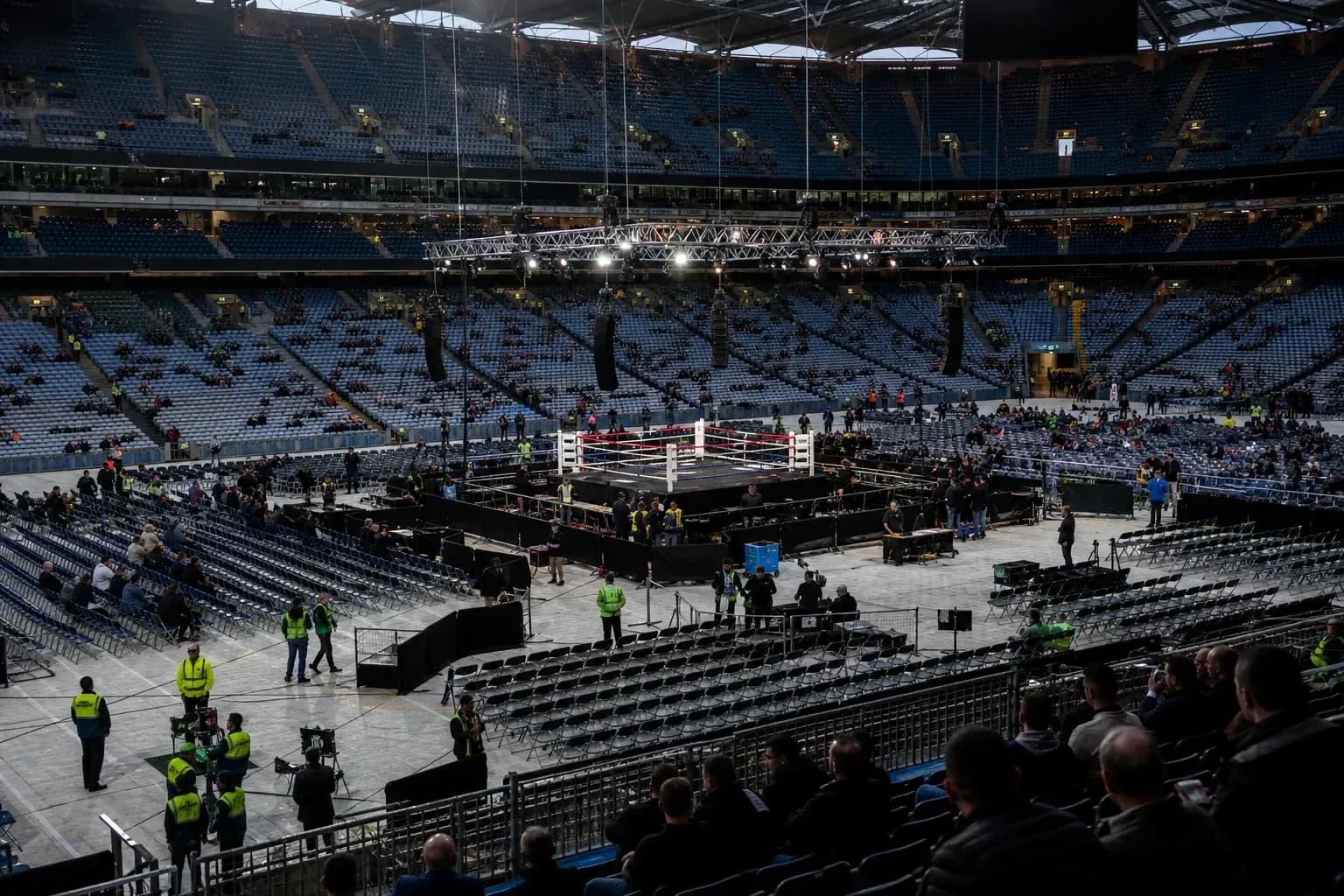
On Saturday night in Dublin, Katie Taylor will walk out for the final time, not just into a boxing ring, but into Irish sporting history. Croke Park, a cathedral usually reserved for Gaelic games, will hold 80,000 people and one career’s last chapter.
Forty years old, an Olympic champion, a multi-division world title holder, and the defining figure of women’s boxing in Ireland, Taylor will defend her light welterweight belts in front of a crowd that sold out the stadium in a blur. According to The Guardian, every ticket vanished within 17 minutes of going on sale in June. Demand didn’t build. It exploded.
RTÉ will broadcast the entire event free-to-air, turning it from a boxing show into a national occasion. The card carries more than fights: musical performances, including Irish pop mainstays Westlife, will give the night the feel of a festival wrapped around a farewell. It is part celebration, part goodbye.
A Stadium That Remembers
Croke Park is not a regular stop on boxing’s circuit. The last time a professional fight was staged there was 1972, when Muhammad Ali met Alvin Lewis. More than half a century later, the stadium opens its doors again, this time for a woman who had to pretend to be a boy just to get through the ropes as a teenager.
Taylor’s brother-in-law, Trevor McMahon, founder of Liberty Boxing Gym, captured the mood bluntly: this is the end of an era. Those close to her know that the night will be special. They also know it will hurt. Careers like this do not get replaced; they leave a gap.
Bray Dresses for Its Hero
Down the coast in Bray, County Wicklow, the build-up has spilled onto the streets. Shops are stacked with hats, flags and posters bearing her image. Windows and lampposts turn into makeshift shrines. The town that watched her grow up is now dressing itself for one last fight night.
Local resident Catherine Hill spoke for a generation when she said Taylor had become an example for young girls looking toward boxing or any other sport. For them, Taylor is not just a champion; she is proof that a closed door can be forced open.
From “K Taylor” to Global Headliner
Her story started in a modest gym with a fitting name: Tin Can. Back then, girls and women were banned from entering the ring in Ireland and the United Kingdom. The rule was blunt. Taylor’s response was even sharper.
She registered for fights as “K Taylor,” passing herself off as a boy to get bouts. It was a simple trick, but behind it sat a stubborn refusal to accept the limits laid out for her. Alongside her father, Pete, she pushed against those limits in a more formal way too, helping drive the campaign that led to the lifting of the ban on women’s boxing in Ireland in 2001, when she was just 15.
Once the door opened, she sprinted through it. A gold medal at the London 2012 Olympics turned her into a global figure. She then carried women’s boxing onto some of the sport’s most iconic stages, headlining at Madison Square Garden and sharing a trilogy of brutal, high-level bouts with Amanda Serrano that reset expectations for what women’s fights could command in terms of attention, money and respect.
One Last Test
For her final act, there is no soft landing. Across the ring will stand Flora Pili, a 29-year-old French fighter with a perfect professional record: 12 fights, 12 wins, and the IBO light welterweight title around her waist. She arrives not as a name on a poster, but as a genuine threat to spoil the script.
An undefeated champion in her own right, Pili represents the generation that came through the door Taylor helped to open. Their meeting in Dublin is not just a title defence; it is a handover between eras, played out under the glare of Croke Park’s floodlights.
When the bell rings on Saturday, the noise inside that old stadium will be for punches thrown and rounds won. But beneath it will sit something deeper: a country saying thank you to the fighter who changed what was possible, and a sport wondering who, if anyone, can carry the weight she leaves behind.