
Katie Taylor Retires as Undisputed Champion After Memorable Farewell
Katie Taylor walked away from boxing exactly as she always wanted to be seen in it – on top, unbowed, and undisputed.
Under the lights of Croke Park, in front of 80,000 people who roared her name as if trying to hold on to her for one last night, the 40-year-old outclassed unbeaten French challenger Flora Pili to close the book on an extraordinary career. The scores – 110-90, 110-90 and 98-91 – told the story clearly enough. Taylor still had levels to spare.
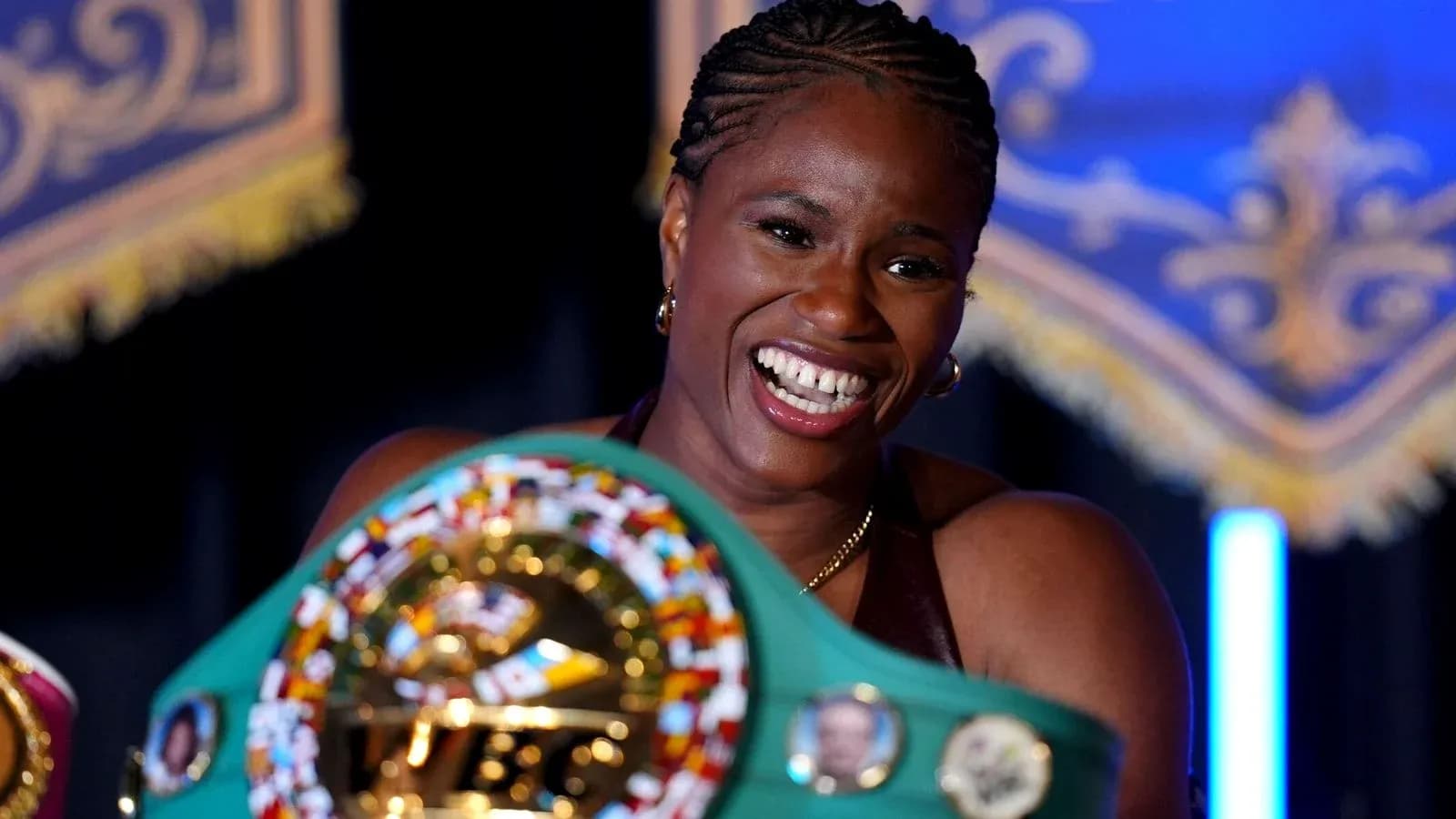
This was not some gentle farewell exhibition. She hunted the vacant WBC light-welterweight belt with the same sharp feet, darting combinations and suffocating pressure that carried her from Irish amateur rings to the summit of the professional game. By the final bell, she had added that green belt to her WBA, WBO and IBF titles and left the 140lb division unified in her name.
Three-time undisputed world champion. Two-weight world champion. Olympic champion. And now, retired on her own terms.
But the numbers, for once, felt secondary. This was about the setting, the sound, the sense of a country saying goodbye.
A stadium turns into a shrine
Croke Park did not host a boxing crowd so much as a national gathering. Around 80 per cent of those inside had never been to a fight before. They came for Katie. Many had followed her since those grainy amateur broadcasts and Olympic mornings, watching her drag women’s boxing – and women’s sport more broadly – from the margins into the centre of the conversation.
By early evening, the stands were drenched in green and white. Tricolours hung from shoulders and railings, wrapped around families who had turned the night into an occasion. It was the sixth-largest post-war attendance ever recorded for a boxing event anywhere in the world, and yet it felt intimate, personal, almost protective.
Westlife turned the arena from stadium to concert hall. “World of Our Own” rang out first, a fitting nod to a fighter who built exactly that over almost a quarter of a century in the sport. “You Raise Me Up” followed, tens of thousands of phone lights shimmering around the towering tiers as if the crowd were trying to frame the ring in starlight.
Then the mood shifted. An a cappella “Grace” floated around Croke Park, the old ballad tied so closely to Irish history and sacrifice, before the national anthem surged through the stands. It sounded less like a pre-fight formality and more like a declaration: this is who we are, and this is who we’re here for.
The final walk
If there was any doubt where the night’s loyalties lay, it vanished when Pili began her ring walk. Chants of “Ole, Ole, Ole” swallowed her music before it could properly land. The Frenchwoman stepped into a wall of noise that had nothing to do with her.
Then came Taylor.
She emerged to “All Hail King Jesus”, a pointed nod to the faith she has never hidden from public view. Arms outstretched, she sang along, trying to drink in every second of the last walk she would ever make as an active fighter. Fireworks cracked into the Dublin sky. Emotion flickered across her face, but behind it sat the familiar, steely focus that has defined her career.
All week she had played the professional, insisting there was still a job to do, still a belt to win, still an opponent to solve. She has sold out Madison Square Garden, fought on the sport’s grandest stages, and carried the pressure of a nation more than once. Yet even for her, it was hard to imagine that this reception did not land somewhere deep.
When the bell rang, sentiment stepped aside. Taylor boxed like a champion determined not to let nostalgia soften her edges. She pressed Pili, turned her, beat her to the punch and to the angle, round after round. The challenger was unbeaten, ambitious, game – but out of her depth.
The judges confirmed what everyone in Croke Park already knew. Taylor had done it again. One last dominant win, one last belt, one last roar.
She leaves with 26 wins, a single defeat, and a legacy that stretches far beyond the record. She changed what was possible, what was visible, and who got to be centre stage.
On this night, in this stadium, with this crowd, Ireland answered back with something just as permanent: its gratitude.