Katie Taylor Retires as Undisputed Champion in Croke Park
Katie Taylor walked away from boxing on her own terms, in her own city, in the stadium she had dreamed about since childhood – and with every major belt in her possession again.
On a cool Dublin night at Croke Park, under the lights and in front of more than 80,000 fans, the 40-year-old dominated Flora Pili to reclaim the undisputed super-lightweight crown and close the book on one of the most significant careers the sport has ever seen.
The scorecards told the story: 100-90, 100-90 and 98-91. One-sided. Unforgiving. Clinical. Pili, 29, unbeaten until she walked into this cauldron, was simply outclassed.
A farewell with all the belts
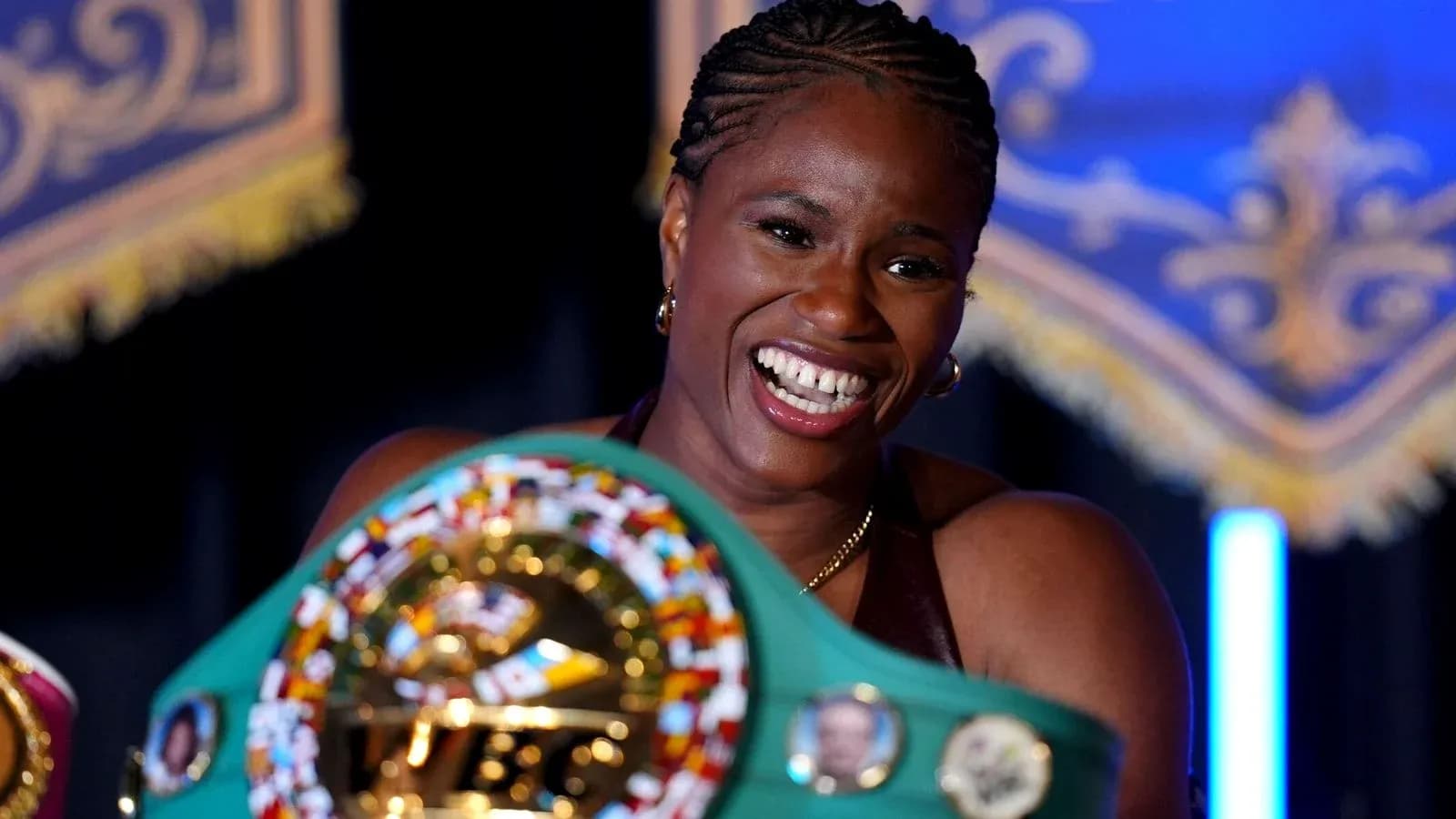
This was not a farewell exhibition. Taylor arrived with the IBF, WBA and WBO super-lightweight titles already around her waist and left with the vacant WBC belt as well, plus the IBO strap taken from her French opponent. Undisputed again at 140lbs. A three-time undisputed champion across two divisions. A resume that now sits comfortably in any conversation about the greatest fighters of all time, male or female.
She had announced long before the opening bell that this would be her last fight. Retirement, in boxing, is often a flexible concept. Taylor made it feel final.
From the first round she looked light, sharp, almost defiantly fresh. The footwork that carried her through Olympic halls and packed arenas still had a bounce. Her hands still snapped out in those familiar, rapid combinations that have broken opponents’ rhythm for more than a decade.
Pili tried to disrupt that rhythm late on. She rallied in the later rounds, pressing forward, letting her hands go in brief bursts that hinted at danger. The crowd stirred. Taylor simply reset, tightened her defence, and went back to touching Pili with clean, accurate shots. Control restored. Threat extinguished.
From pretending to be a boy to owning Croke Park
The journey to this night stretches far beyond titles and scorecards. Taylor once had to pretend to be a boy just to be allowed to box. Women’s boxing did not exist on the Olympic programme when she started. She helped change that.
She became one of the driving forces behind the inclusion of women’s boxing at the Games, then turned that breakthrough into personal glory with Olympic gold at London 2012. That medal made her a national hero. It also opened the door for a generation of fighters who now walk into gyms without disguise or apology.
The heartbreak of Rio 2016 followed, then the bold decision to turn professional. She cleaned out the lightweight division, becoming undisputed champion at 135lbs. When defeat finally came – a points loss to Chantelle Cameron at super-lightweight – it felt like a crack in the armour.
Taylor answered it the way great champions do: she avenged the only loss of her career, took the super-lightweight belts, and now, on this final night, became undisputed again at 140lbs.
The stadium she always wanted
Croke Park has always been more than just a venue in Taylor’s imagination. It was the dream. The place she wanted to headline, the stage that would complete the story.
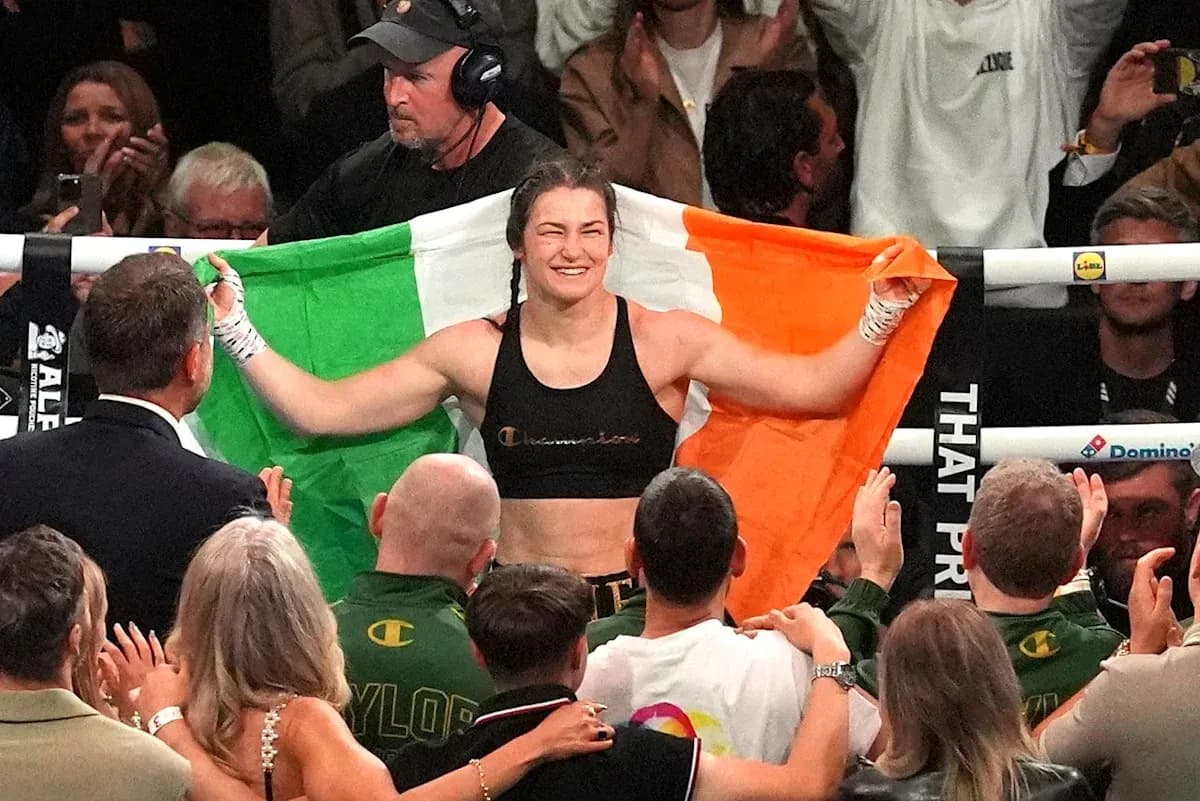
After the final bell, with the decision confirmed and the belts secured, she stood in the middle of the pitch and addressed the crowd. She reminded them how long they had been with her – before London 2012, through the pain of Rio, through the early professional nights in Manchester, Boston, Brooklyn, Manhattan. Now, finally, here.
She pointed to the stands, to the sea of Irish flags and camera lights, and made a simple, pointed observation: no other country, she said, would sell out 80,000 tickets for a female athlete. Only Ireland.
It was not boastful. It was a statement of fact, delivered by the person who had just proved it.
Around her, the noise barely dipped. This was not a crowd drifting towards the exits once the result was clear. They stayed. They sang. They watched as she thanked her family and her team, the people who had carried her through the lonely, brutal parts of the sport that never make the highlight reels.
Then came the final act. Taylor removed her gloves and left them in the ring, a small, simple gesture loaded with meaning in boxing’s language. No speeches about legacy. No drawn-out farewell tour. Just the gloves, the belts, the stadium, and the roar.
Katie Taylor did not just leave as an undisputed champion. She left as the fighter who bent the sport to make room for herself – and, in doing so, changed what was possible for everyone who followed.