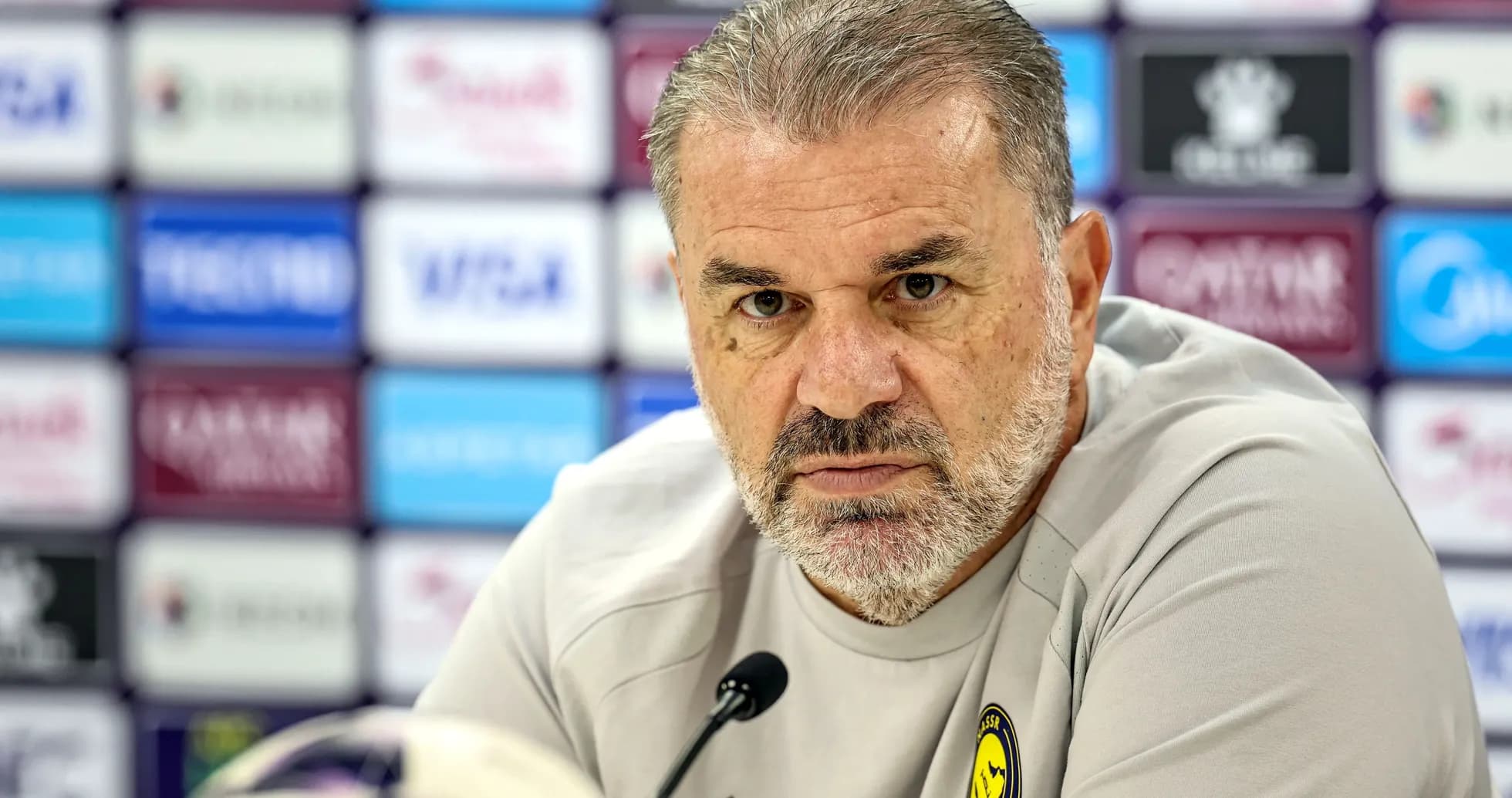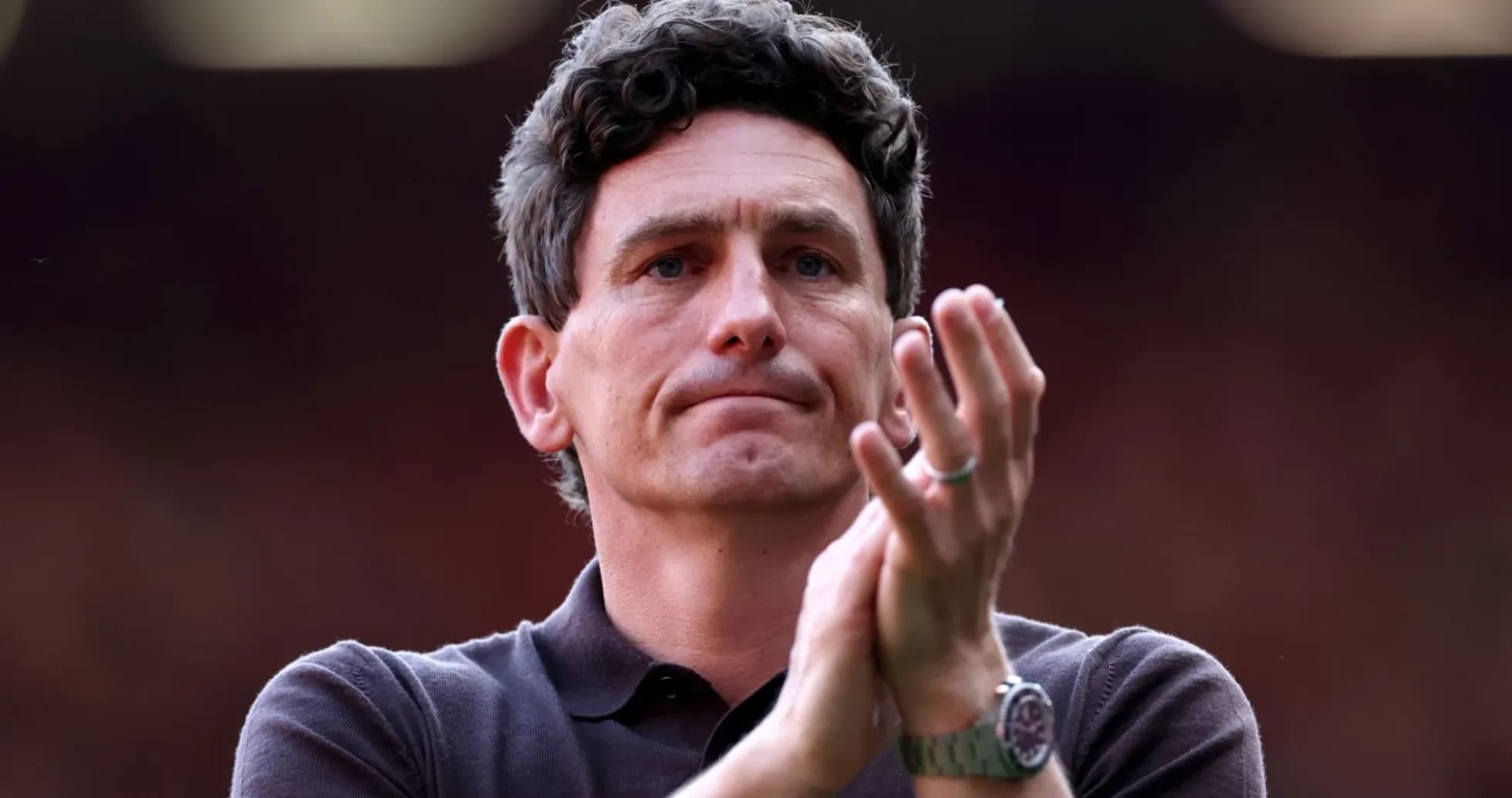
Keith Andrews: From Set-Piece Coach to Brentford's Head Coach
Keith Andrews was never supposed to be the headline act.
As a player, he was the dependable presence in the middle of the park for Blackburn and West Brom, a 35-cap Republic of Ireland international who did his work without fuss. As a coach, he started in the shadows too, learning his trade alongside Karl Robinson at MK Dons, then stepping into the international arena with Stephen Kenny at U21 and senior level. Chris Wilder brought him into the cut-throat world of the English game at Sheffield United. Brentford initially hired him just to sharpen their set-pieces in 2023.
That was meant to be the role. Specialist. Quiet operator. Marginal gains.
Instead, two years later, he’s the man carrying a club’s ambitions on his shoulders.
From set-piece coach to surprise No.1
When Thomas Frank’s move to Tottenham was confirmed in the summer of 2025, Brentford were expected to look outward for a replacement. A proven name. A manager with European credentials. Someone to soothe the nerves of a fanbase braced for turbulence.
They went upstairs instead.
Promoting Andrews from set-piece coach to head coach raised eyebrows across the division. A rookie Premier League manager. No previous top-flight job. No big-club badge on his CV. The appointment looked like a gamble from a club that had already lost its long-term architect.
It has proved anything but.
Andrews didn’t just steady the ship; he changed the conversation. Relegation talk, which had swirled the moment Frank walked out the door, disappeared quickly under a run of results that pushed Brentford into the top half. They finished ninth, flirting with European qualification until the final stretch of the season, only to fall agonisingly short.
For a club tipped by many to slide backwards, ninth felt like a statement.
Building a squad that can bite
The foundations of that surge sit in a squad that now looks deeper and more dangerous than at any point in Brentford’s Premier League stay. Former Bees striker Clinton Morrison, speaking to GOAL, did not bother to dress up his admiration.
“Amazing, amazing, amazing,” he said, when asked about Andrews’ impact.
Morrison sees what those inside the club have watched develop: a group with genuine competition in every area and the quality to push the established order.
“He's got two players in every position,” Morrison pointed out. That is no exaggeration. The transfer work under Andrews has been targeted and bold.
Mamadou Sangare, the midfielder Morrison singled out, is a prime example. Brentford beat off heavyweight interest to land him. “He could have easily gone to any of the top four teams,” Morrison said. “I think he's a special talent. He went to Brentford. He likes their project and they’ve got a good signing.”
That word matters: project. Brentford have long sold players on the idea of progression and opportunity, but Andrews is giving that concept a sharper edge. The squad now bristles with internal battles that keep standards high.
Callum Wilson’s arrival brings hardened Premier League experience and instantly turns up the heat on Thiago in the centre-forward role. Out wide, Jaidon Anthony, recruited from Burnley and quick out of the blocks this season, is pushing Dango Ouattara and Kevin Schade for minutes. No one can coast.
Then there is El Hadji Malick Diouf, a £40 million signing from West Ham. That kind of fee would guarantee a starting berth at many clubs. Under Andrews, it doesn’t. Diouf “can't get a game at the moment,” Morrison noted, a stark illustration of how unforgiving selection has become.
Keane Lewis-Potter, meanwhile, has flourished. Once a promising piece of the puzzle, he now looks like a central pillar. “Outstanding,” in Morrison’s words, and emblematic of a side that has grown under a coach who refuses to lean on excuses about departures or transition.
Defying the doubters
The context makes this rise even more striking. Last season, Brentford lost key players and their long-serving manager. The consensus outside the club was brutal: this could be the year the model cracks, the year the overachievers get dragged into the fight at the bottom.
Morrison hasn’t forgotten that narrative.
“Considering last season, the players that they lost and losing Thomas Frank, everyone thought Brentford might get relegated,” he said. Instead, they climbed. They competed. They very nearly gatecrashed Europe.
Andrews did not just survive his first year in the job; he imposed himself on it.
This campaign, Brentford have come out with the same intent. “They started ever so well,” Morrison said. The optimism around the club is no longer fragile or forced. It feels earned.
He believes the ceiling has not yet been reached. “I think Brentford have a chance of, even this season, getting them outside spots of Europe. They missed out last season. And they could win a cup.” That is not the language of a club just happy to be here. It is the language of a side that expects to test the line between mid-table comfort and genuine European contention.
A long contract, and a ticking clock
Brentford have moved to protect their asset. Andrews is on a long-term deal through to 2032, a huge vote of confidence in a man who only recently stepped into frontline management.
But contracts in the Premier League are often just starting points for negotiations with the next suitor.
“If he carries on going like that,” Morrison warned, “there'll be a lot of other clubs higher up sniffing around him, for sure.”
That is the reality Brentford now face. The coach who arrived as a set-piece specialist has become one of the most intriguing managerial prospects in the division. The club that took a risk from within now has to live with the possibility that its own success will invite predators.
For the moment, though, Andrews is locked in. The players are responding. The results back him. A ninth-place finish has shifted expectations, and the target is clear: stay in the European conversation, and turn near-misses into something more tangible.
Brentford chose to believe in the coach already in their building. If Andrews keeps this trajectory, the real question is how long they can keep him in it.