Lakers' Roster Overhaul: Is Collin Sexton the Right Fit?
The Los Angeles Lakers didn’t just turn the page this summer. They tore it out, crumpled it and started a new book.
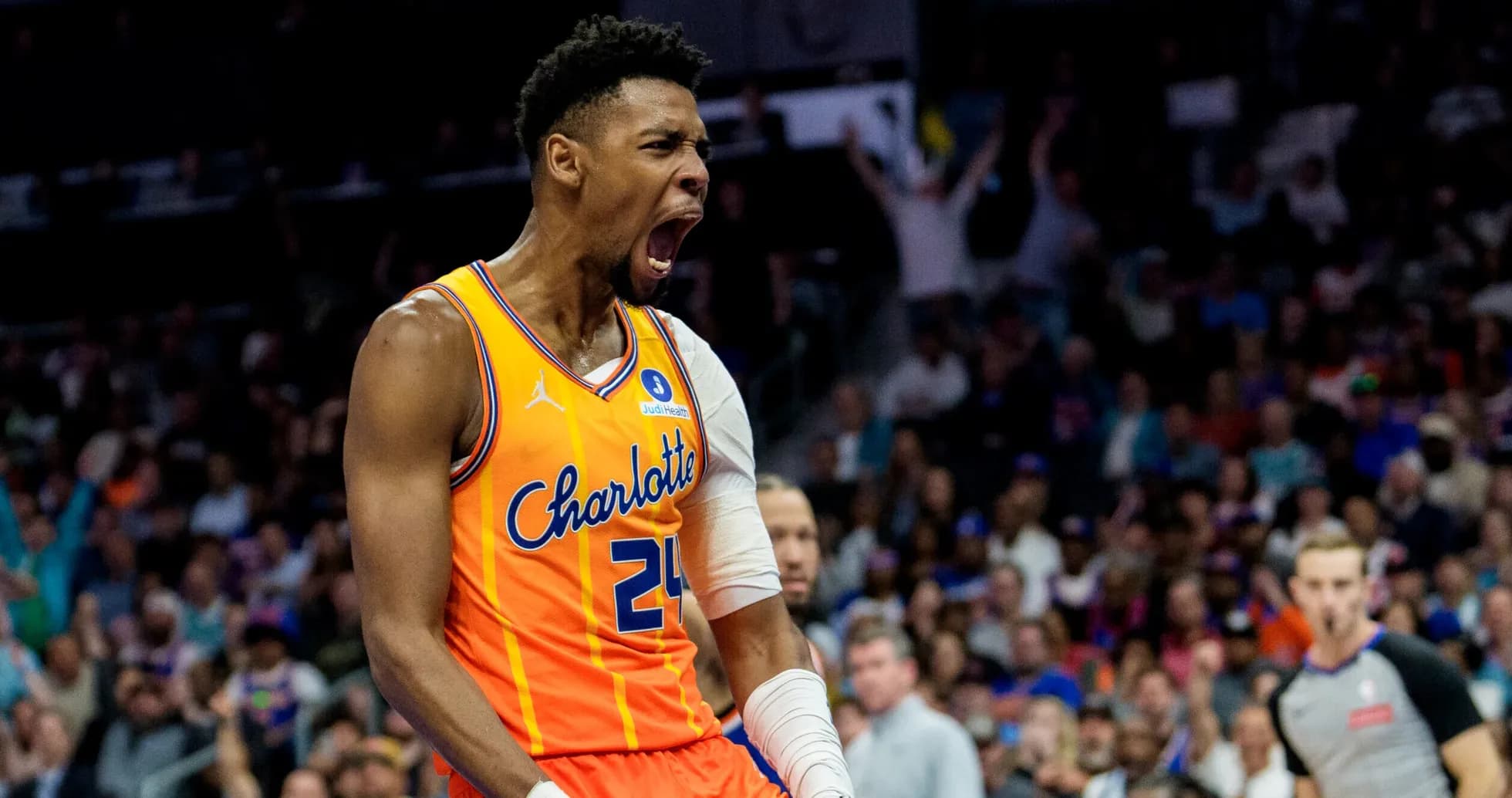
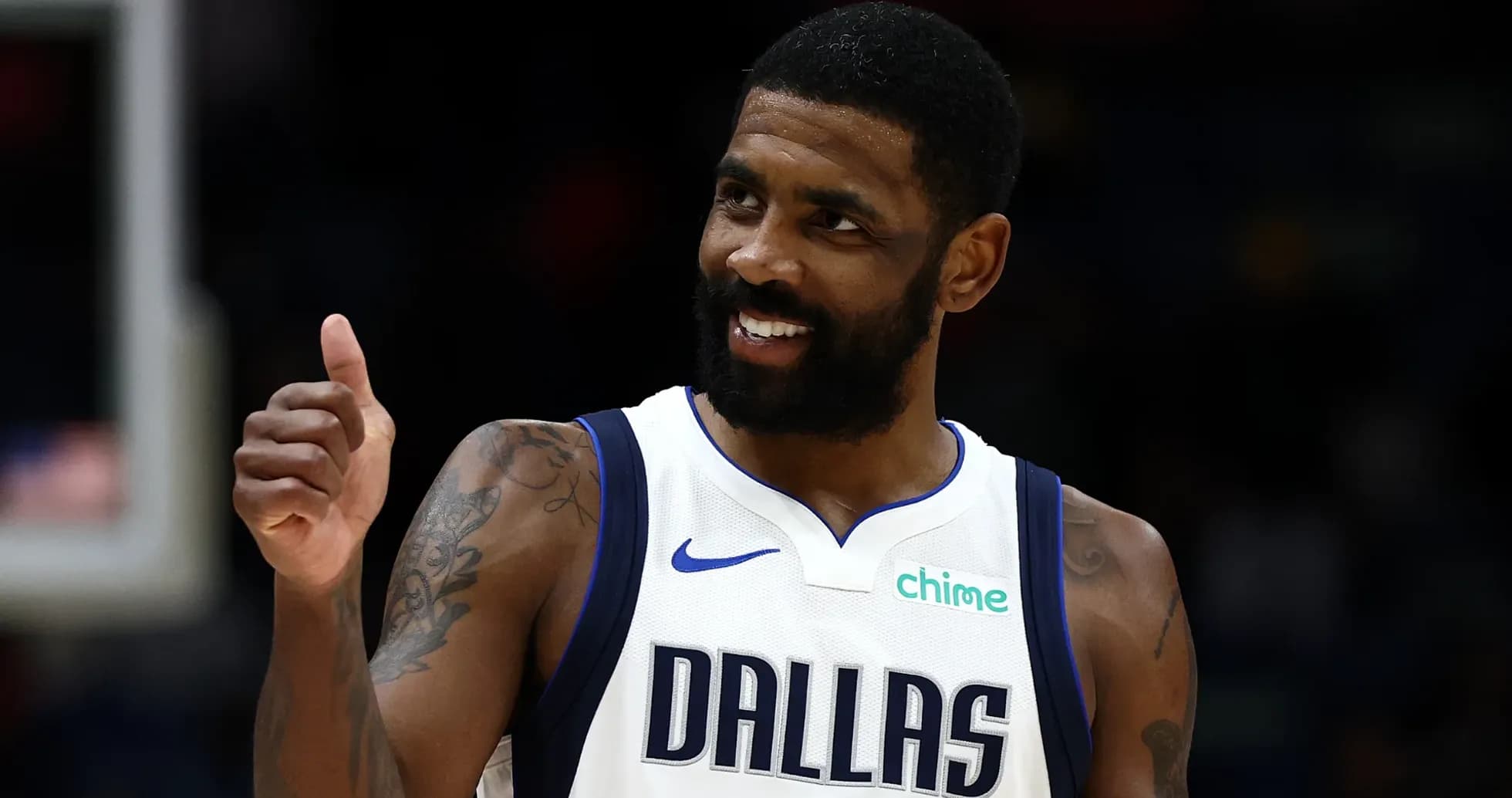
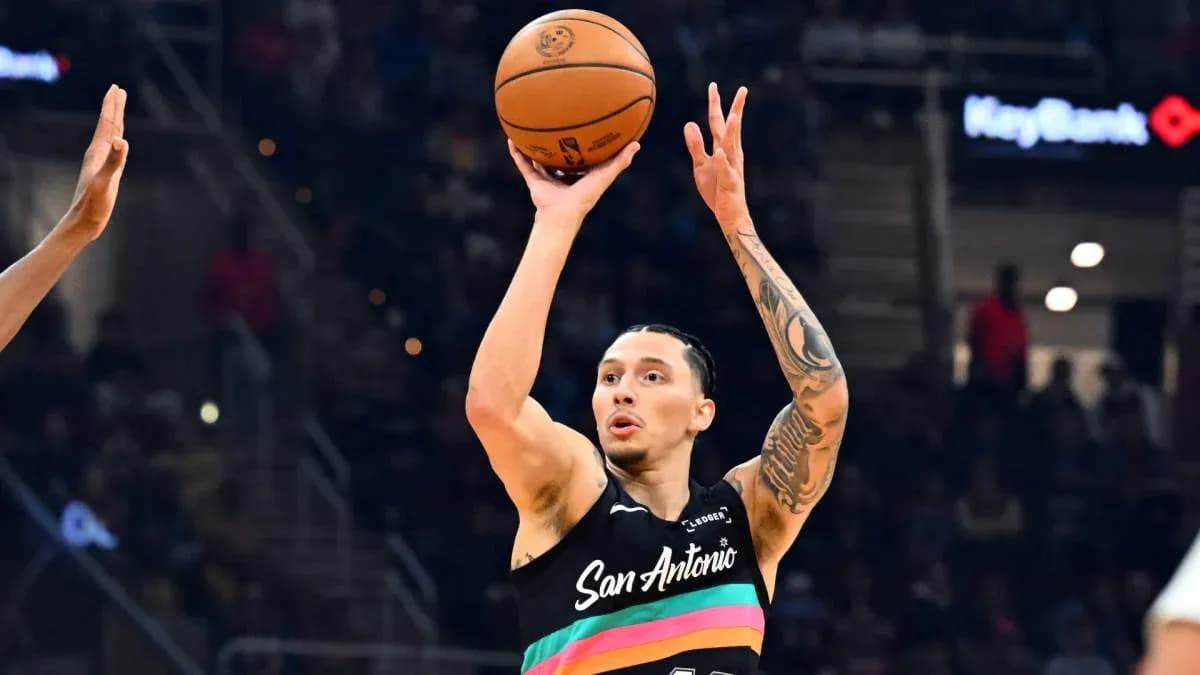
LeBron James is gone. Luka Doncic and Austin Reaves are the new axis. Around them, the front office has spun the roster like a roulette wheel: Walker Kessler, Sandro Mamukelashvili, Quentin Grimes, Collin Sexton, Kevon Looney, Jaden Hardy, Matisse Thybulle, Ziaire Williams in; James, Rui Hachimura, Marcus Smart, Luke Kennard, Deandre Ayton, Jaxson Hayes out.
Busy? Absolutely. Better? That’s where the arguments begin.
ESPN’s Zach Kram framed the central question bluntly: were the Lakers genuinely improving, or just “running in place”? The depth pieces draw praise — Thybulle’s defense, Williams’ upside — but the hole James leaves, even in his 40s, is enormous. The Lakers now carry less flexibility and no clear path that screams “title favorite.”
So the spotlight narrows to one issue: have they truly maximized the roster around Doncic?
Sexton Solves a Need — and Creates a Headache
On paper, Collin Sexton checks an obvious box. The Lakers needed a legitimate backup point guard behind Doncic, someone who can initiate offense, keep the structure intact, and prevent the attack from collapsing whenever Luka sits. At 27, Sexton brings that.
He’s done it at a high level before. In Cleveland in 2020-21, he averaged over 24 points and four assists per game. Last season with Charlotte, he still produced 14.2 points and 3.7 assists per night. This is not a fringe guard trying to hang on. This is a proven scorer and ball-handler.
But fit is everything on a contender. And that’s where the doubts grow louder.
Team insider Jovan Buha didn’t dance around it. His “biggest gripe” with the Lakers’ roster construction lands squarely on the late-game viability of a three-guard lineup featuring Doncic, Reaves and Sexton.
Buha sees the logic in adding a strong backup point guard. He also sees the ceiling on how much Sexton can actually share the floor with the two primary creators. The concern is simple and brutal: defense.
Against elite playoff opponents — he name-checked Oklahoma City, San Antonio and New York — a closing trio of Doncic, Reaves and Sexton on the perimeter risks becoming a target. Too many small guards, not enough resistance.
In Buha’s view, that likely pushes Sexton into a more modest role when the stakes rise. He floated a playoff usage closer to 16–18 minutes a night, not the 24–26 he might log in the regular season. And if that’s the case, the question becomes unavoidable: was this the best way to spend that roster spot and money?
Insurance Policy or Ceiling Cap?
The argument for Sexton is straightforward. Luka and Reaves will miss games. You can “pencil in 10 to 15 missed games” for each, as Buha pointed out. When that happens, Sexton’s ability to run the offense and create his own shot becomes invaluable. He stabilizes the regular season. He keeps the Lakers from falling apart on random Tuesday nights in January.
But the front office didn’t reshape the franchise just to survive the regular season.
Buha’s criticism cuts at the heart of team-building around a superstar: insurance versus upside. Sexton absolutely fills a need. What he doesn’t clearly do, in Buha’s eyes, is complement the two best players when it matters most.
He’s a high-impact player in theory — a versatile guard who can score, handle, and attack. Yet if his defensive limitations force the coaching staff to stash him on the bench in crunch time, that impact shrinks. The Lakers then find themselves with a productive guard whose value peaks when one of Doncic or Reaves is unavailable, not when both are on the floor and the season is on the line.
That’s the tension. Sexton helps raise the floor. The worry is that he doesn’t raise the ceiling.
The Path Not Taken
All of this feeds into a larger hypothetical: what if the Lakers had gone in a different direction entirely?
Instead of committing to Sexton on a multiyear deal, could they have chased a starting-caliber power forward — someone who could close games alongside Doncic and Reaves, someone who plugs frontcourt gaps, adds size, and doesn’t force tricky three-guard combinations?
Would there be as many questions about their postseason identity if they’d chosen that route? That’s debatable, but it’s not a fringe thought inside the league.
The Lakers did good work on the margins with players like Thybulle and Williams. They added size with Kessler and Looney. They addressed depth. Yet the central critique lingers: after letting James walk, they haven’t found a piece that clearly steps into those late-game, two-way minutes next to Doncic and Reaves.
So much of their destiny now rests on the health and availability of those two. Buha framed it starkly: the Lakers’ “ceiling caves” if Luka and Austin aren’t available. Sexton’s presence softens the blow of their absences, but he doesn’t fundamentally change that truth.
The front office bet that depth, versatility and a true backup point guard would be enough to keep them in the contender conversation. The roster looks deeper. It might be more balanced. It is unquestionably different.
Whether it’s actually better will be decided in the final six minutes of playoff games, when lineups tighten, mismatches get hunted, and coaches have to answer the hardest question of all:
Can Collin Sexton be on the floor when everything matters most?