Lamine Yamal's Bold Stance on Ballon d'Or Debate
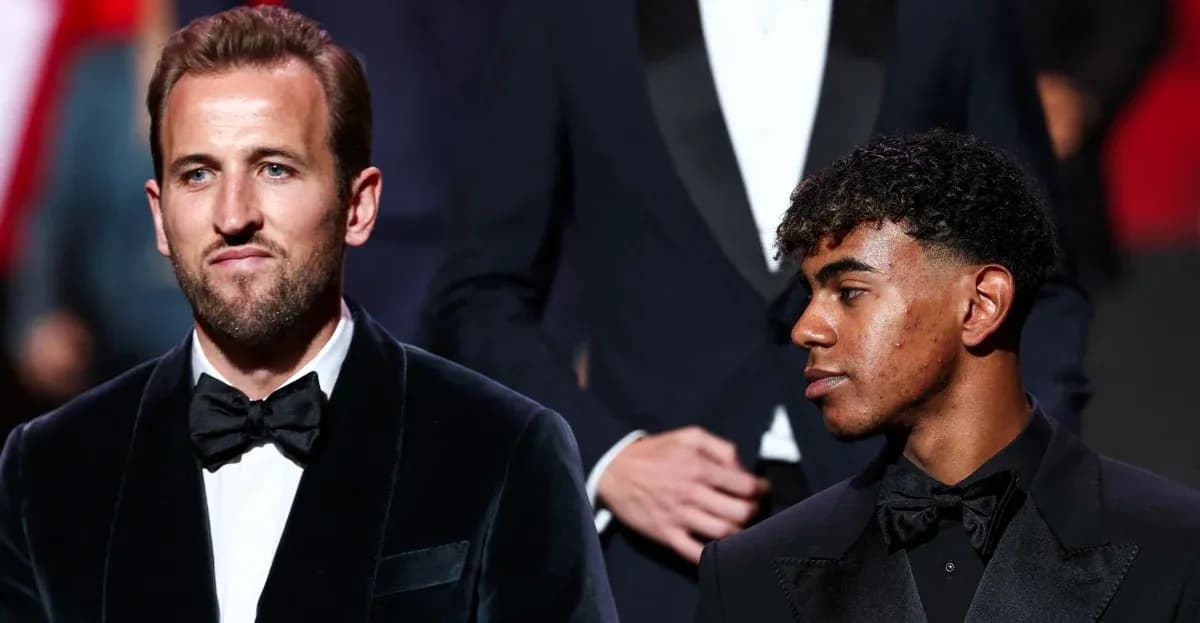
Lamine Yamal is not backing down from the Ballon d’Or debate — and this time, his words land very close to Harry Kane.
The FC Barcelona prodigy has been talking himself into the conversation for world football’s biggest individual prize in recent weeks. Ambition is expected at that level. What raised eyebrows this time was how sharply he drew the line between “best player” and “top scorer” — a line that seems to run straight through Bayern Munich’s No. 9.
“I think the Ballon d’Or should go to the best player in the world, period. Not to a player who’s scored 80 goals, because when you score 80 goals, you get the ‘top scorer’ award for that,” Yamal told Movistar Plus Deportes, in comments relayed by @iMiaSanMia.
He did not name Kane. He didn’t have to.
Kane’s season has been defined by a torrent of goals, his numbers dragged into every awards conversation. Yamal went after that idea head-on, framing pure output as something separate from true greatness.
“These are very different things that people aren’t understanding,” he continued. “The best player in the world is the one that, as a commentator, you’re watching a game and enjoying — you see him and think, ‘He’s a player who is very different from everyone else.’”
That is the crux of his argument: aesthetics and influence over accumulation. The kind of player who bends the rhythm of a match, not just the scoreline.
“When the award goes to the best, not the one who scores the most goals or the one who has won the most titles, then it will regain its true value,” Yamal added.
It is a bold stance for a youngster still carving out his own legacy. Confidence? Certainly. But by drawing such a stark contrast, he walks close to open criticism of players like Kane, whose candidacy rests heavily on an extraordinary goal return and a strong season in Germany.
The Ballon d’Or debate has always lived in that grey area between beauty and numbers, artistry and efficiency. Yamal has chosen his side, and he has done it loudly. The question now is simple: in an era obsessed with statistics, will voters share his vision of what “the best” really looks like?