Lamine Yamal on Everyday Racism in Football
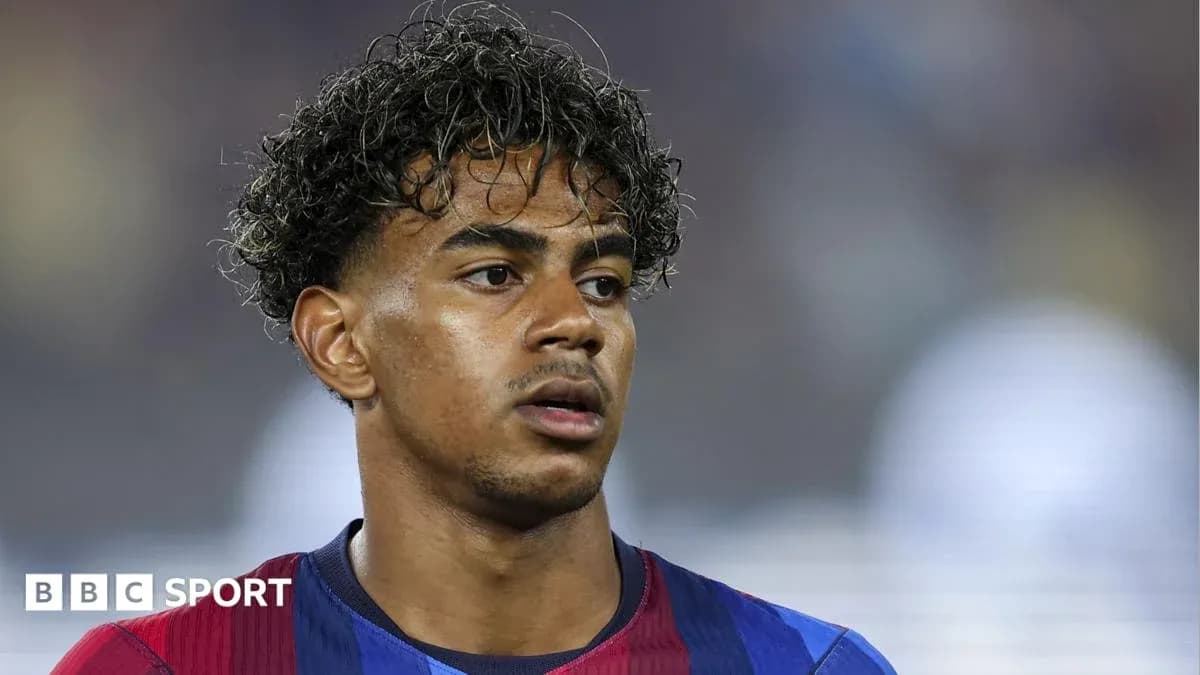
Lamine Yamal is 19 years old, a World Cup winner and a cornerstone of Barcelona’s future. Yet when he talks about what has followed him on his way to the top, the numbers are brutal.
“A thousand times,” he says.
Not goals. Not games. Incidents of racism.
In a candid interview with broadcaster Movistar, the Barcelona winger laid bare how often he has felt targeted because of the colour of his skin, describing a drip-feed of prejudice that has accompanied his rapid rise for club and country.
“People are indirectly racist toward you, but maybe don’t realise it,” he said. “There are a lot of comments or looks that are racist and they don’t even notice.”
Those comments land in a wider, uncomfortable context for Spanish football. Earlier this year, the Spanish Observatory on Racism and Xenophobia – a government agency – reported that Lamine Yamal and Real Madrid winger Vinicius Jr were the most frequent targets of online racist abuse in Spain in the final quarter of 2025. Two of the league’s brightest attacking talents, both repeatedly singled out away from the pitch.
The abuse has not been limited to social media. Lamine Yamal was among the Barcelona players targeted during El Clasico at the Bernabeu in October 2024, another night when the sport’s most-watched fixture was stained by racist behaviour from sections of the crowd.
Yet the winger’s response is striking for its clarity rather than anger. He separates description from insult, identity from intent.
“If someone calls me Black, it’s not going to bother me at all, ultimately I’m Black, I’m not any other colour,” he said. “Another thing is whether it’s good or bad, whether they’re saying it to offend me.”
That distinction matters to him. The word itself is not the problem. The way it is used, the tone, the purpose behind it – that is where the line is drawn.
He also made it clear that he will not allow abuse to derail him on the pitch.
“If I’m playing a match and they paid for a ticket to see me, I’m not going to get angry just because they disrespected me.”
It is a remarkably composed stance from a teenager who has already helped Spain win the World Cup in July and now carries the expectations of both a nation and one of the world’s biggest clubs. He continues to play with freedom and audacity, even as he describes a reality that is anything but free.
Spanish football has spent years wrestling with racism, often reacting in bursts of outrage before the conversation fades. With players like Lamine Yamal and Vinicius Jr still at the centre of official reports on abuse, the question is no longer whether the problem exists.
It is how long the game is prepared to let its brightest stars live with “a thousand” cuts before something truly changes.