Lando Norris Takes Pole Position at the 2026 Spanish Grand Prix
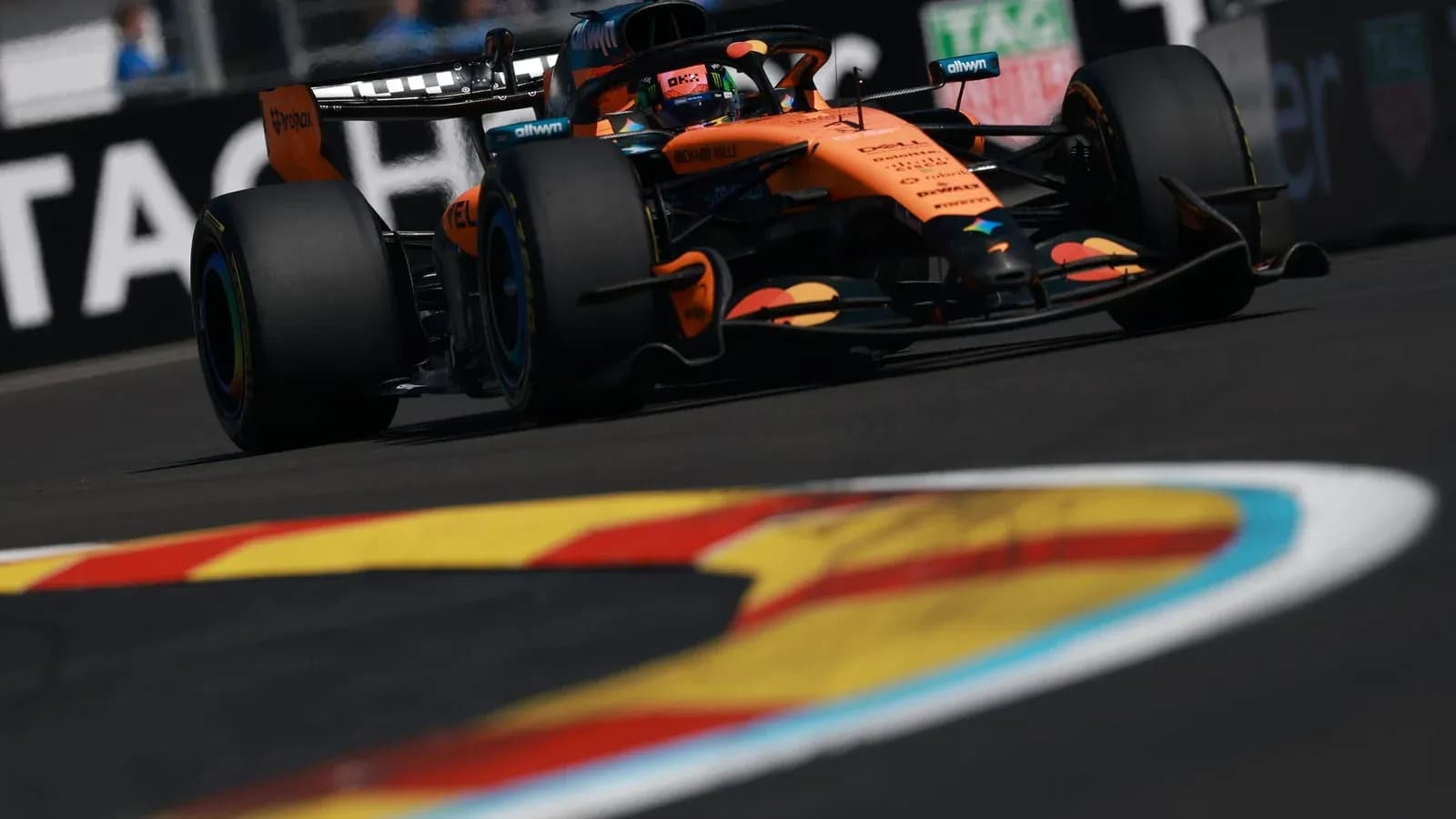
Lando Norris owns the streets of Madrid. At least for now.
On Formula 1’s first competitive day at the Madring, the McLaren driver stamped his authority on the sport’s newest grand prix venue, storming to pole position for the 2026 Spanish Grand Prix and planting himself exactly where every strategist believes you must be on Sunday: in clean air, at the front, away from the chaos everyone expects.
Behind him, the story fractures into risk, uncertainty and a little bit of jeopardy.
A New Spanish Stage, A Narrow Margin for Error
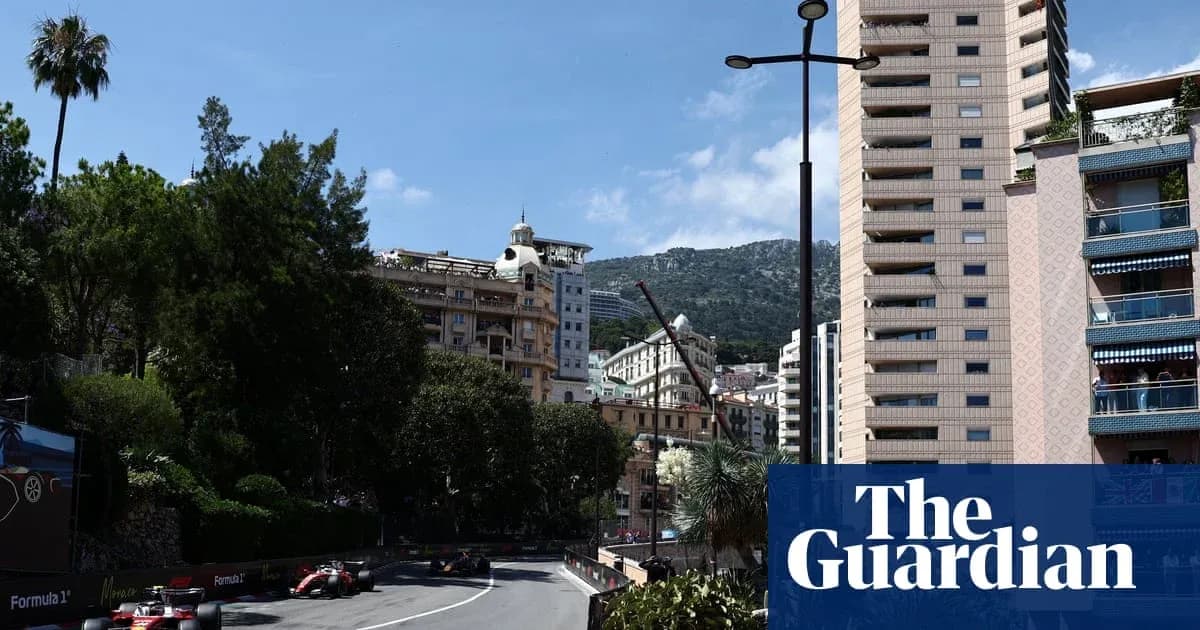
Barcelona is out. Madrid is in. The Madring, a 5.414km street circuit stitched together with 22 corners and a heavily banked Turn 12 as its showpiece, has already made one thing clear: this is no gentle introduction.
The walls loom. The grip evolves. The margin for error is thin.
Drivers came into the weekend predicting red flags and safety cars, especially with a hungry midfield ready to gamble. Yet Friday refused to play to type. Only one red flag interrupted practice, triggered when Arvid Lindblad lost control of his Racing Bulls at Turn 13 in FP2 and slid out, a reminder that the track will punish even small misjudgements.
The lack of drama in practice hasn’t fooled anyone. With the race stretching from 2:00pm to 4:00pm BST on Sunday, the paddock still expects the Madring to bare its teeth when it really matters.
Norris on Pole, Antonelli Poised, Russell on the Back Foot
Norris did what every title contender must do at a new venue: adapt quickly and attack hard. Pole for McLaren gives him control of the opening laps on a circuit where overtaking looks difficult and track position could dictate the entire afternoon.
Just behind him, Kimi Antonelli sits in a quietly powerful position. Second on the grid, a 66-point cushion over George Russell in the standings, and a car that has looked composed all weekend: the Italian has a chance to turn a strong season into something more emphatic.
Russell’s task is very different. Seventh on the grid, trapped in the maelstrom of the pack, he has to balance aggression with survival on a track that offers little room for error. If the race runs clean, he faces a long, hard slog to limit the damage. If it explodes into safety cars and restarts, he has to be ready to pounce without throwing away what’s left of his championship challenge.
Carlos Sainz, meanwhile, has been hit before the lights even go out. A grid penalty for blocking has dragged him down the order, leaving him to fight back in front of his home crowd from a compromised position. On a tight street circuit, that’s a brutal handicap.
Strategy: A Gamble on Rubber and Chaos
The strategic picture is as jagged as the circuit map.
Every team knows the same truth: the fewer pit stops, the better. Track position is king here, and dropping into traffic after a stop could kill a race in a handful of corners.
That logic tempts teams towards a bold opening move: start on the soft tyres, burn through them early, and get them out of the way before the race settles. If the race erupts in the opening laps, a safety car could hand those on softs a cheap stop, flipping them into clean air and control.
But there’s a catch. If the safety car never comes, or arrives at the wrong time, that early green-flag stop on softs becomes a costly detour. You tumble down the order, trapped behind slower cars, watching your afternoon unravel.
So the counter-argument grows stronger: start on the hard tyres, go long, and wait for the race to come to you. On hards, you can sit tight, survive the early chaos, and be ready to capitalise if and when the safety car appears later. One well-timed interruption, one perfectly judged stop, and you leapfrog rivals who boxed early.
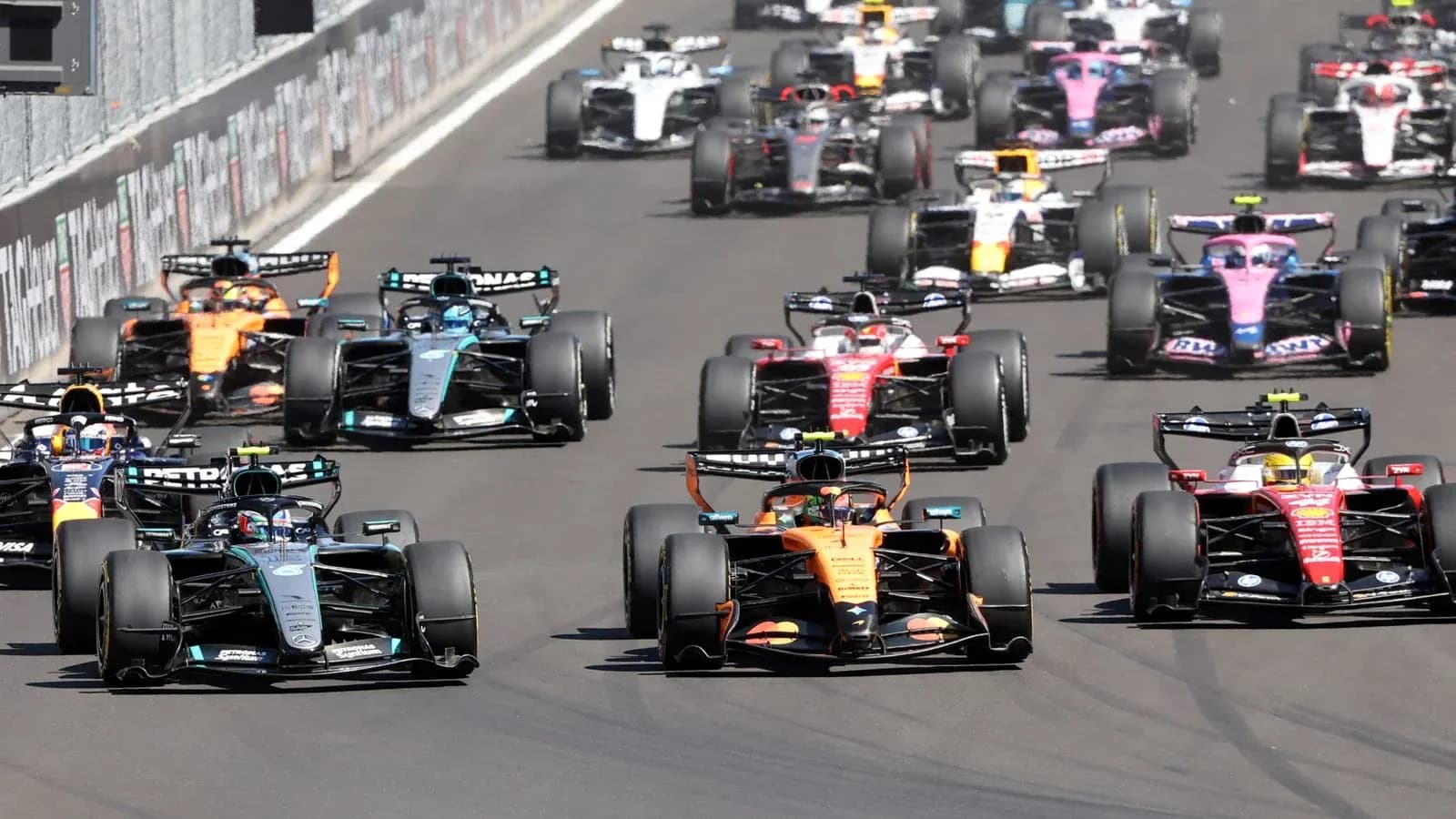
The problem? You’re starting a street fight on the slower tyre. Off the line, on a dusty new circuit, that could be the difference between holding position and being swallowed by those gambling on softer rubber. For Norris on pole and Antonelli on the front row, that choice will define how much control they truly have into Turn 1 and beyond.
Into the Unknown
The Madring offers no real historical data, no long-term patterns, no trusted playbook. Teams are stitching together strategy models from a handful of sessions, simulation runs, and educated guesses about safety cars, tyre wear and track evolution.
For Norris, it’s a chance to turn an electric lap into a statement victory at a brand-new home for Spanish motorsport.
For Antonelli, it’s another opportunity to stretch that 66-point lead and tighten his grip on the title race.
For Russell, starting seventh, it may be the day that decides whether he remains a genuine threat in this championship or slips into the role of distant chaser.
And for everyone else, from Sainz fighting a penalty to the midfield gamblers eyeing the walls and the weather and the unknowns, Sunday in Madrid is exactly that: a complete trip into the unknown.