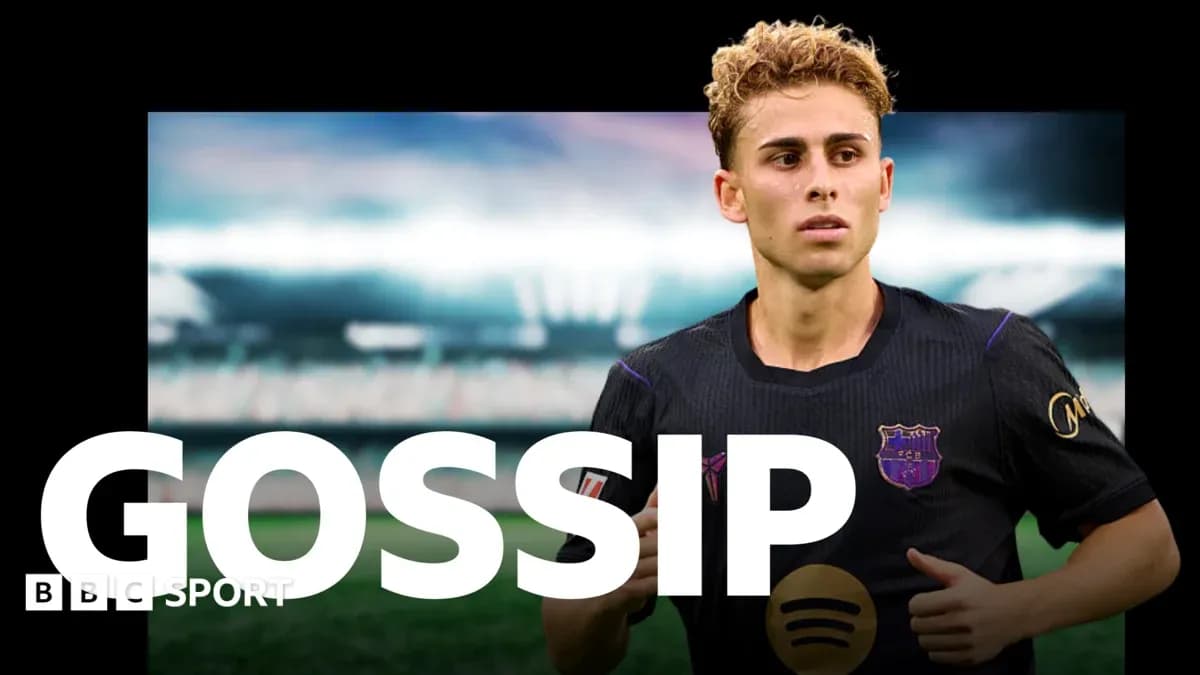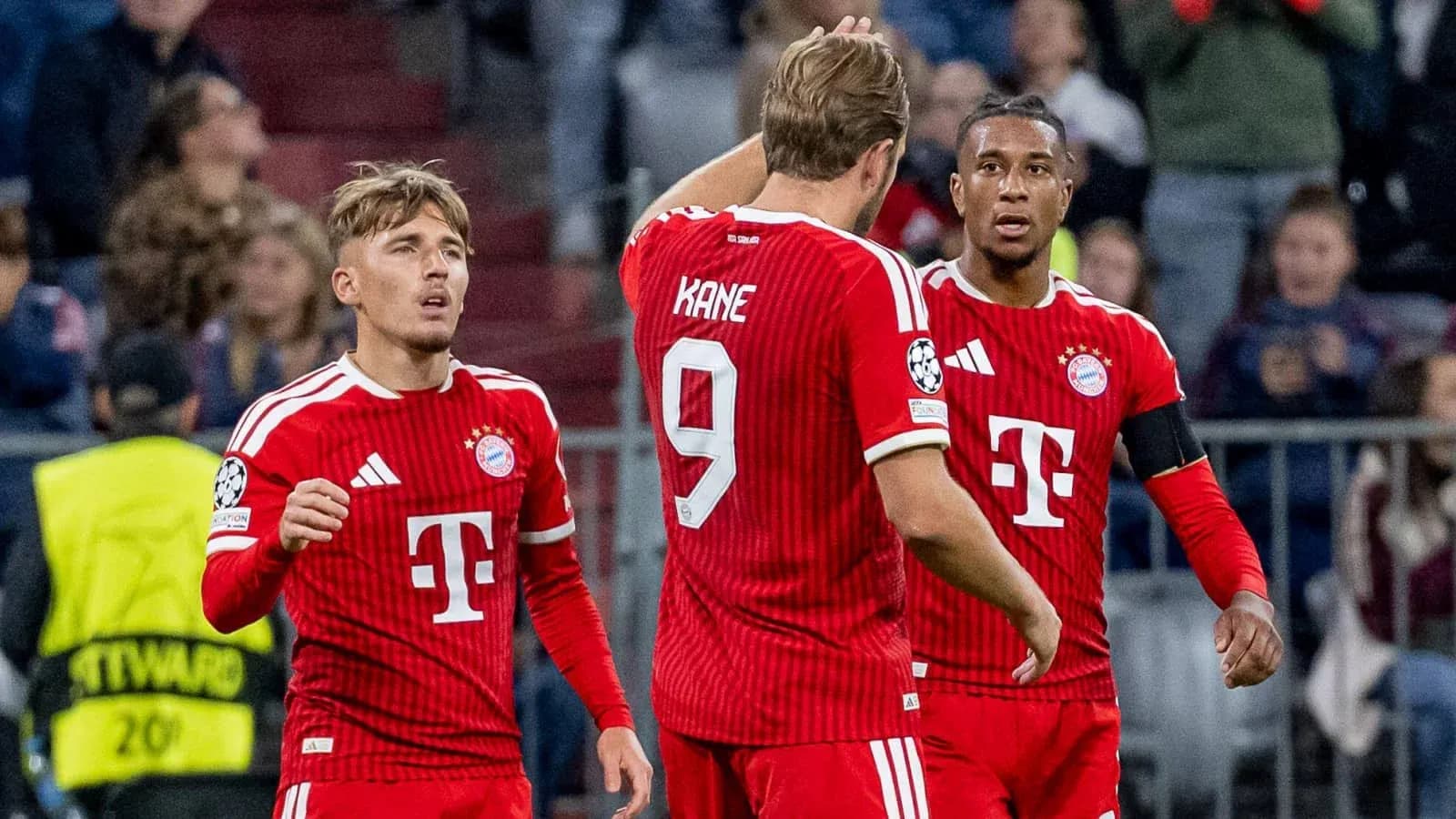
Lennart Karl: Bayern’s Prodigy Facing Challenges Amidst European Interest
Lennart Karl was supposed to be Bayern Munich’s next great certainty. New contract signed, first-team breakthrough made, Germany debut in the bag. The path looked clear.
It no longer does.
Earlier this year, the 18-year-old turned down serious interest from Arsenal and Liverpool to commit his future to Bayern, extending his deal through to 2029. The message then was simple: Munich was home, the Allianz Arena his stage, Vincent Kompany the coach to shape his rise.
Now the story has become far more complicated.
From breakthrough star to stalled season
Last season, Karl looked every inch the “German wonderkid” label that has followed him through the youth ranks. He delivered nine goals and seven assists in 34 appearances under Kompany, numbers that, for a teenager at Bayern, carry real weight. He played with a fearlessness that cut through tight games and a maturity that made it easy to imagine him as a pillar of the club’s next era.
That form pushed him into the senior national team picture. Julian Nagelsmann handed him his first caps, then named him in Germany’s initial World Cup squad before injury cruelly ruled him out of the tournament in north America. New national coach Jurgen Klopp has kept the faith, including Karl in his early squads and reinforcing the sense that, for Germany at least, this is a player to build around.
At club level, though, this season has jolted that smooth ascent. Karl has managed just two Bundesliga starts and one in the Champions League. For a teenager coming off a breakout campaign, that is not progression; it is a pause.
The immediate footballing reason is clear enough. Ismael Saibari has arrived and hit stride quickly, tightening the competition for attacking places and nudging Karl down the pecking order. Saibari’s form has given Kompany little reason to tinker.
But the concerns at Bayern now run beyond team selection.
Hoeness steps in
Inside the club, questions are being asked about Karl’s behaviour away from the pitch. TEAMtalk’s information is that Bayern are unhappy with certain off-field aspects, enough for the situation to escalate beyond the dressing room and coaching staff.
When Uli Hoeness speaks, Bayern listen. When he goes public, the subject knows he is on notice.
“I intend to have a serious conversation with him. He is far from being a superstar,” the honorary president told BILD, a pointed reminder that, at Bayern, talent alone has never been enough.
“Young players need to have humility. The comparisons with [Michael] Olise are clearly not doing him any good. There is still a huge difference between the two.”
Those remarks cut to the heart of the issue. Michael Olise has become a major star in Munich, a benchmark for what elite consistency and professionalism look like at Bayern. Karl, still only 18, is being measured against that level before he has earned it. The club fear the hype has started to run ahead of the player.
Hoeness’ intervention is not just a warning; it is a challenge. Bayern want a response. They want Karl to reset, to strip things back to the work that made him such an exciting prospect in the first place.
Europe starts to circle
Whenever a young talent of this calibre hits turbulence at a superclub, the same thing happens: the phones start ringing.
Intermediaries are already testing the water. Arsenal and Liverpool, who pushed hard before Karl renewed at Bayern, are fully across the situation. Manchester United have been alerted too, adding another heavyweight Premier League name to the list of admirers ready to act if an opening appears.
The interest does not stop in England. Barcelona and Real Madrid, who both tried to sign Karl when he was just 10 after he dazzled at a youth tournament, have never completely lost sight of him. For them, this is a long-running file, not a new discovery. The difference now is that the boy they once courted as an academy prospect is a senior international under contract at Bayern until 2029.
That contract matters. It gives Bayern control, leverage, and time. There is no suggestion from any side that an exit is imminent, no indication of a January scramble or a sudden summer auction. The club’s stance is straightforward: they want Karl to overcome this spell and re-establish himself under Kompany.
For rival clubs, the calculation is different. They are not planning for 2024 or 2025. They are watching for 2027 and beyond, for the moment when a long deal starts to feel shorter, when a player’s role and trajectory either align with the club’s vision or begin to diverge.
A decisive stretch in Munich
Strip away the noise and Karl’s reality is stark. He remains one of German football’s brightest prospects, a teenager already trusted by two national team coaches and tied to the country’s dominant club. Yet his place at Bayern is no longer guaranteed by reputation or potential. It has to be earned again.
The next steps will define how this story is told in a few years’ time. Does he respond to Hoeness’ challenge, fight his way past Saibari, and grow into the role many expected him to own? Or does this season mark the first crack in Bayern’s grip on a player Europe’s elite have been tracking since childhood?
For now, Bayern hold the contract and the cards. Karl holds the one thing they cannot manufacture: his reaction.