Liam Lawson's Monza Challenge Ends in Frustration
Lawson’s gritty Monza climb ends in frustration as damage ruins points bid
Liam Lawson’s stand‑in stint has already shown he belongs in the thick of it. The Dutch Grand Prix set the tone.
Drafted in at short notice to cover for the injured Isack Hadjar, the Kiwi was thrown into the deep end at Zandvoort with minimal preparation. He missed the points in the sprint, but when it mattered in the main race he settled himself, found a rhythm, and dragged the car to seventh. It was the sort of debut drive that turns heads in a paddock that rarely hands out second chances.
Monza, though, was a different story.
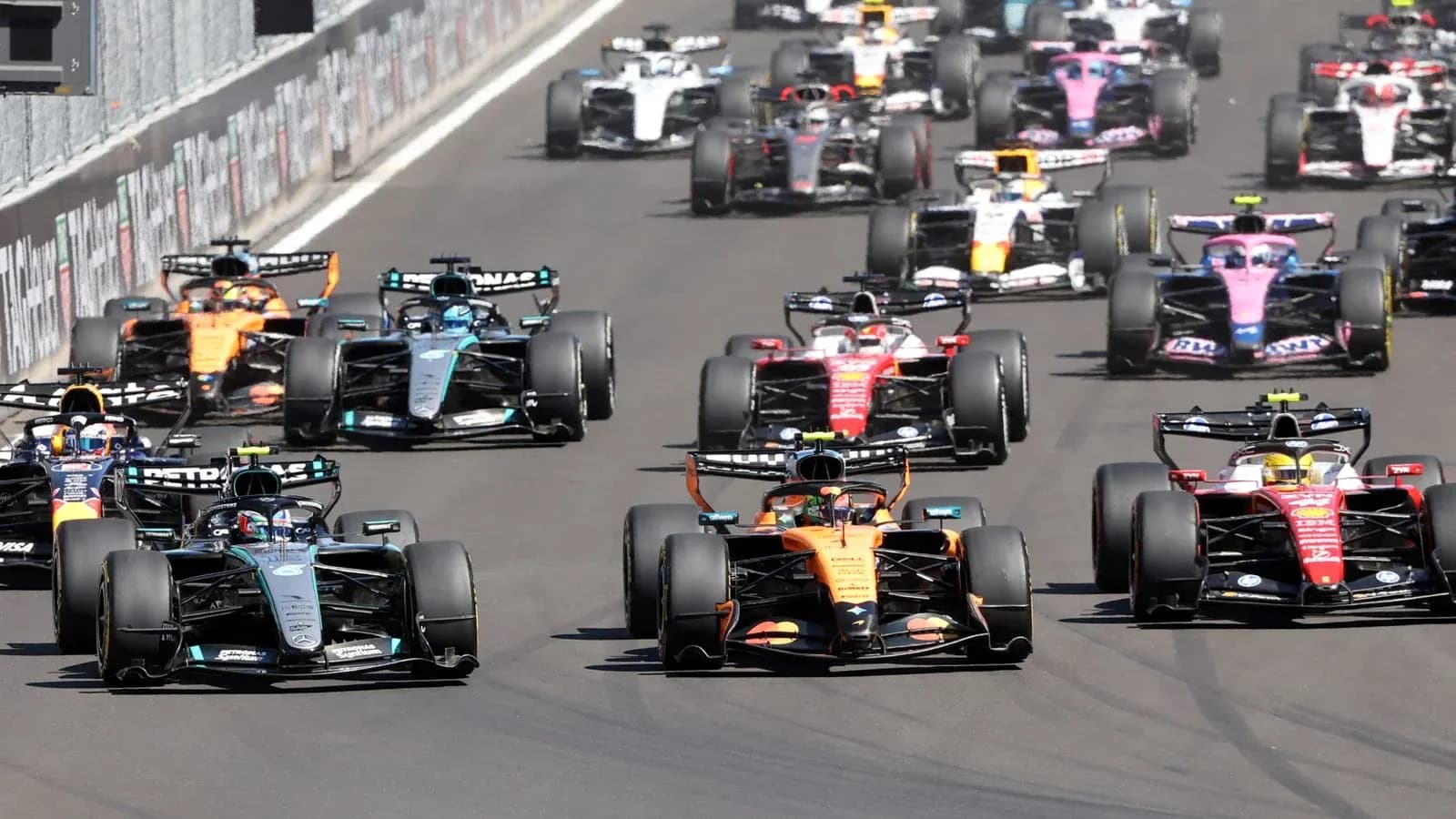
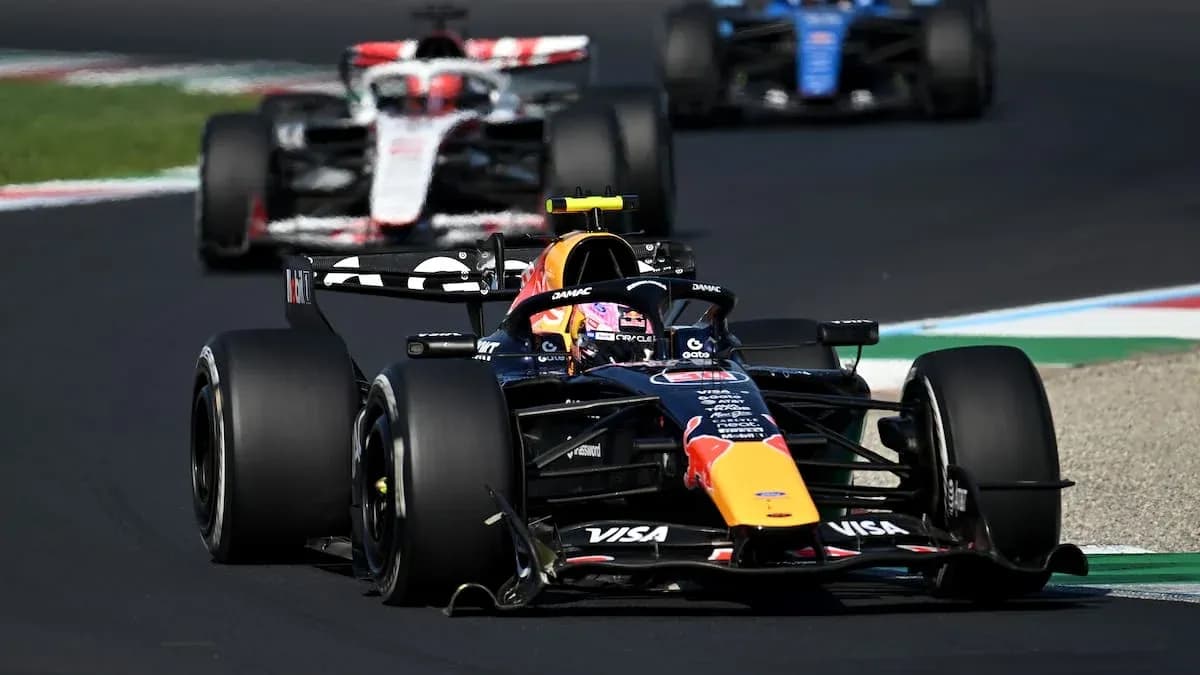
Starting from the pit lane at the Italian Grand Prix, Lawson faced the long way round just to sniff the top 10. No atmosphere in motorsport exposes a driver quite like Monza’s endless straights and unforgiving scrutiny, and from the back it can feel even longer. He responded the only way a young driver fighting for his future can: by attacking.
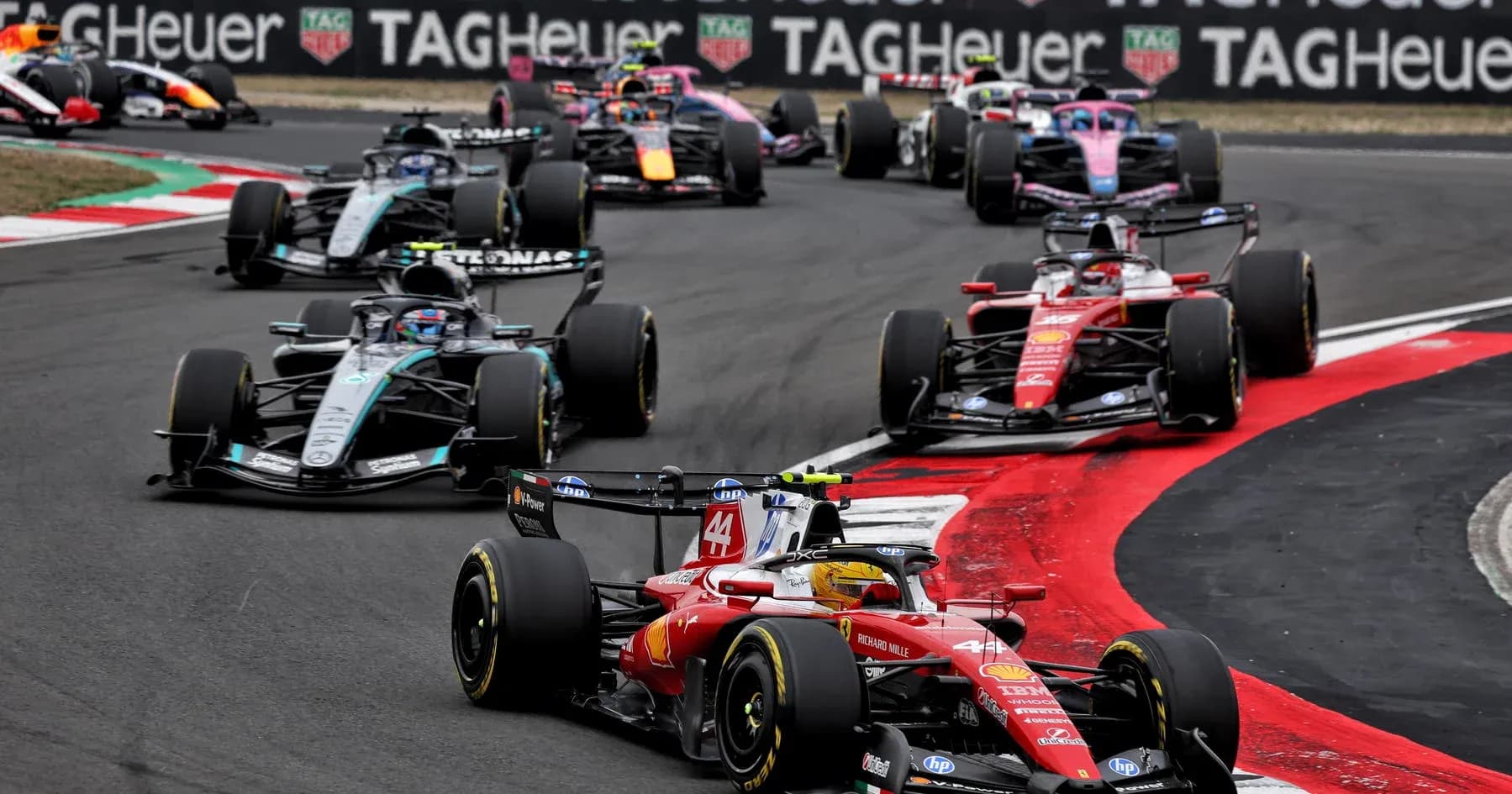
Lap after lap, Lawson picked his way through the field. From last to 11th, the climb was patient but assertive, a blend of clean overtakes and controlled aggression that hinted at another unlikely points finish.
Then it unraveled.
Contact with Audi’s Nico Hulkenberg damaged Lawson’s front wing and with it any realistic hope of a top‑10 result. The car lost its edge, the momentum disappeared, and what had looked like a clever recovery drive turned into a lesson in how brutally F1 can flip a storyline in a single incident.
The numbers still tell a respectable tale. Lawson sits ninth in the drivers’ standings on 51 points. He trails Hadjar by 20, a gap shaped as much by circumstance as by speed, and holds a 10‑point cushion over Alpine’s Pierre Gasly — the Italian Grand Prix pole sitter who converted his starting advantage into seventh place at Monza.
There is no immediate chance to reset. After Monday morning’s Spanish Grand Prix, the calendar breathes for two weeks before the next stop in Azerbaijan. For Lawson, that pause arrives with mixed feelings: evidence he can carve through a field at one of the toughest venues on the calendar, and a stark reminder that one misjudged moment can turn a statement drive into a missed opportunity.
When the lights go out again in Baku, the question will be simple: can he turn flashes of promise into a sustained charge up the standings?