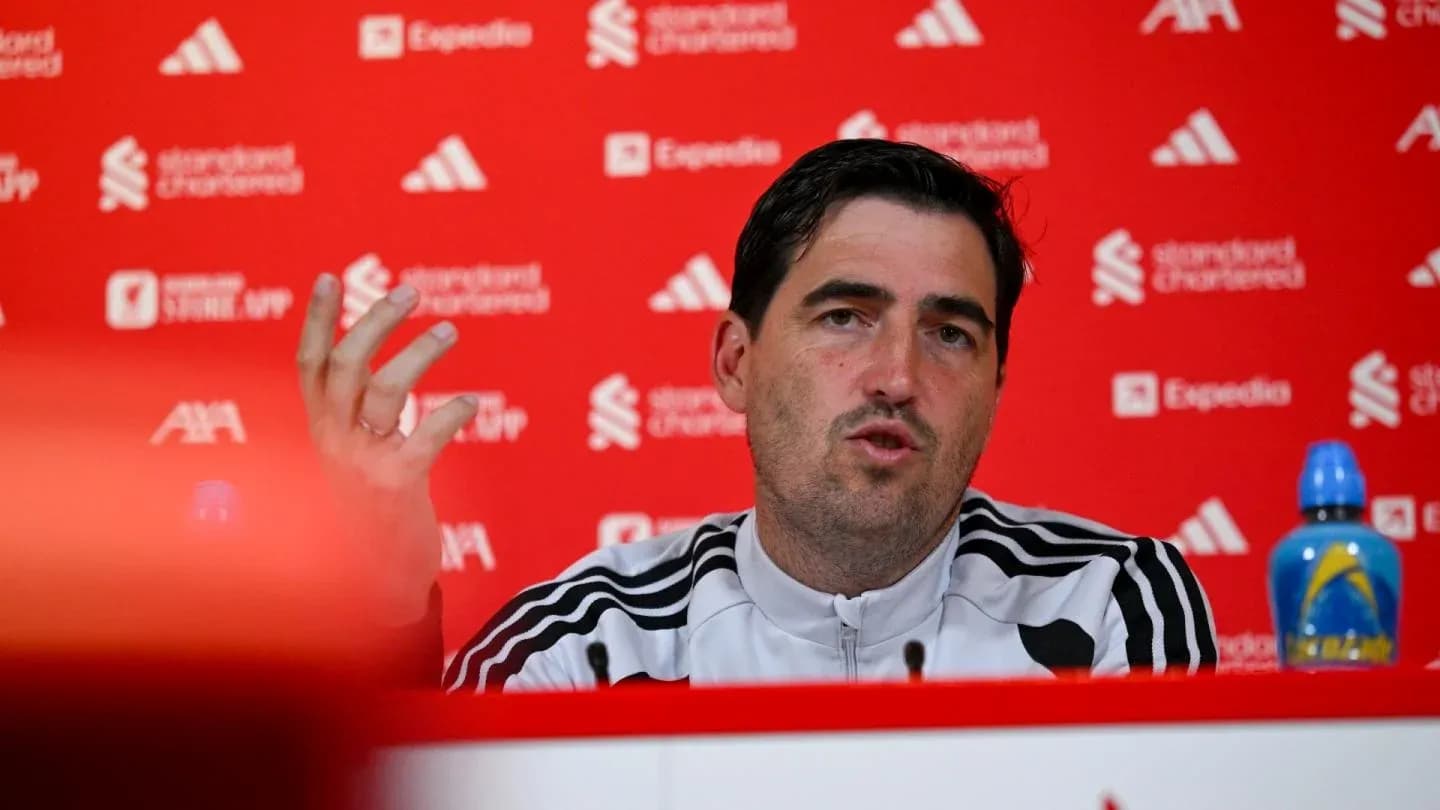
Liverpool's Transfer Pursuit and Tactical Balance Ahead of Anfield Debut
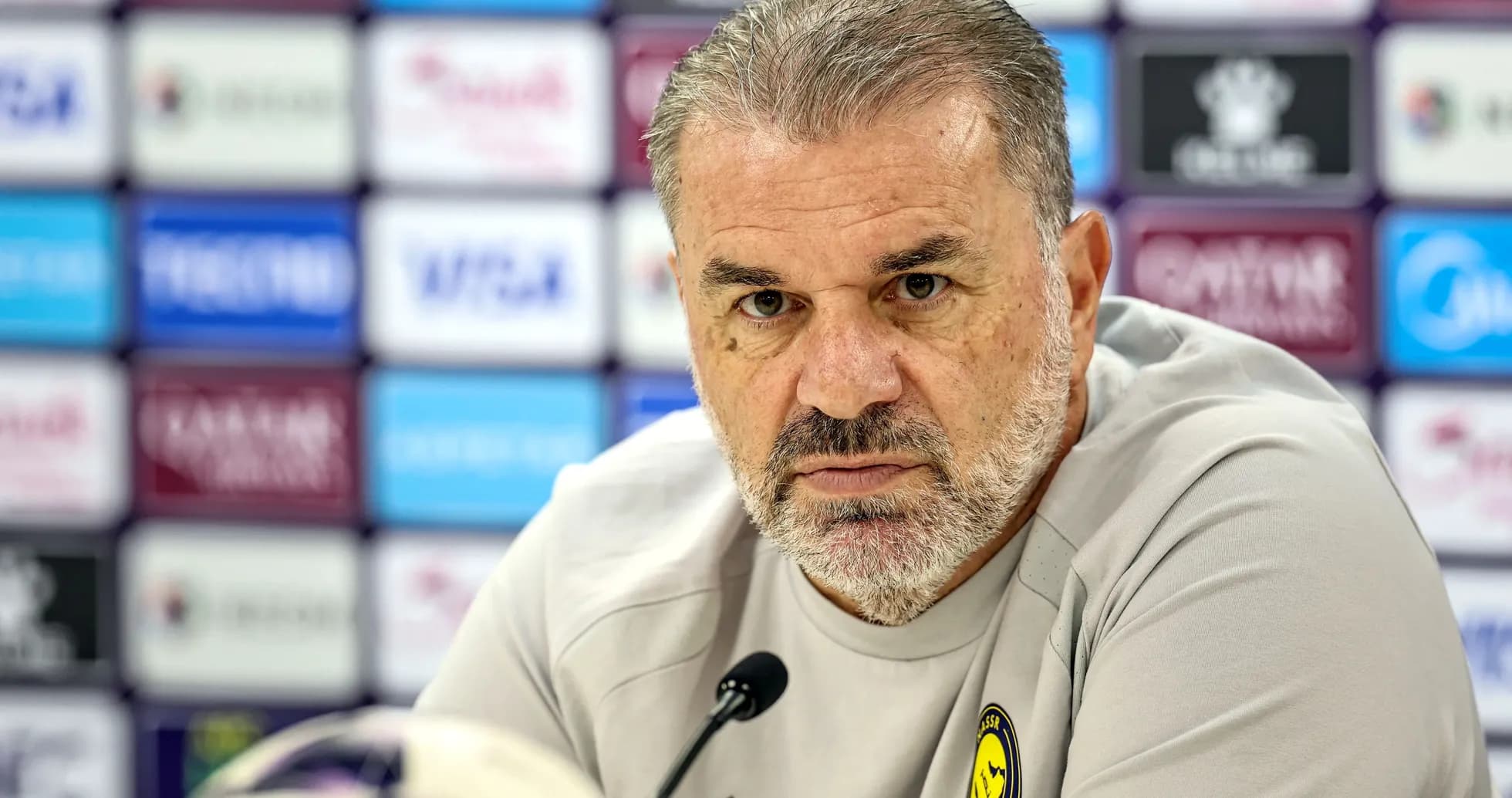
At the AXA Training Centre, with Anfield looming on the horizon and the transfer window ticking down, Liverpool’s head coach cut a calm but unmistakably driven figure. The message was clear: his team is still under construction, but the standards will not wait.
Wide men wanted – and needed
He did not dress it up. Liverpool are short out wide, and everyone knows it.
“As you know, we are trying to sign in that position,” he said, stopping short of naming names, “and also, as you know, we cannot talk about players that right now are not ours.” The gap in the squad is obvious, and he did nothing to hide it. “We are trying to improve or try to fill that position because we don't have the numbers. I hope we can have good news soon but we are still not there.”
The hunt is active, the need is pressing, but the deals are not done. Not yet.
Walking the tightrope: attack vs control
If recruitment is one battle, the other is already on the pitch: finding a Liverpool that can thrill without being picked off.
“Yeah, that's the key – you said the balance,” he admitted. He does not want to blunt the side that pours forward, overloads the box and swarms opponents. But the warning from the previous game still stings. “We were punished the other day, especially in the first goal. I think we don't do a proper lockdown.”
This is not a sudden revelation. “It's nothing new, like we've started this week. It's something that we always want to control.” The challenge lies in nuance, not in a tactical U-turn.
“We cannot go from one way where we send a lot of people forward to after we keep everyone so we don't arrive with numbers, everything looks very stale.” The answer, in his eyes, lives inside the players’ decisions. Not on a joystick.
“There are players that are very good, they're smelling, 'OK, there is real danger, I can't take the risk of going. Now I think I have to stay.' This is also the quality of the player who takes those decisions.”
Transfer clock ticking
On the window, he sounded like a man who knows exactly what he wants and exactly how little control he has over when it arrives.
“I don't know what's going to happen. We have to be patient – even myself – for another four or five days and then we will know.” Only when the window shuts will the picture be real. “I will be comfortable the first of September, or the second in this case, when they tell me, 'OK, this is who we are, this is the options we have.'”
Then, and only then, can he fully lock in the plan. “Right now we don't know. I have in my head what I want. We've been talking not now [but] since the beginning with the club and they all know also what we want, and then it's a matter of closing the deals.”
The blueprint is agreed. The execution is in the hands of the market.
Anfield awaits
All of that sits against the backdrop of a personal milestone: his first Premier League game at Anfield as Liverpool head coach.
“It's definitely a special moment for me,” he said. He has already had a taste of the stadium in pre-season, but this will be different. Real points, real jeopardy. “When the competition starts for me, it's going to be – I will be thinking of the game and the things that I need to think – but I think it's going to be emotional and I think it has to be like this.”
He knows what it took to reach this dugout. “I've had to fight a lot to arrive to this place and I hope everything goes well and I can enjoy also the game.”
Enjoyment at Anfield usually comes with a price: control, aggression, and three points.
Respect for Glasner’s Forest
Nottingham Forest arrive under Oliver Glasner, a coach the Liverpool boss knows well from previous Premier League meetings.
“I think he has been very successful,” he said. The respect is genuine and rooted in experience. “You can see straight away the shape, they don't concede a lot of chances.”
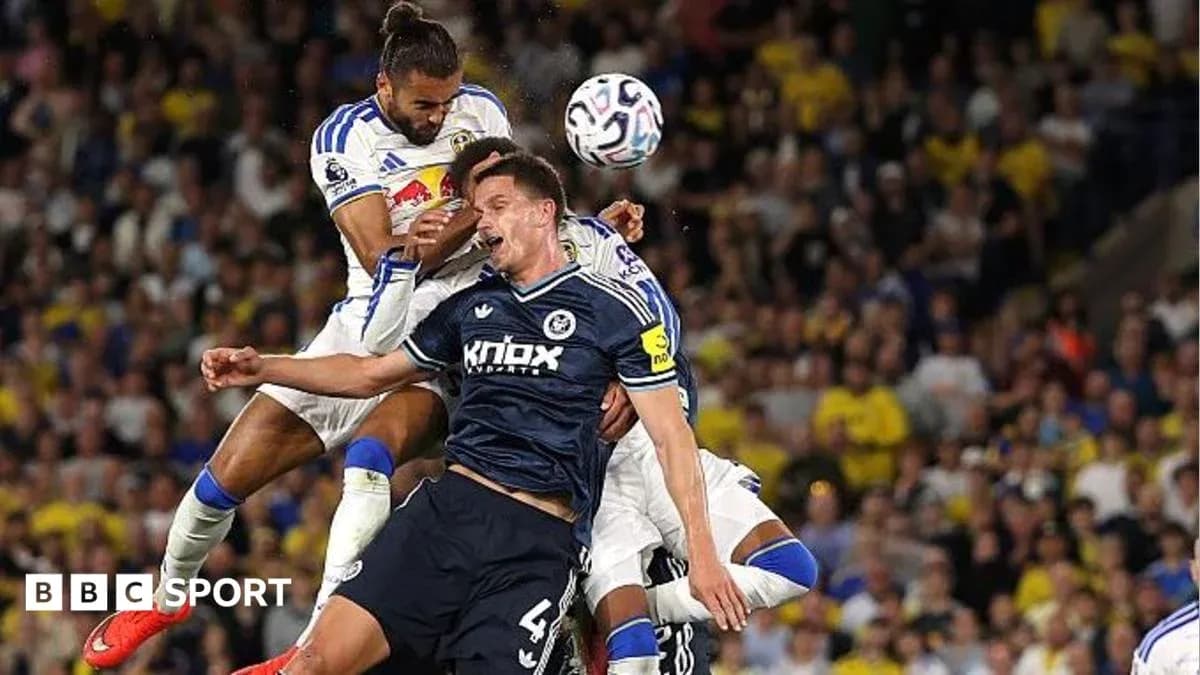
He pointed to Forest’s narrow defeat to Leeds as a warning. “It was a very tight game, not a lot of chances and Leeds won because they scored a free-kick in the 90th minute. But probably Forest even had more chances than Leeds until that moment.”
Nothing will be handed to Liverpool. “We will have to earn every chance. They don't give you [anything] for free. You have to be very good on the ball, be patient sometimes because they defensively are very solid, [they] are very good.”
And when possession is lost, the alarms will sound. “They have also very good players up front – like every Premier League team – and we have to control those situations, especially in the transitions because they also have good threats in the counter.”
Midfield freedom, with strings attached
The conversation returned to structure, this time in midfield. The temptation, after conceding on the break, is to chain players back. He wants something more sophisticated than that.
“Obviously we cannot attack with everyone and then leave everyone at the back, but also there is a balance there.” He will not suffocate his more adventurous midfielders.
“I don't want to tell Ryan Gravenberch, 'Don't carry the ball and don't arrive to the box.'” He reached for a concrete example: the goal against Monaco. “The goal we scored, I think the one-two, it was Gravenberch to [Dominik] Szoboszlai and then a pass to Alex [Isak] and he scores and no-one asked me, 'Why are you leaving Ryan Gravenberch and Szoboszlai there on the edge [of the box] both together?' No, they said, 'Incredible goal, lovely goal.'”
The same shape that creates beauty can create risk. The solution, again, lies in reading the game. “There's recognising the situations from the others also, how we can balance those numbers with other positions.”
He does not want automatons. “I don't want to keep all the time the players also like, 'I'm in the opposite half, I have to stay here.' Like when a full-back goes, the other has to stay there because one has gone, I have to stay here.” Context matters.
“Depending [on] the situation and depending on where is your opposition, if your opposition is also very low, we have the numbers at the back, [then it's] probably safer to go. If they are kind of leaving players in behind, we have to be careful. Recognising those situations is the job we have to do now.”
What control really looks like
Asked how his side can “exert more control”, he pushed back slightly on the premise.
“I felt we controlled the game, honestly, quite well the other day.” The problem was not the volume of control, but the cost of the few moments when it slipped. “Obviously you concede two transitions and you can tell me, 'No, but you conceded...' [and] it's true, but I think we had a meaningful possession.”
This was not sterile dominance. “I felt like we were quite direct in our attack, we stayed most of our game very far. I was feeling during the game, sometimes you feel [it], I was always feeling we are closer to scoring than Newcastle are in most parts of the game.”
The scoreboard, of course, tells its own story. “It's true that you don't win, you draw 2-2 and you cannot change this, but I felt we did a lot of good things in the first game.”
The task now is to keep the good and strip away the chaos.
Jacquet’s first steps
One of the more intriguing notes from that opening match was the Premier League debut of Jeremy Jacquet, thrown in with barely 45 minutes of pre-season in his legs.
“I think overall he played very well, considering it's his first game [and] also basically 45 minutes of pre-season.” The decision to withdraw him late on was physical, not tactical. “It's true that he finished tired; we had to sub him because I was feeling the last five minutes on the pitch he was tired. You can feel [it], especially with centre-backs.”
The raw materials are there. “He's been very confident on the ball, good without the ball and he's very young, a new signing. For sure he will make some mistakes, we have to accept this, but he's performing and training very well for me.”
A young centre-back learning on the job, a coach demanding balance in every line, a club still chasing wingers as the window closes. Anfield will see all of it soon enough – the emotion, the risk, the ambition – and then the real question begins: is this version of Liverpool ready to live with the standards that stadium demands every single week?