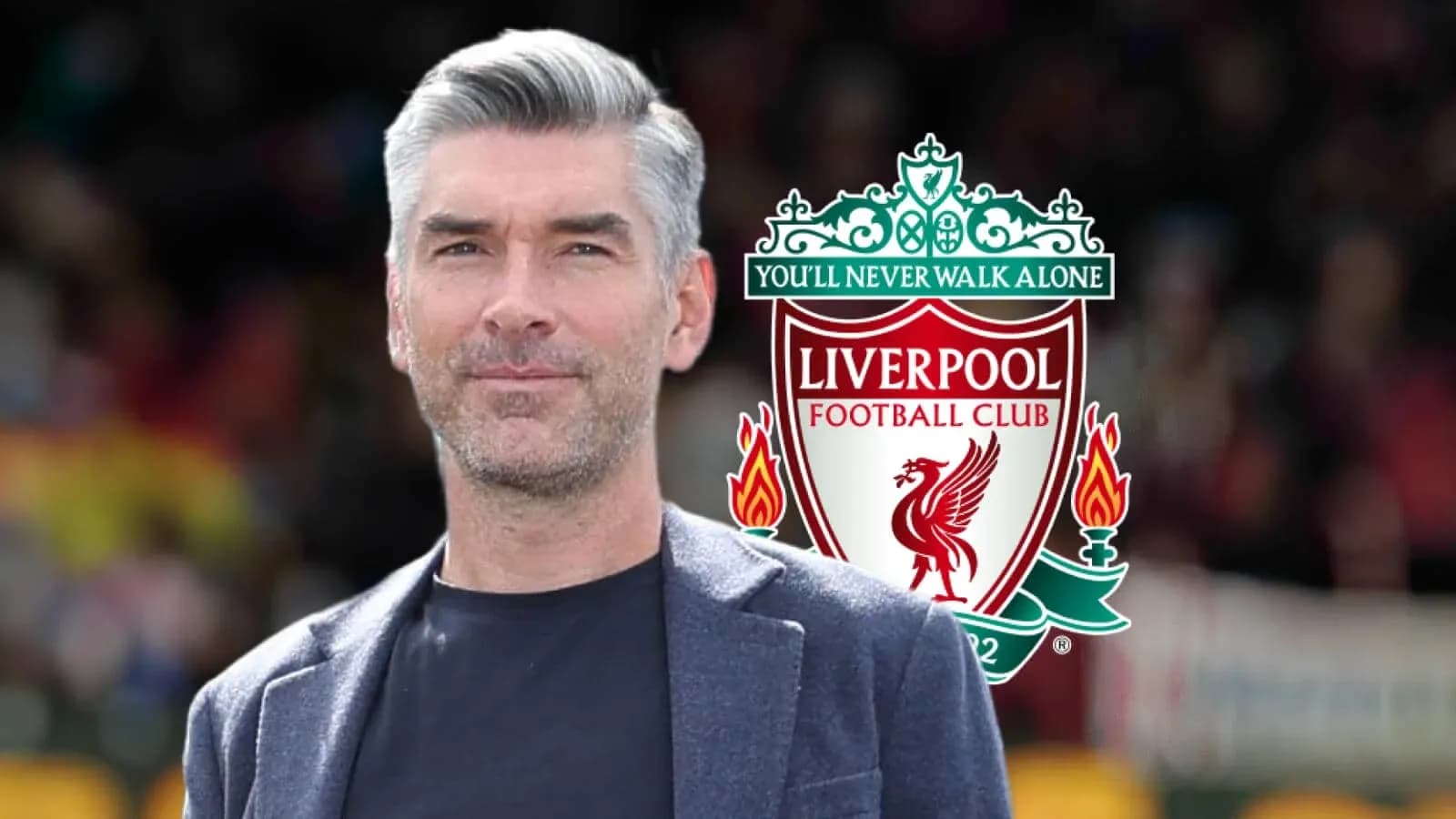
Liverpool's Transfer Window Crisis as Hughes Faces Fan Backlash
Liverpool’s summer was supposed to be about consolidation. Instead, it has descended into open revolt.
The club that swaggered to the Premier League title the season before last now finds its recruitment department being torn apart by its own supporters, with new sporting director Richard Hughes squarely in the firing line. The anger isn’t vague or abstract. It is detailed, specific, and laced with disbelief.
From statement window to silent retreat
The contrast with the previous window is doing much of the damage.
Back then, Liverpool behaved like champions. The transfer committee sanctioned a spree that felt like a declaration of intent: Florian Wirtz and Jeremie Frimpong arriving as Bundesliga winners, Hugo Ekitike plucked from Newcastle’s grasp as a pointed, almost provocative move, and Alexander Isak – at the time widely viewed as the Premier League’s standout centre-forward – added as the jewel in the crown.
Rival fans winced. Many had Liverpool down as champions before a ball was kicked. On paper, it was ruthless squad-building.
The reality that followed was far messier, but the ambition was clear. Liverpool were acting like a superclub.
This summer, that sense of purpose has evaporated.
Key players have been moved on without obvious replacements. Even highly rated youngster Stefan Bajcetic has gone. Behind the presumed first-choice midfield three, supporters are asking a simple question: who is left? Who actually plays?
And then there is Mohamed Salah. Everyone knew his departure was coming. Liverpool had the better part of six months – longer, in truth – to plan for life after a generational forward. The hole remains unfilled.
The search for a defensive midfielder, a glaring need in a system that asks its full-backs to attack like wingers and defend like a memory, has turned into a running joke among fans. So has the hunt for wide players. The names are familiar now: Bradley Barcola, Yankuba Minteh, Ismaila Sarr. The deals are not.
The window is ticking away and Liverpool, in the words of one furious supporter, are “running like headless chickens”.
Hughes under the spotlight
Hughes has become the lightning rod.
Supporters point out that from video game obsessives to ex-players, from pundits to the current captain, there is broad agreement on what Liverpool need: a holding midfielder and two wingers. The basics. The spine and the width of a title-chasing side.
Instead, the club’s business has felt scattergun. One fan, writing from Mumbai, argued that in any other high-paying role, such failure to address core responsibilities would see a senior executive removed. “Get out of our club,” he wrote, calling for Hughes and his decision-making team to go, while praising Victor Muñoz as the kind of low-key, high-upside signing Liverpool once made their trademark.
That is the paradox. The club that built its modern success on sharp, strategic recruitment now looks unsure of itself. Last summer’s heavy outlay, and the mixed return that followed, seems to have spooked those in suits. The response has not been a reset, but a retreat.
Another long-time fan, writing from Limerick, captured the mood: Liverpool knew Salah was going. They knew the midfield lacked protection. They knew the full-backs were exposed. The season has already started, yet the club is still “flapping around” for solutions while Arsenal, Manchester City, Chelsea, Tottenham and Aston Villa push forward with what he calls “decent and improving work” in the market.
Liverpool, by contrast, are standing there “with our proverbials in our hands”.
Manager handicapped, expectations lowered
The knock-on effect is brutal for the new head coach, Andoni Iraola.
Supporters see a manager sent into battle without armour, let alone artillery. The midfield remains porous, the back line exposed. The Newcastle game, early as it was, felt to many like a continuation of the same structural flaws that plagued last season.
Some fans have made a deliberate decision: the manager is off-limits. The blame lies elsewhere.
One self-confessed shouter at the television, a man who once questioned “almighty Kloppmeister”, now refuses to direct his anger at the dugout. If opponents slice through Liverpool’s midfield in the coming months, he will look to the directors’ box, not the technical area.
That, in itself, is a significant shift. When supporters stop expecting and start bracing, the atmosphere changes. One Liverpool fan has already reframed the season in stark terms: either Iraola conjures something close to a miracle, blending the tactical edge of Pep Guardiola, Sir Alex Ferguson and Jürgen Klopp into a shock title charge, or the club is heading for what he calls a “Spurs-like, Wenger-Arsenal like season” – competitive, occasionally brilliant, but ultimately short of the biggest prizes.
Champions League qualification, once a minimum expectation for a side that “strolled to the league”, no longer feels guaranteed to some.
A wider market, a familiar anxiety
The unrest at Liverpool sits inside a broader, uneasy market.
At Aston Villa, supporters are wrestling with their own version of the same fear: are we strengthening ourselves, or a rival? Morgan Rogers has been sold to Chelsea for what even his own fans describe as an inflated fee, but he is a game-changer on his day and carries the English premium. Influential set-piece coach Austin MacPhee has gone too, his fingerprints still visible on key goals like Youri Tielemans’ strike in the Europa League final.
Emi Martínez has not left yet, but the arrival of Zion Suzuki and Chelsea’s glaring need in goal has Villa fans braced for the worst. Losing the World Cup winner, twice recognised by FIFA as the best goalkeeper in the world, to a direct rival would feel like a handover of power.
In return, Villa are being linked with Alejandro Garnacho and Nicolas Jackson. One supporter sees Garnacho as another Jadon Sancho – high on hype, low on guarantee – and questions the logic of paying around double what Chelsea originally spent on Jackson. “The maths ain’t mathing,” he writes, warning that a club with Champions League ambitions cannot keep arming those they are trying to catch.
The lesson is clear and it echoes loudly at Anfield: get your own house in order before you start funding anyone else’s rebuild.
United fans, strangely at ease
Across Manchester, the mood is oddly calmer.
Manchester United, under Michael Carrick, have ripped up their midfield and started again. It has already cost them – the defeat to Hull exposed teething problems, with one fan urging Carrick not to deploy Youri Tielemans in a double pivot, arguing he lacks the legs for it and should instead rotate with Bruno Fernandes.
Yet there is patience. United are back in the Champions League. The squad feels more likeable. Marcus Rashford is back and, supporters hope, ready to be rebuilt. A left-back and a back-up striker before the window closes would be nice, but there is no illusion of an instant title charge. Progress, not perfection, is the watchword.
Even the looming milestone of turning 40, as one fan in New York noted, can be softened with a team that at least gives you something to look forward to at the weekend.
The stakes at Anfield
That is precisely what Liverpool fans fear losing: that sense of anticipation.
They have lived the high point. They have seen a team that did not just win, but overwhelmed. They watched a club out-think and out-manoeuvre richer rivals in the market.
Now they see a sporting director they do not trust, a committee they believe has “handicapped the manager”, and a squad with obvious, unaddressed flaws as the season kicks on.
The clock is ticking on the window. The names keep swirling: Barcola, Minteh, Sarr. The deals do not land. The anger sharpens.
Liverpool have been here before, on the brink between eras, one great side fading while the next is still only an idea on a whiteboard. This time, the margin for error feels slimmer, the competition fiercer, the scrutiny harsher.
The question is no longer whether the club can find value in the market. It is whether those in charge still know what they are building – and how long supporters will tolerate a project that suddenly looks as if it has lost its way.