Lungi Ngidi's Injury Woes: South Africa's Fast Bowling Crisis
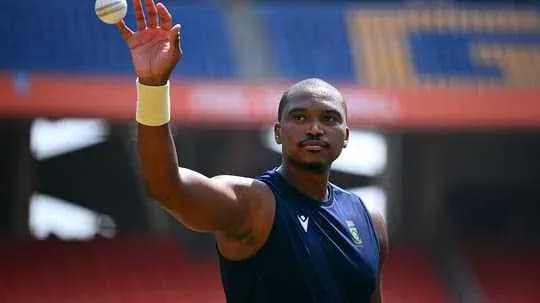
Lungi Ngidi has limped into a club no fast bowler wants a membership card for. South Africa’s growing union of broken quicks has added another name to the list, and once again the culprit is the same small strip of muscle that can wreck an entire season.
On Friday, CSA confirmed that Ngidi has been ruled out of the ODI series against Australia, which starts at Kingsmead on Thursday. The diagnosis is depressingly familiar: a hamstring injury. He joins Kagiso Rabada, Ottneil Baartman and Lutho Sipamla on the treatment table with the same problem. Only Nandré Burger is different, sidelined after aggravating a long-standing back issue.
Four fast bowlers, one recurring theme.
A pattern South Africa didn’t need
This isn’t random bad luck, says Shuaib Manjra, CSA’s former chief medical officer and long-time national men’s team doctor. There’s a rhythm to these breakdowns.
“It’s not surprising, because if you look at any sport there are two peaks in hamstring injuries — the beginning of the season and the end of the season,” Manjra told Cricbuzz.
At the start of a season, players go from relative rest to full throttle. Workloads spike. Movements sharpen. Bodies that have eased off suddenly have to sprint, twist and explode again. At the other end of the calendar, tired muscles simply give way. Fatigue does what overtraining can’t always finish.
“They go into the season and it’s high impact stuff, and they get injured because they’re not accustomed to it. Towards the end of the season it happens because there’s muscle fatigue and that causes it. So it’s not surprising.”
Ngidi’s hamstring gave out in Centurion last Friday, during the opening round of first-class matches, playing for the Titans against the Dolphins. The timing is brutal. South Africa are about to host Australia in a Test series that carries far more weight than a “relatively random” ODI contest.
CSA have not put a timeline on Ngidi’s recovery, just as they have avoided making any promises about Rabada’s availability for the Tests, which start in Durban on October 9. Silence, in this case, speaks loudly.
Tests over ODIs, every time
For a team defending the World Test Championship title — their only senior global trophy — the red-ball clashes against Australia dwarf the one-dayers. South Africa beat Pat Cummins’ side in the WTC final at Lord’s in June last year. That win reshaped their identity. Protecting that crown now defines their season.
So a five-second clip of Rabada bowling off a shortened run-up, posted on his social media accounts on Wednesday, has taken on outsized meaning. It’s not express pace. It’s not match intensity. But it is movement. It is rhythm. For South African fans, it’s a sliver of hope.
The reality, though, is harsher. Rabada hasn’t played any form of cricket since May. Burger last turned out in June. Sipamla only bowled again last month after being out since July. Baartman, too, had been missing from the field since July until his recent return. These are not niggles you run off in a net session.
Fast bowlers returning from injury need overs, not just fitness tests. They need to feel the weight of the ball through spells, across days. They need what the old hands call “overs in the legs”. When the hamstring has already failed once, that process becomes even more delicate.
“The other risk for a hamstring injury is a previous injury,” Manjra said. “You’re more likely to pick up another injury if you go back too early.
“Doctors have a saying that the highest risk of an injury is a previous unrehabilitated injury. So we have to ensure that the player is fully rehabilitated, otherwise they are vulnerable.”
Ngidi’s different dilemma
Ngidi’s case cuts across the neat pattern. He hasn’t been idle. From August 27 to September 6, he played six ETPL games for Glasgow Cosmic, sending down 120 of a possible 144 deliveries. That’s a solid but not excessive workload. Enough to suggest he was match-hardened rather than undercooked.
Yet the hamstring still went.
There is an argument that his decision to play franchise cricket so close to the South African season might have contributed to the injury. Instead of a carefully managed pre-season, he was earning his living in another league. For some, that’s a misstep.
The counter is simple and blunt: who makes up the money if he stays home? Ngidi is a professional fast bowler in a short, fragile career. Turning down contracts is a luxury very few quicks have ever enjoyed.
The debate will linger, especially if he misses the Tests.
Patchwork attack, same expectations
For now, South Africa have had to reshuffle again. Nqobani Mokoena has come in for Ngidi in the ODI squad. Gerald Coetzee replaces Rabada. Duan Jansen steps in for Baartman. Sipamla and Burger were not in the original one-day selection, but their injuries mean they are no longer even in the queue to be called up.
Marco Jansen will lead the ODI attack, with Corbin Bosch and teenager Kwena Maphaka also in the frame. It is a group rich in promise, but light on caps and scar tissue.
The Tests against Australia, though, will not wait for hamstrings to heal or workloads to settle. South Africa’s title defence in the longest format is already being shaped not by selection meetings or tactics boards, but by MRI scans and rehab schedules.
How long can a champion fast-bowling unit keep its edge when the treatment room is busier than the dressing room?