Luton Town's Frustration Over VAR Calls After Stevenage Defeat
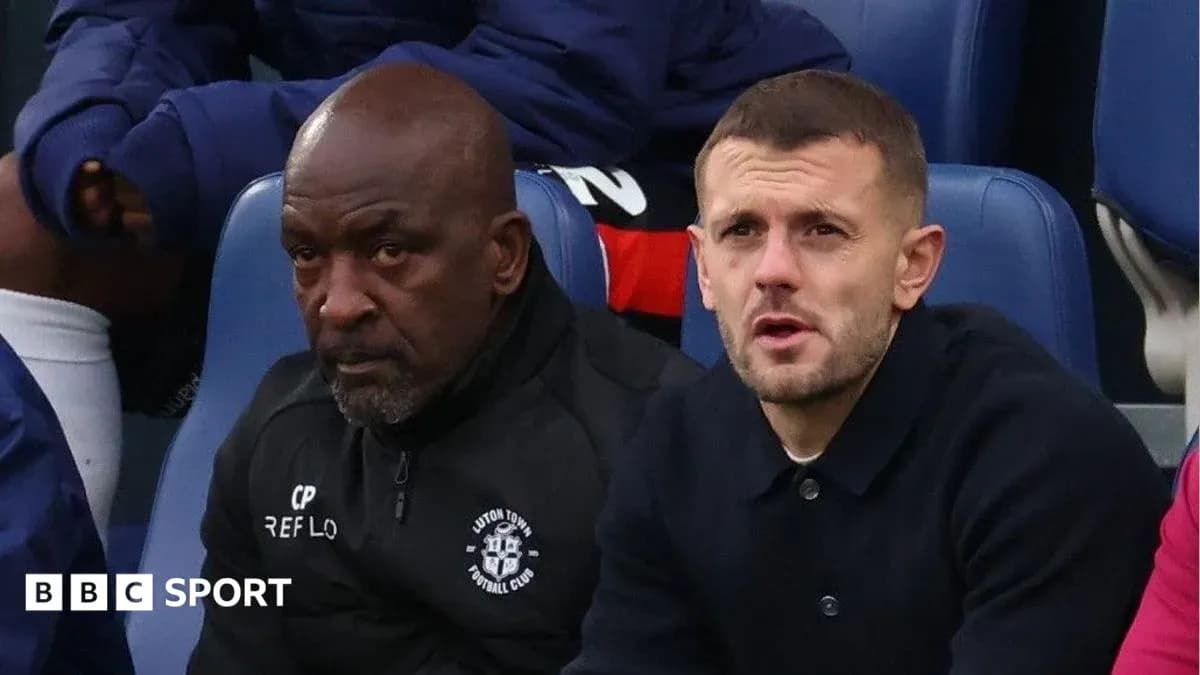
Luton Town left Broadhall Way with nothing but frustration and a sense of injustice, as assistant manager Chris Powell branded the two goals they conceded in a 2-1 defeat at Stevenage “a case for VAR” in League One.
The night boiled over when Hatters boss Jack Wilshere was sent off, dismissed for his furious protests over Stevenage’s opener. Luton were adamant the goal should have been chalked off for a foul on Liam Walsh before Dan Kemp swept the ball home.
Wilshere’s red card means he will be banned from the dugout when Bradford City visit Kenilworth Road on 19 September, a flashpoint that underlined just how raw the sense of grievance felt on the away bench.
Contentious calls and costly moments
Luton, who have now won two, drawn two and lost two of their opening six league fixtures, saw the game tilt away from them on decisions they simply did not accept.
Speaking to BBC Three Counties Radio, Powell was adamant the first goal should never have stood, insisting Stevenage midfielder Dan Phillips had clearly fouled Walsh in the build-up.
“Everyone in the stadium is expecting the referee to blow, I know you shouldn’t stop,” he said, still bristling at the memory. He described it as a “blatant” foul, and said the replays only underlined what the Luton staff had seen in real time.
The anger did not stop there. When Josh Magennis doubled Boro’s lead, Powell said Luton were again on the wrong end of a major call, this time for what he called a “clear offside”.
“They’ve scored two goals and won a game when actually they’ve had a helping hand,” he said. The sense from the Luton camp was simple: this wasn’t just about a narrow defeat, it was about trust in the process.
A fightback falls short
The injustice seemed to jolt Luton into life. Kasey Palmer dragged them back into the contest, his effort deflecting in off Mads Andersen to halve the deficit and give the away end something to cling to.
Momentum shifted, the noise rose, and Stevenage suddenly had to hang on. Alex Revell’s side did exactly that. They dug in, absorbed the pressure and saw the game out to climb to fourth in the early League One table, while Luton’s stop-start campaign left them sitting eighth.
For Powell, the performance of the officials remained the defining storyline.
“I get it, referees have a tough job. But surely there is an argument for VAR at this level,” he said. “It can cost teams points, it can cost people jobs.”
He acknowledged the reality of the referee’s lot – “They get a split second, we have the advantage of seeing it again – they don’t” – but that sympathy only stretched so far. With four officials plus an assessor involved, Powell felt those key moments had to be handled better.
“You just hope that the way they work, there are four of them, with the assessor, that they make these decisions. It’s just a tough one to take,” he admitted.
Luton now face the next fixture without their manager on the touchline and with a simmering sense that technology, not just temperament, is creeping into the debate in League One. If nights like this keep stacking up, Powell’s “case for VAR” will only grow louder.