Man City's Legal Verdict Resonates Beyond Football, Impacting UK-UAE Relations
Man City Chairman Stands Firm Amid Financial Breach Allegations
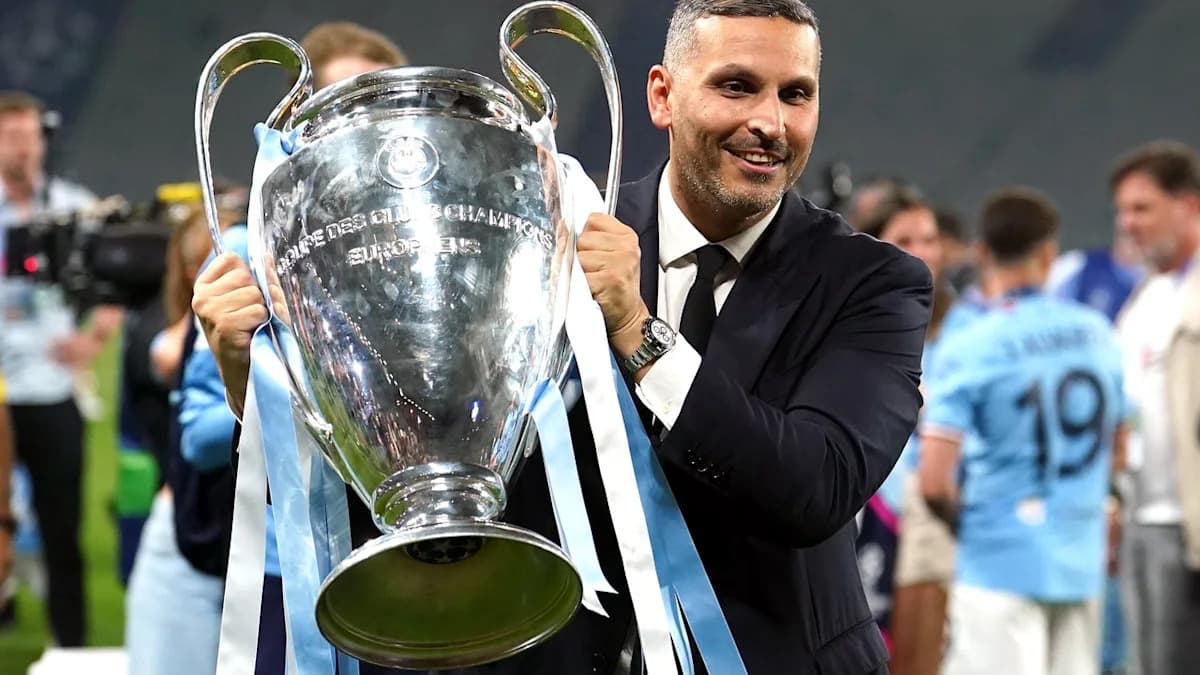
Khaldoon Al Mubarak, chairman of Manchester City, publicly defended the club after reports suggested it could be found guilty of breaching Premier League financial rules. Despite the anticipated verdict against the club, Al Mubarak addressed supporters with a confident message, reaffirming the club's innocence and highlighting the personal stakes involved for Abu Dhabi interests.
A Statement Marked by Confidence and Defiance
In a letter released following Friday's revelations, Al Mubarak emphasized the club's determination to prove its innocence. He referred back to earlier statements made when the charges first emerged in February 2023, which described a "comprehensive body of irrefutable evidence." The pending outcome, however, indicates much of this evidence was disputed by the independent panel.
He also noted, "There remain many who want to undermine the momentum of our club. We will not give them that opportunity," signaling a refusal to yield despite the challenges.
Political Overtones Extend Beyond Football
The case's implications stretch beyond the pitch into geopolitics. Al Mubarak is not just a football executive; he wields significant political influence in Abu Dhabi. Reports have linked his stance to broader UK-UAE relations, with historical context including UAE threats to block billion-pound arms deals over political disputes during David Cameron's tenure.
Known as a skilled negotiator and respected statesman, Al Mubarak has balanced charm with firmness, evident in his past comments about legal battles with UEFA and his role navigating complex situations tied to the club and the UAE government.
Background and Influence of Khaldoon Al Mubarak
- Son of former UAE ambassador to France, Khalifa Ahmad Mubarak, assassinated in 1984
- Part of a generation educated abroad to build Abu Dhabi's intellectual base
- Holds major positions: chairman of Executive Affairs Authority, CEO of Mubadala wealth fund, and chairman of Man City
- Seen as the most influential non-royal figure in the UAE
This background informs how the club operates as an extension of UAE's interests, mirroring geopolitical strategies seen in other areas like Sudan and Libya. Al Mubarak’s presence at City signals the club’s strategic importance to Abu Dhabi.
Potential Fallout from Negative Verdict
If the verdict confirms guilt, Sheikh Mansour, owner of Man City, could face serious reputational damage. Political insiders speculate about possible impacts on his standing within Abu Dhabi. Discussions around removing key club officials, including Al Mubarak, have surfaced, though sources suggest such a move is unlikely given his stature.
Unprecedented Scale and Implications
The case stands out due to both its size and geopolitical weight. No similar case in European football has reached such a level where state reputations are at stake. This intertwining of sport and international politics makes the situation unique.
Abu Dhabi’s investments extend beyond football, touching private equity and city partnerships, with Manchester’s former mayor Andy Burnham praising UAE involvement. Though the Premier League's process remains independent, these factors contribute to a perception that influence and power play significant roles.
Surprising Resolve Amidst Setbacks
Many were shocked by the number of charges upheld against a club with access to state resources. Yet Al Mubarak’s steadfast confidence remains striking, reflecting a blend of political savvy and personal commitment to the club and the UAE’s image.