Manchester Derby Drama: VAR Controversy and Emotional Impact
At Old Trafford, the roar never quite arrived. It got stuck in people’s throats, trapped somewhere between the net bulging and a raised flag, then swallowed altogether by a screen and a headset.
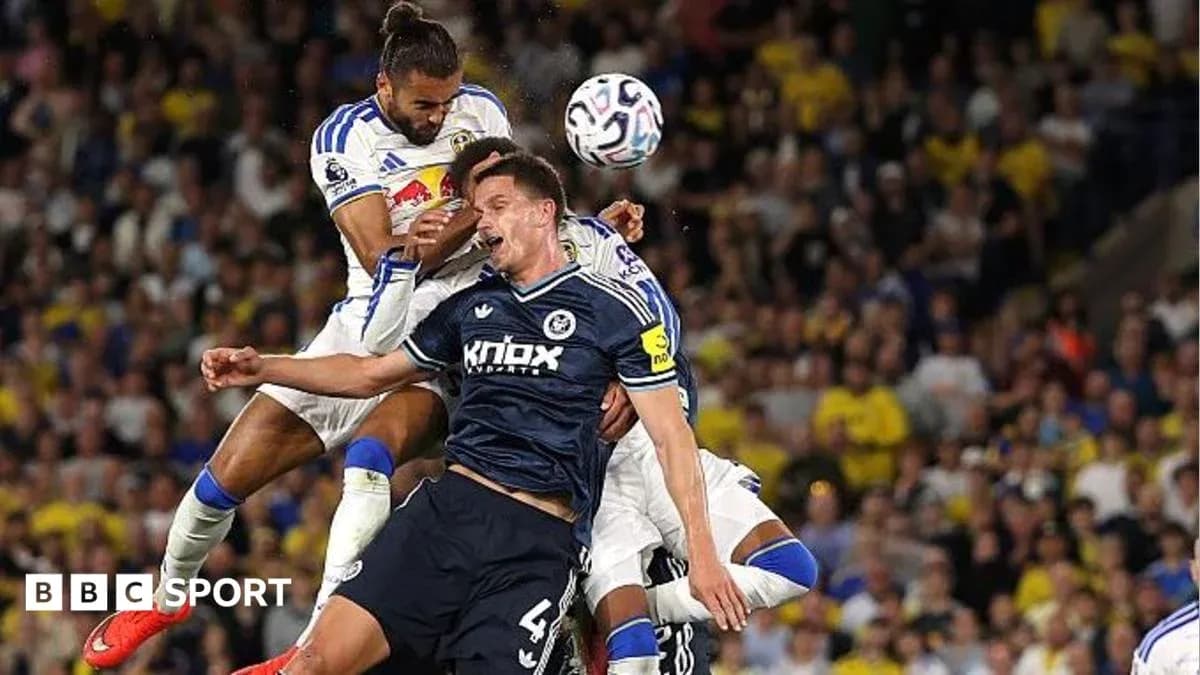
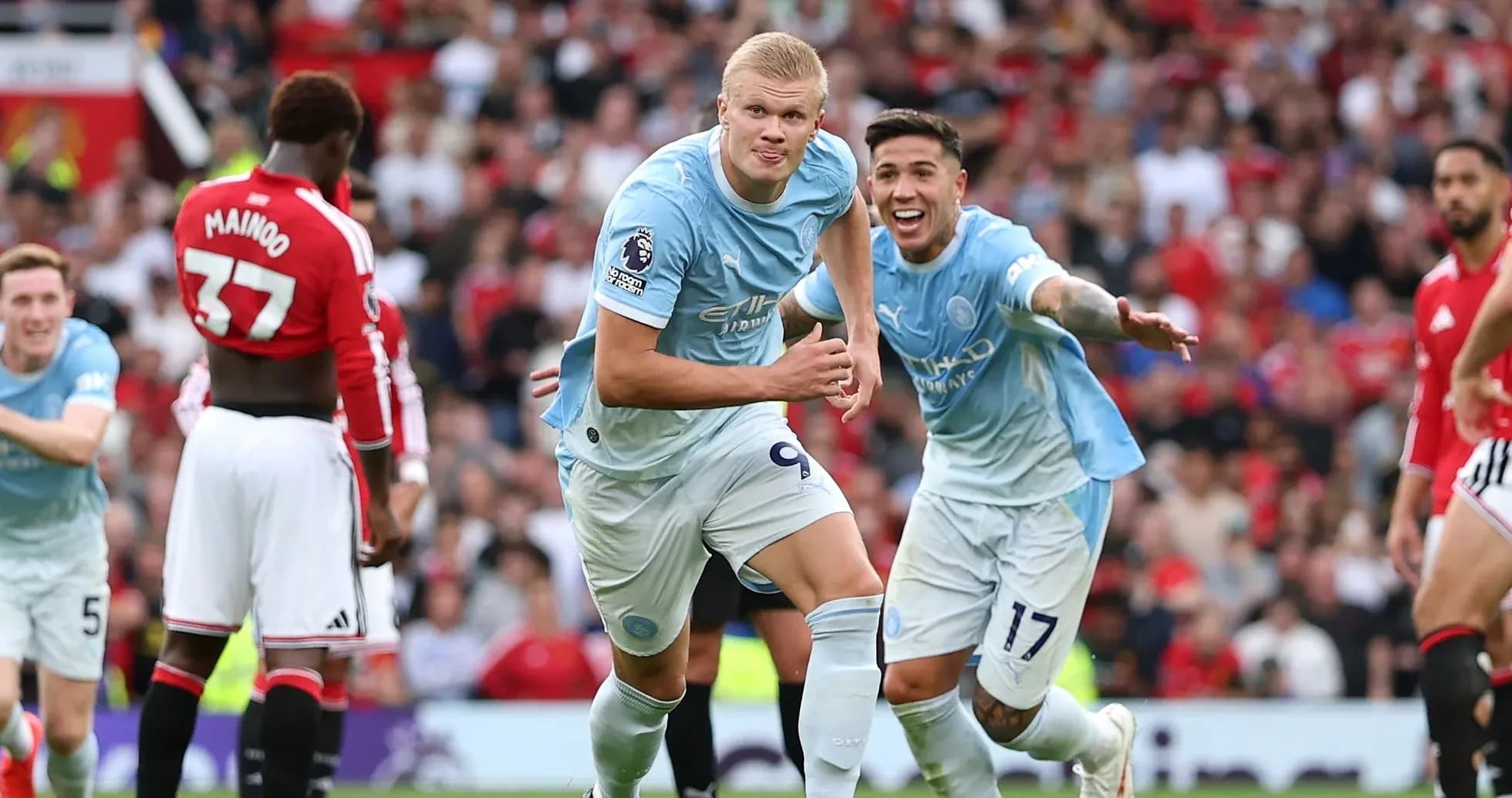
The latest Manchester derby will be remembered less for Erling Haaland’s winner and more for the cold, clinical intervention that allowed it to stand. A 60th-minute tap-in from a Josko Gvardiol cross, first ruled out for offside, then dramatically revived by VAR. One decision. One reversal. And a storm that has not stopped since.
A Goal, a Flag, and a U-Turn
In real time, it looked simple. Gvardiol’s ball, Haaland’s finish, the assistant’s flag. Old Trafford exhaled. The red half of Manchester believed it had been spared.
Then came the delay. The familiar, joy-killing pause. Lines on a screen. Angles. Replays. The Premier League Match Centre quickly backed the VAR call on social media, insisting Haaland had been onside and that Enzo Fernandez, in an offside position, had not played the ball.
The goal stood. Manchester City celebrated. Manchester United fumed. The law, once designed to be understood in a split second by anyone in the stadium, had again become something that needed a seminar and a slow-motion breakdown.
Within 24 hours, the entire narrative flipped.
The Professional Game Match Officials body privately contacted United to admit an "error of judgment" in allowing the goal. The officials’ organisation later accepted that VAR had "not recognised the likely impact" of Fernandez’s position and should have sent the referee to the pitchside monitor for an on-field review.
The pressure finally told. The decision that swung a derby was, in effect, withdrawn after the fact. The points, of course, were not.
Schmeichel’s Fury at a Game He Barely Recognises
For Peter Schmeichel, a man who once ruled this stadium from his six-yard box, the episode cut deep.
Speaking on Viaplay, the former United goalkeeper did not bother with diplomacy. He went straight for the heart of the issue: the game, he believes, is being drained of its soul.
"I wish that we could scrap VAR," he said. Not tweak it. Not refine it. Scrap it.
In his eyes, the balance of power has shifted in a way that should alarm everyone who loves the sport. "We've got into a system now where VAR and the referees are the most important people in football. It sucks all the energy out of it. As soon as there is a goal, you're not allowed to celebrate."
That last line will sting for anyone who has stood on a terrace and felt that split-second of pure, unfiltered release. The moment when the ball hits the net and nothing else matters. Schmeichel’s argument is simple: that moment is dying.
He pointed to the scene after the Haaland decision. The delay. The confusion. The muted, half-hearted celebrations once the verdict finally arrived.
"We saw after five minutes, the players and the fans could celebrate -- but it's not the same," he said. "The ball goes in the back of the net, it's a goal, but then the linesman puts his flag up for offside."
The rhythm of the game, the emotional heartbeat of a stadium, is being replaced by hesitation and suspicion. Is it a goal? Is it offside? Did someone’s shoulder, knee or shadow interfere?
"I wish, and I'm longing for these days, we could scrap VAR because it's such an annoyance and it's interfering with football. And it hasn't made it better."
That last sentence lands like a verdict. Not a plea. A conclusion.
Neville Lost in the Laws
Schmeichel was not alone. On co-commentary for Sky Sports, Gary Neville watched the same incident and reached a different kind of breaking point.
Neville has seen enough derbies, enough offside calls, enough controversies to be hard to shock. But this one left him staring at the law itself, not just the people applying it.
"I'm going to need the offside law explaining to me, because that has lost me, I have to say," he admitted during the broadcast.
This was not a throwaway line. It spoke to something more serious: if a former Premier League defender, who lived the offside trap for a living, cannot follow the logic, what hope does anyone else have?
Neville predicted, live on air, that PGMOL would end up walking the decision back. By Sunday evening, that is exactly what happened. The officials’ body essentially confirmed what he and others had argued: Fernandez’s position and involvement should have triggered a closer, on-field look.
The law may not have changed, but the confidence in its interpretation took another hit.
A Technology Under Siege
What happened in this derby was not an isolated mistake. It became a symbol.
The admission from the referees’ organisation did not calm the debate; it inflamed it. If anything, it gave fresh ammunition to those who believe VAR has outgrown its original purpose and is now reshaping the sport in ways nobody truly wanted.
The technology arrived with promises: fewer "clear and obvious" errors, more fairness, greater accuracy. What it has delivered, in moments like this, is something far more uneasy. A game that feels correct on a technical level, yet wrong in the gut.
For supporters like those at Old Trafford, and for voices as powerful as Schmeichel’s, the cost is now too high. The checks are too long. The celebrations are too cautious. The laws, written for the naked eye, are being dissected frame by frame until they barely resemble what players and fans instinctively understand.
As the fallout from Haaland’s goal rumbles on, the Premier League faces a stark question. Does it double down and refine a system that keeps tripping over its own complexity, or does it accept that, somewhere along the way, the game’s most precious commodity has been lost?
Not accuracy. Emotion.