Manchester United's Struggles: A Season of Frustration
The week Manchester United stopped pretending everything was fine did not unfold at Old Trafford. It unravelled in Como.
A flat, fragile team conceded early yet again, slid to another defeat, and stretched a joyless start to the season into something darker: their worst run of form since 2014-15. Seven games without a win in all competitions. One clean sheet all season – against Sabah in the Champions League back on September 10. A side that once ran over Chelsea, Arsenal and Manchester City now looks second best to almost everyone.
The results were only half the story.
For the second straight week, a senior player walked off the pitch and spoke like someone who had seen enough. Lisandro Martinez had already questioned the club’s ambition and hierarchy. This time it was the captain, Bruno Fernandes, turning the spotlight on Michael Carrick and his staff, challenging tactics in public. The kind of interview that makes a manager’s ears ring.
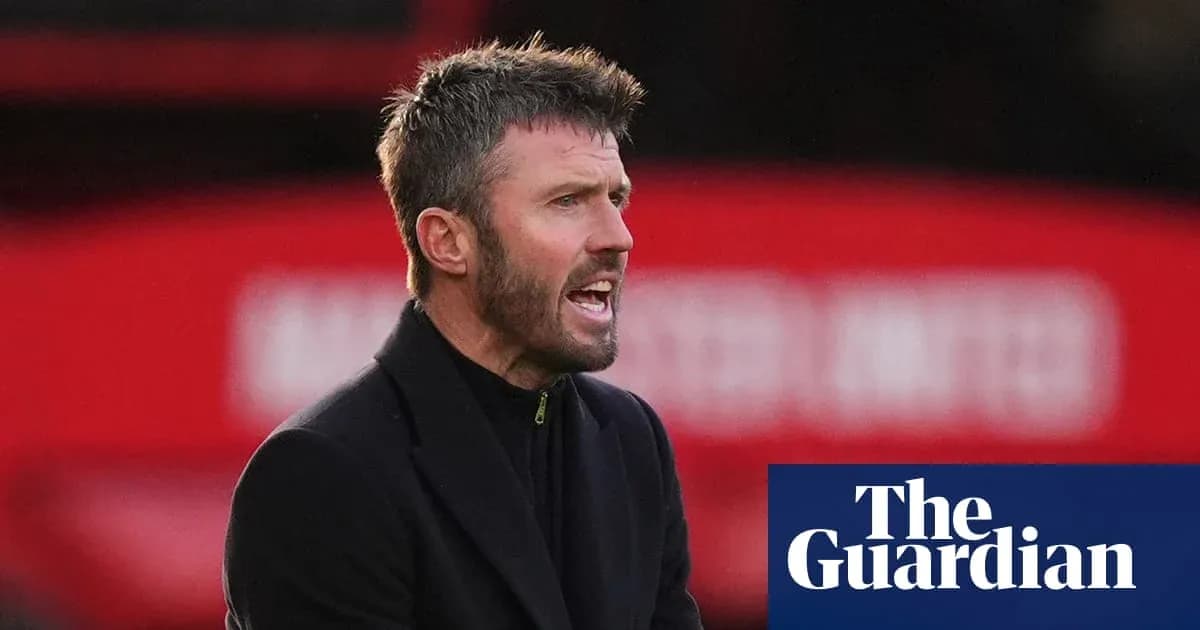
By Friday afternoon, Carrick arrived for his pre-match press conference and delivered an extraordinary five-minute monologue. Emotional. Pointed. It sounded less like a preview and more like a message beamed straight into the dressing room: humility, humbleness, a reminder of standards he feels have slipped inside Carrington.
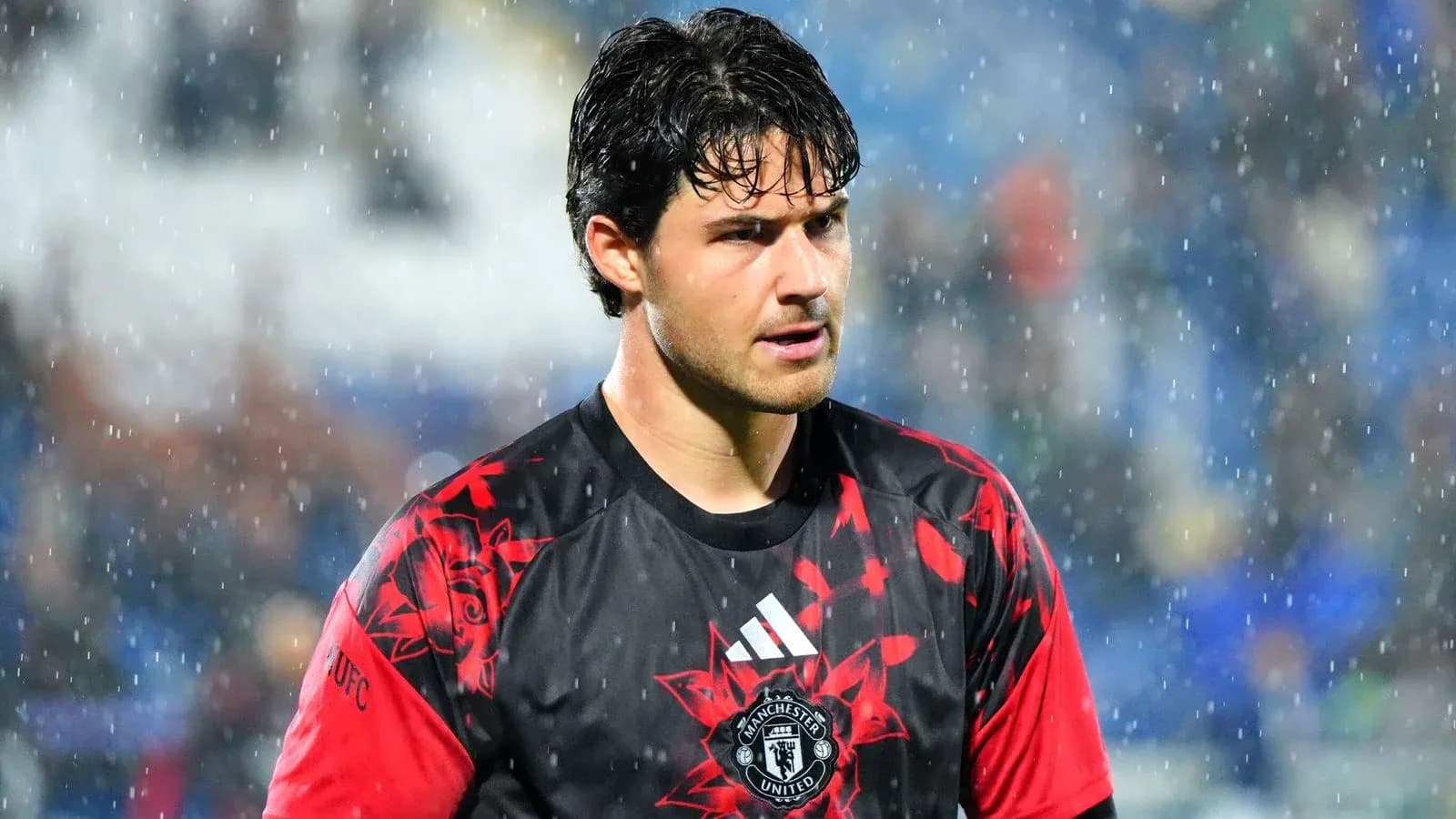
So when United’s No 1 goalkeeper Senne Lammens sat down to talk, there was only one place to begin.
Is this changing room still united?
“For me personally, I think it is,” he said.
He didn’t duck the tension. He didn’t pretend the scenes after games don’t look ugly. Players frustrated. Words thrown out in the heat of the moment. “I get it, I'm very frustrated as well because we all really want to do better and we all want to win and then we might say sometimes things we don't really mean or fully explain what we mean.”
The outside world sees the flashpoints. It doesn’t see the training ground. That, Lammens insists, still backs the manager.
“I can assure you that we're doing everything we can and we're all together behind the coach, as a staff, players, front office. Everyone knows, of course, they have to do better, but I think we are united and we are trying to get better as a team and together.”
United’s problem is that the evidence on the pitch keeps screaming the opposite.
In Como, they conceded within the first few minutes. Again. The same pattern had played out a week earlier against Atletico Madrid, when they were breached 60 seconds even earlier. Either side of the international break, they started slowly against Fulham and Spurs as well. Different opponents, same flaw.
“It’s difficult,” Lammens admitted. “You can try to come up with plans and tactics, but if you get a goal against in the first or second minute, it kind of screws up a little bit your game plan and you're kind of chasing the game from then on.
“That's probably one of the biggest things we need to work on right now, to keep ourselves in the game and to try and get that first goal ourselves, instead of being 1-0 down straight away.”
The criticism has been brutal: soft starts, no aggression, no intensity, not enough running. Carrick, usually quick to protect his players, didn’t bother to shield them after the Como defeat. He agreed with much of what has been thrown at his side. He has seen the same things: a team that once hunted the ball now drifting through games.
Those three missing traits – aggression, intensity, running – are precisely what defined his first five months in charge. United beat Chelsea, Arsenal and Manchester City by playing like a side with something to prove. They pressed, they countered, they fought.
So what has actually changed?
Lammens’ answer was revealing. He doesn’t believe the football itself has collapsed.
“Last season I felt like, playing-wise, maybe we played sometimes better this season, but last season everything just clicked and went the right way for us,” he said. “We struggled as a team together when they pressed us, but we didn't concede that many goals, and then I think as a counter team a bit more last season we did really well.”
United knew that version had a ceiling. Opponents would adjust. Sitting deep and breaking was never going to be enough.
“So that's why we had to evolve this season and in preseason, we tried to do some different things to get us in the best position to win games.”
The evolution has been painful. In trying to become a better team with the ball, United have lost some of the bite without it.
“I think we need a little bit more like last season, the way we fought together, even when it wasn't going the best and just trying to fight as a team and defend as a team,” Lammens said. “I think that's probably something we need to try to get back to.”
It’s not just tactics. It’s mindset. Ask any supporter who has trudged away from Old Trafford this season. They’ll talk about numbers, running stats, duels lost. They’ll talk about a side that doesn’t look like it’s fighting.
Lammens hears that too.
“I get it, I see people talking about numbers and maybe stats and data, I'm not sure about that, because every game is a little bit different,” he said. “I think, like I said, with the ball we try to do a bit of different things, try to improve, because last season we weren't always the best with the ball. I think we have improved in those sort of things, but maybe the mindset of having the ball and trying to play around has that mindset of when you don't have the ball and try to fight for it the way we did last season.”
That’s the tightrope United are wobbling on: how to be calmer in possession without going soft out of it.
“We need to get a bit of both. It is a fine line, to be honest, that aggressiveness. When you don't have the ball and when you have the ball, you want that calmness, that being able to play from the back and being able to play through the press. I think it's just finding that fine line in ourselves.”
For all the noise – the pointed interviews, the tactical debates, the narratives Lammens knows are swirling around this squad – one line cut through his answers.
“You only need one performance to turn it around,” he said. “And I think that's what we're trying to aim for and what we're working really hard on right now.”
It has been a bruising week at Manchester United. A captain questioning the coaches. A manager delivering a public sermon on humility. A run of form that drags the club back to the bleak days of a decade ago.
Yet in the middle of it, their goalkeeper sat and spoke with a clarity and honesty that many in his position would avoid. No excuses. No denial. Just an attempt to explain a team caught between who they were and who they are trying to be.
Carrick will lead them into what has already been labelled a “pivotal” game against Bournemouth. The pressure is obvious. The stakes are clear.
If United are looking for voices to carry them through it, they may just have found one in Senne Lammens.