Marseille's Historic Struggles: From Champions Project to Ligue 2 Project
The banners went up long before the first whistle. By the time PSG had finished the job, the words felt less like a warning and more like a verdict.
“2016: Champions Project. 2026: Ligue 2 Project? McCourt Out.”
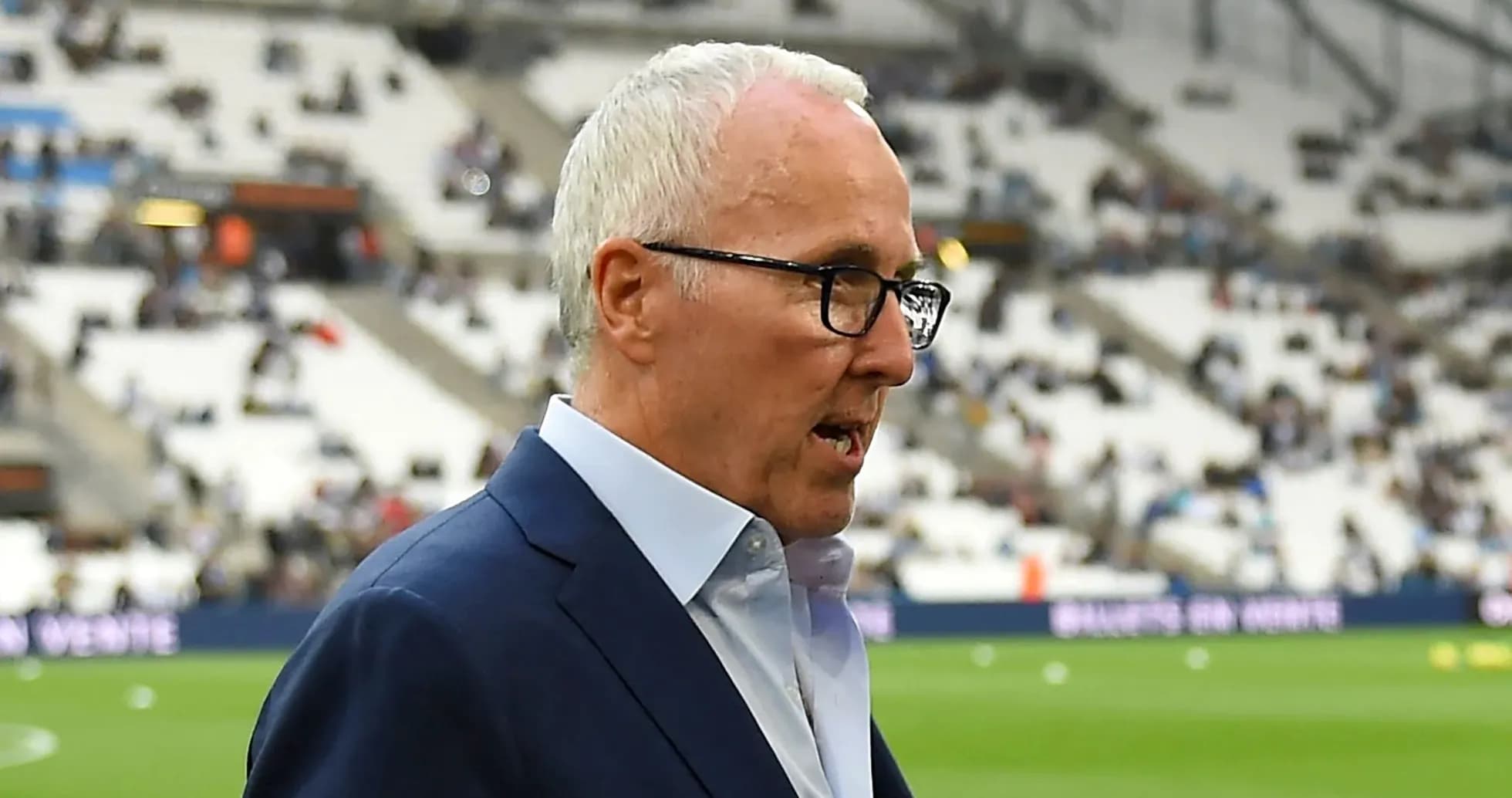
At the Stade Vélodrome on Sunday, Marseille’s supporters did not murmur their discontent; they roared it, painted it, stretched it across the stands in block capitals aimed squarely at the club’s American owner, Frank McCourt. The anger framed everything: the build‑up, the game, the aftermath of a 2-1 home defeat to their greatest rivals.
A Bitter Night, a Brutal Milestone
Losing to PSG always stings in Marseille. This one cut deeper.
The 2-1 reverse marked a fifth straight defeat in all competitions, a grim run that has now tipped over into club history. For the first time ever, Marseille have lost four of their opening five matches in a top-flight campaign. A bad start has become an unwanted landmark.
The tension that had been simmering for years finally boiled over. Each misplaced pass drew whistles. Each PSG attack seemed to drag the mood lower. By the end, the Vélodrome felt less like a fortress and more like a courtroom, with the verdict already written on those banners.
The Broken Promise of the “Champions Project”
McCourt arrived in 2016 with grand designs and a catchy slogan. The “Champions Project” was sold as a route back to the summit of French football and into the European elite. An initial pledge of €200 million over four years was supposed to relaunch OM as a modern powerhouse.
Money was spent. Players came and went. Stability never did.
What was billed as a structured rebuild has instead looked like a series of expensive short-term fixes. The squad has been repeatedly reshaped but rarely strengthened in a coherent way. There have been flashes of competitiveness, moments when Marseille threatened to rejoin the elite, but no sustained success, no lasting platform.
On Sunday, the supporters turned that marketing slogan into a punchline. The “Ligue 2 Project” taunt was not just gallows humour; it was a damning assessment of a cycle they no longer believe in.
Once Kings, Now Chasing Shadows
The contrast with what Marseille once were is impossible to ignore.
This is the club that ruled France in the late 1980s and early 1990s, the club that still clings to a unique badge of honour: the only French side ever to win the Champions League, back in 1993. The Vélodrome used to be the stage for title deciders, not early-season crises.
But the balance of power in “Le Classique” has long since flipped. The rivalry was forged in the 1990s when big names and big egos collided from both sides. Today, it feels lopsided. PSG, transformed by Qatari ownership since 2011 and now two-time defending European champions, operate on a different financial and competitive plane.
While Paris stack trophies and star power, Marseille’s honours list has stalled. No Ligue 1 title since 2010. No trophy of any kind since lifting the now-defunct League Cup in 2012. Each passing season without silverware only sharpens the sense of drift.
On nights like this, that gulf is laid bare. One club looks built to dominate. The other looks stuck in a loop.
A Summer of Restraint, a Squad on the Edge
If the long-term picture is troubling, the short-term one is even more stark.
Failure to qualify for the Champions League has punched a hole in the club’s finances, stripping away vital revenue and exposing the limits of McCourt’s backing. The result was a summer of enforced restraint. While rivals added depth and quality, Marseille’s board did not sign a single new player in the recent transfer window.
New head coach Bruno Genesio has walked into a storm with his hands tied. He has inherited a thin, tired-looking squad and a fanbase that has run out of patience. Tactical tweaks can only go so far when options are this limited.
Every injury feels like a crisis. Every selection like a compromise.
Genesio’s Impossible Balancing Act
The numbers are unforgiving. Five straight defeats. Historic lows in a club built on the idea of being anything but ordinary.
Genesio’s task is clear and colossal: halt the slide, restore belief, and somehow shield his players from the political fire aimed at the owner. He must find a way to grind out results with a group that looks short on confidence and shorter still on reinforcements.
For McCourt, the pressure is no longer abstract. It is painted on banners, sung in unison, woven into the atmosphere of every home game. The “Champions Project” has become a symbol of promises unkept. The supporters are no longer waiting politely for it to materialise.
Marseille need a result, any result, to change the narrative. Without it, the question hanging over the Vélodrome grows louder with every defeat: is this a temporary slump, or the shape of a new, harsher reality for a fallen giant?