Mauricio Pochettino's Vision for US Soccer: Beyond the World Cup
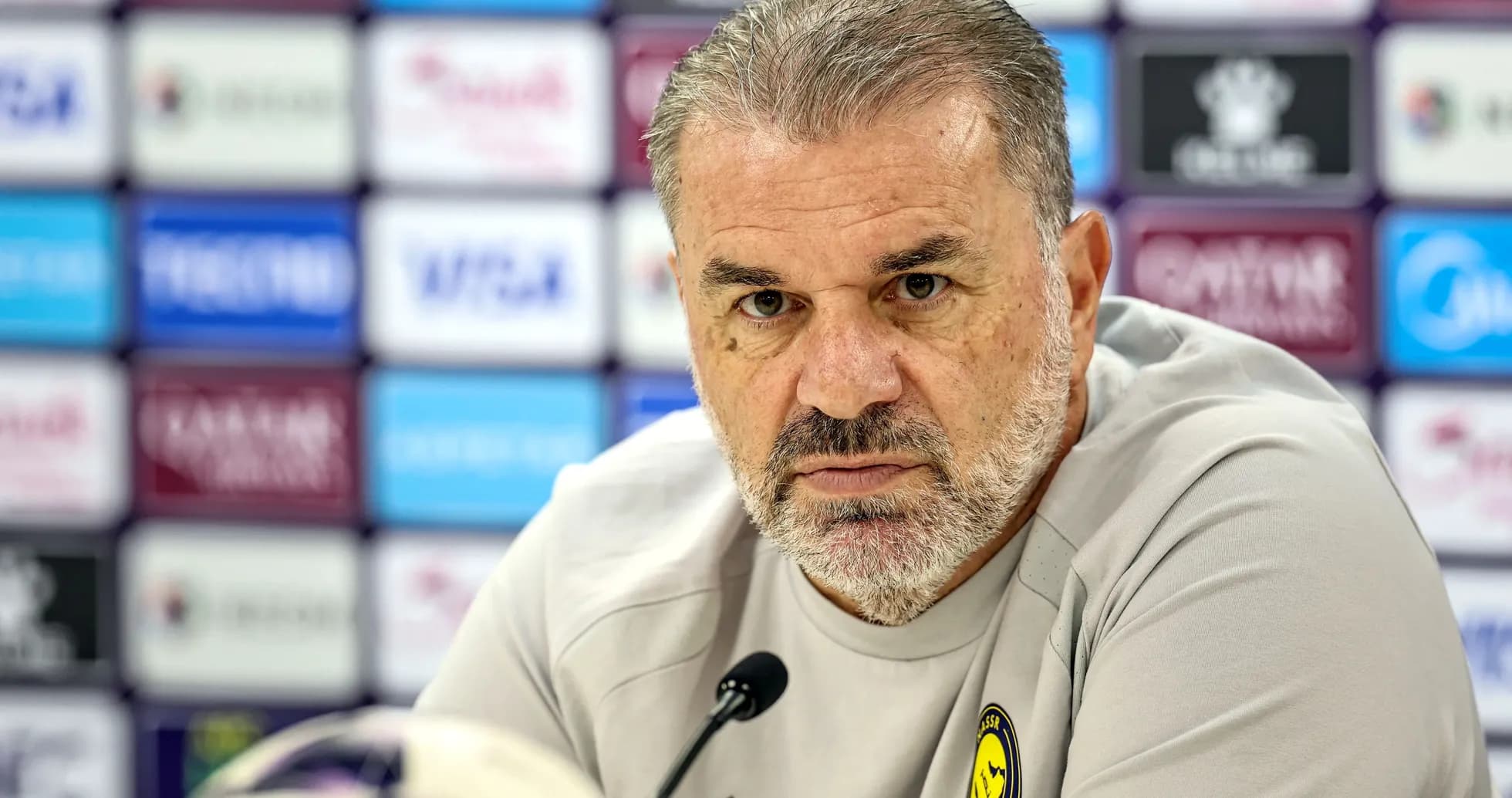
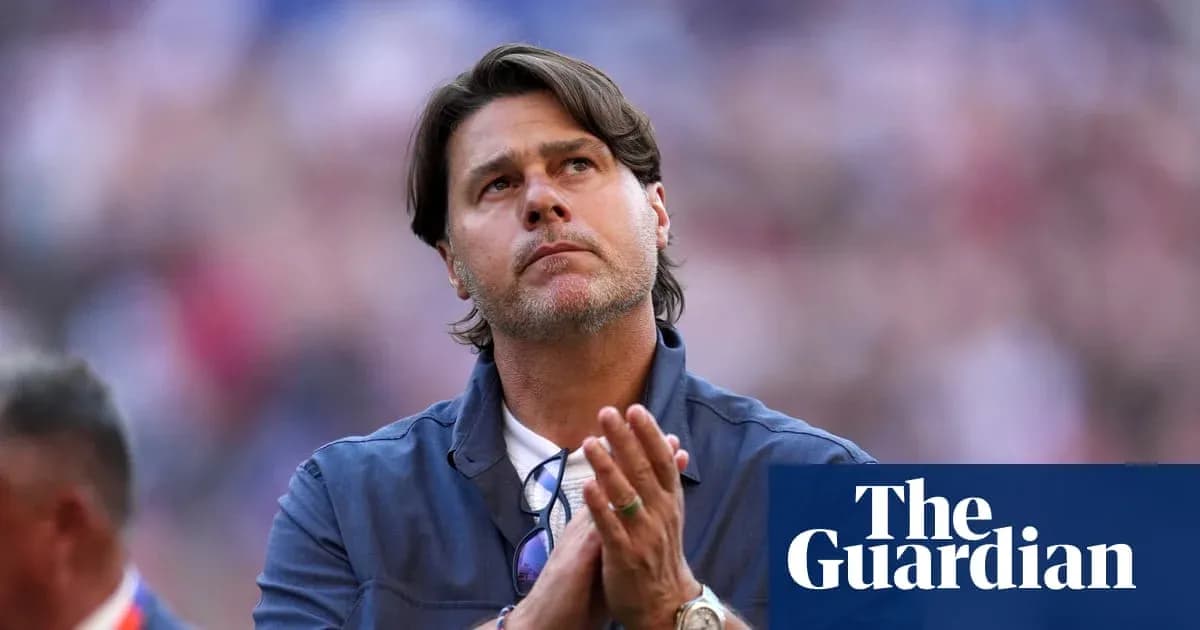
Two months after the World Cup ended in a thud for the US men’s national team, Mauricio Pochettino is back on the training pitch, looking anything but temporary.
When he arrived in 2024, the former Tottenham and PSG manager was viewed as a bridge coach: a big name brought in to squeeze the most out of a once-in-a-generation opportunity, a home World Cup for the first time in more than 30 years. The plan was short-term. The relationship didn’t stay that way.
By August, US Soccer and Pochettino had gone from trial run to long haul, finalizing a contract extension that locks him in for another World Cup cycle. The job description, though, has grown far beyond picking lineups and navigating qualifiers.
A coach who wants to leave fingerprints
Pochettino has framed his decision to stay as something more than a sporting calculation. For him, this is a chance to leave a mark on an entire footballing culture.
He has spoken about wanting “a lasting impact on the sport in the country that has welcomed us so warmly – and for that impact to extend beyond results on the field.” US Soccer’s announcement of his renewal underlined that ambition. The federation made it clear the Argentinian will take on a broader role: guiding youth development, influencing coaching education, and advising on collaboration with the professional leagues.
That kind of reach is not unheard of in international football, but in the American game it represents a clear break from the past. No US coach has ever been asked to steer the program so comprehensively.
He will not have to wait long to get involved. US Soccer is in the middle of a major restructuring and is hiring two new directors to oversee the men’s and women’s senior and youth setups. Pochettino has already offered his help in the process, while stressing with a laugh that it “can’t [just] be my guy.”
For him, this is about something bigger than the next squad list.
“This is the future of the USA,” Pochettino said. “We want to try to perform in the World Cup and to create something special with the fans. And now it’s about being a part of the legacy that the federation wants to create – becoming one of the most powerful countries in soccer. That is a dream, no? It’s amazing. If we can be part of that, we are so excited and so happy.”
The dream has a demanding schedule attached. The US will play four friendlies in late September and early October against Peru, Chile, Mexico and Canada. Those matches will offer a first glimpse of how Pochettino intends to refresh a group still stinging from their World Cup exit. They are, however, only a prelude.
Beyond qualification for the 2030 World Cup, the federation is staring at a packed calendar. The US will feature at the Los Angeles Olympics in 2028, and reports have consistently linked the team with participation in the Copa América that same summer. The margins for error, and for drift, are shrinking.
Balogun’s stalled move and a manager’s support
On the transfer front, this summer felt strangely subdued for a squad that has grown used to headlines around its young core. Gio Reyna’s move to Strasbourg, Sebastian Berhalter’s switch to Middlesbrough and Zavier Gozo’s jump from MLS to Crystal Palace stood out, but many of the World Cup squad stayed put.
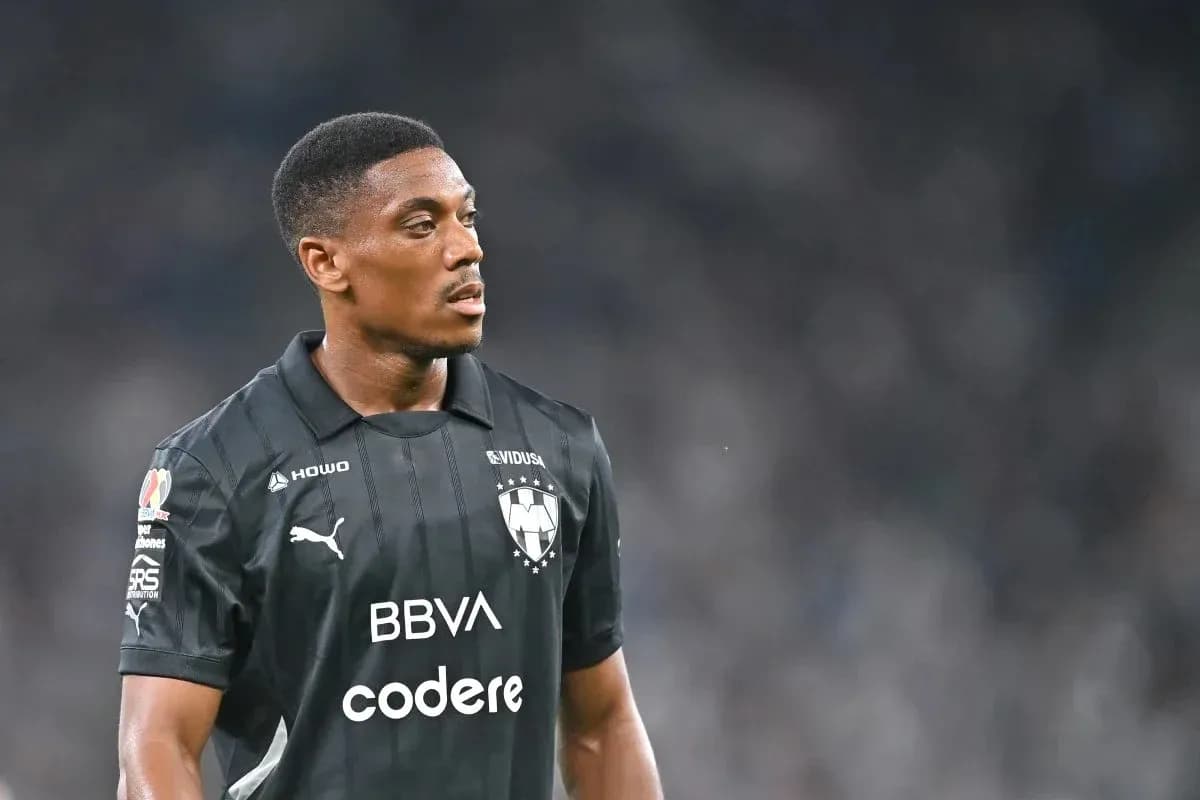
Folarin Balogun was expected to be the exception. After a breakout World Cup, the Monaco forward looked set for a big-money Premier League move. Everton pushed hardest. The move collapsed at the last moment.
The English club cited a potential fitness issue. Monaco disagreed. So did the player. In the middle of it all, a 25-year-old striker watched a career-defining transfer vanish in the final hours of the window.
Pochettino knows that kind of blow can linger.
“Yes, it’s difficult because you cannot influence that decision,” he said. “You need to support what they are doing with the people making the decisions. In some special cases, like Flo’s, I will call in the next few days. I wanted to give him a little bit of space after that situation in Everton. I want to know from him what happened. But we are always offering our support, and that’s it. I think he’s an important player for us, he was an important player in the World Cup and I hope that he can find being in Monaco, or in another place, his best place to perform in the best way.”
For the US, Balogun’s club future is more than a passing curiosity. A confident, settled center-forward could shape an entire qualifying campaign. Pochettino’s message, though, is simple: the door remains wide open, wherever Balogun plays.
The delicate dance with dual nationals
If Balogun’s situation is about stability, another key front for Pochettino is all about persuasion.
The US pool is increasingly defined by dual nationals, and the battle to secure their allegiance has become a permanent subplot. This month’s camp will offer another reminder. One name who will not be there: Augsburg center-back Noahkai Banks.
The 19-year-old, eligible for both the US and Germany, has not yet committed to either side and will sit out this window. He has said he wants to make a decision by “the next international break, or at the latest by the international break after next.” In Germany, reports have already linked newly appointed national team head coach Jürgen Klopp with scouting Banks in person.
Pochettino did not reveal much about his upcoming 26-man roster, but he made it clear the federation is working hard behind the scenes with players in Banks’s position.
“We are in contact with all the potential dual nationals,” he said. “I think it’s important for us, of course, because that is the human connection that is so important. Even if they, like in that case, Noki, didn’t change his mind and is waiting still, no decision, and of course we cannot consider him for the next camp … But the organization is working with all the dual nationals and players with the possibility to make a decision. That human connection is important because if one day they feel that they can defend and they want to fight and to be part of our national team … Of course, if they deserve it, and we consider that they deserve to be involved, of course we are going to call [them up].”
For Pochettino, the pitch to these players is not only about caps and tournaments. It is about inviting them into a project that, if it hits its ceiling, could change where the US sits in the global hierarchy.
The friendlies against Peru, Chile, Mexico and Canada will come and go. So will the next camp, and the one after that. The real story sits underneath: a coach with a club giant’s résumé trying to reshape a national team and, with it, a country’s footballing identity.
The question now is not whether Mauricio Pochettino is staying. It is how far he can push the US before 2030 arrives.