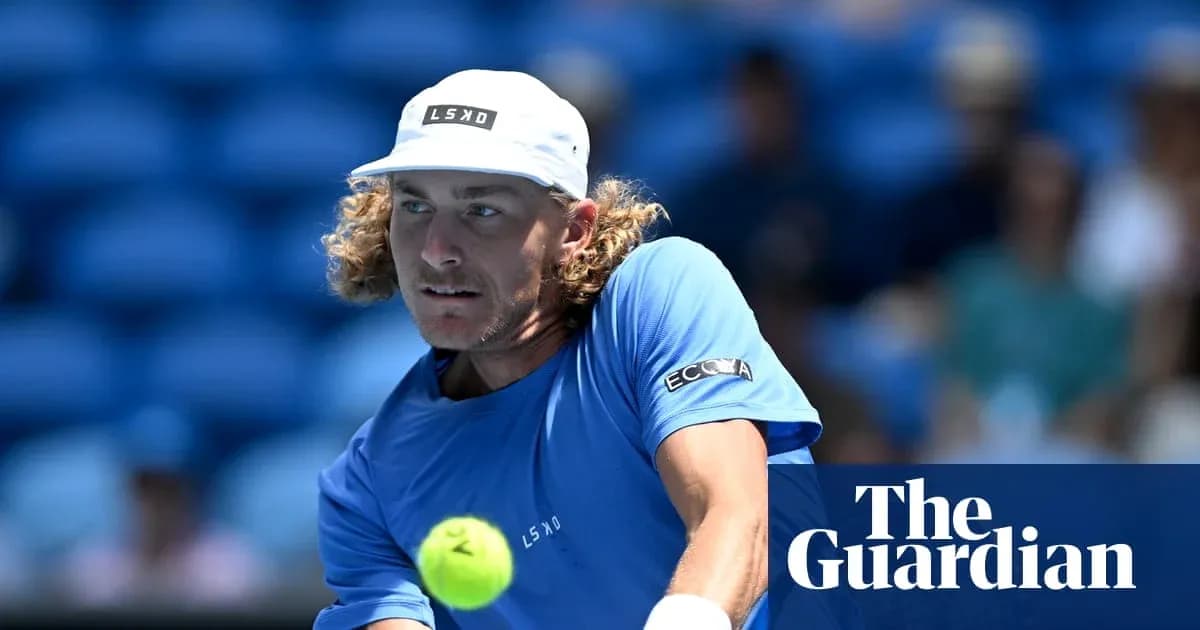
Max Purcell’s Return to Australia’s Davis Cup Team
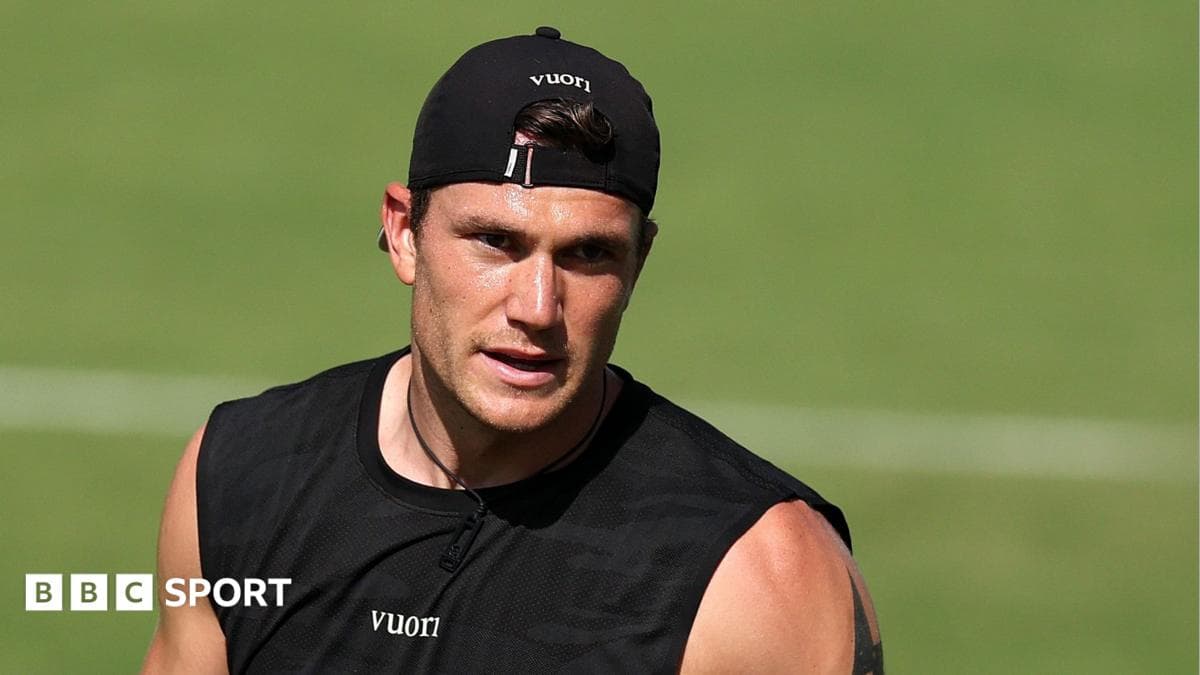
Max Purcell’s long road back from the darkest spell of his career has led him to a familiar stage: the green and gold of Australia’s Davis Cup team.
The 28-year-old grand slam doubles champion, who spent 18 months on the sidelines after an anti-doping breach that drew widespread sympathy and anger in equal measure, has been recalled by captain Lleyton Hewitt for Australia’s World Group 1 tie against Poland in Brisbane on 19-20 September.
For Purcell, it could be his first Davis Cup rubber in two years. For Australia, it is a calculated bet that a scarred but hardened campaigner can help drag them back into contention for next year’s trophy.
A controversial ban, a bruised player
Purcell’s absence never felt like a typical doping case. In December 2024, he chose to accept a provisional suspension under the International Tennis Integrity Agency’s Tennis Anti-Doping Programme after unknowingly receiving an IV infusion of vitamins above the permitted 100ml limit while on holiday in Bali a year earlier.
The vitamins themselves were all on the World Anti-Doping Agency’s approved list. The problem was volume, not substance.
His cooperation with the investigation and the substantial assistance he gave the ITIA led to a 25% reduction in what was initially a two-year sanction. The damage, though, had already been done.
Purcell later revealed on social media that the ordeal had shredded his peace of mind. He spoke of “nervous and anxious tics,” of struggling to eat properly, of a case that had “seriously affected” his quality of life. This was not a man trying to spin a PR line; it was a player laying bare how a bureaucratic breach had bled into every corner of his existence.
Inside the locker room, the verdict was swift. Colleagues such as John Millman and Jordan Thompson, his US Open-winning doubles partner, lined up to defend him, stressing that no prohibited substance had ever been in his body and that the breach was clearly unintentional.
The sense of double standards lingered. So did the belief that Purcell had been harshly treated.
Hewitt’s vote of confidence
Now comes the clearest sign yet that Australian tennis has not turned its back on him.
Hewitt’s squad for the Poland tie is led by Alex de Minaur, eager to reset after an underwhelming US Open, and includes James Duckworth, Rinky Hijikata and Adam Walton, who is in line for a possible debut. It is a group built on energy and hustle, with a captain who knows how to squeeze every last point out of a home tie.
Yet it is the name ranked No 803 in the world that jumps off the page.
Purcell, the 2022 Wimbledon and 2024 US Open men’s doubles champion, has been rebuilding quietly since his return in June. No fanfare, no grand declarations. Just matches, miles and the slow reclaiming of a career that had been abruptly halted just as it was gathering real momentum.
A singles title at a modest event in China marked an early sign that his competitive instincts remain intact. Hewitt and his staff clearly saw enough. When the first window opened to bring Purcell back into the national fold, they took it.
This is not a sentimental pick. Purcell’s Davis Cup doubles record stands at an imposing 9-2. In a format where one rubber can swing a tie, that kind of reliability is gold.
In a difficult assignment against awkward opposition, he is a weapon Hewitt will be tempted to use.
Poland without Hurkacz, but not without threat
Australia’s task is clear: beat Poland at Pat Rafter Arena and keep alive the chance of chasing next year’s Davis Cup crown. Lose, and the road narrows sharply.
On paper, the draw has opened a little.
Poland will be led by Kamil Majchrzak, the world No 73, who has already shown he can trouble Australia’s spearhead. He beat de Minaur earlier this year in the grass-court ATP final in ‘s-Hertogenbosch, a result that will give the visitors belief they can nick a crucial singles point on foreign soil.
Yet one name was conspicuously absent from Poland’s team list on Wednesday: Hubert Hurkacz. The injury-prone No 1, a towering presence on serve and a genuine top-tier threat, will not play in Brisbane.
His omission strips Poland of their most dangerous weapon and tilts the tie further towards the hosts. It does not guarantee anything, but it changes the tone. What might have been a knife-edge battle now looks, on balance, more manageable for Hewitt’s men.
A comeback with weight
For Purcell, this is about more than rankings or records. It is about restoration.
He returns not as the wide-eyed up-and-comer who burst through in doubles, but as a player who has seen the sport’s disciplinary machinery up close, felt its full force, and somehow found a way back.
Australia needs to win. Hewitt, a captain obsessed with competitive edges, would not carry passengers into a tie with Davis Cup stakes attached. Purcell is here because, in the crucible of team tennis, his serve, his instincts at the net and his 9-2 doubles history give Australia a tangible advantage.
The ban left scars. The support from teammates, the early wins on his comeback and now this selection suggest something else: a player whose standing inside the game may, in time, be stronger for what he has survived.
In Brisbane next week, under the lights at Pat Rafter Arena, we find out how much of Max Purcell’s story is about what was taken from him — and how much is still to be written.