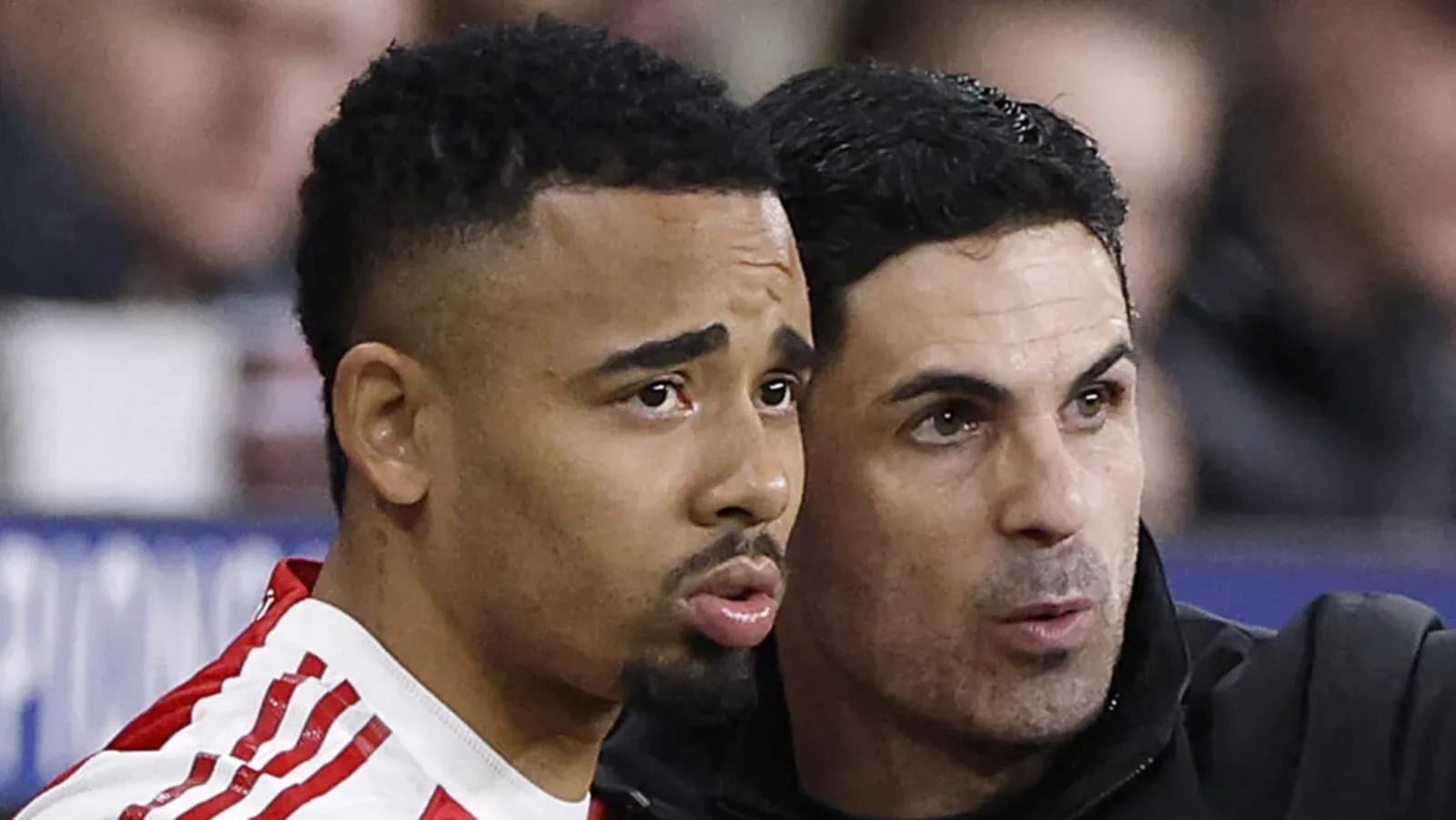
Mikel Arteta's Calm Response to Gabriel Jesus' Departure
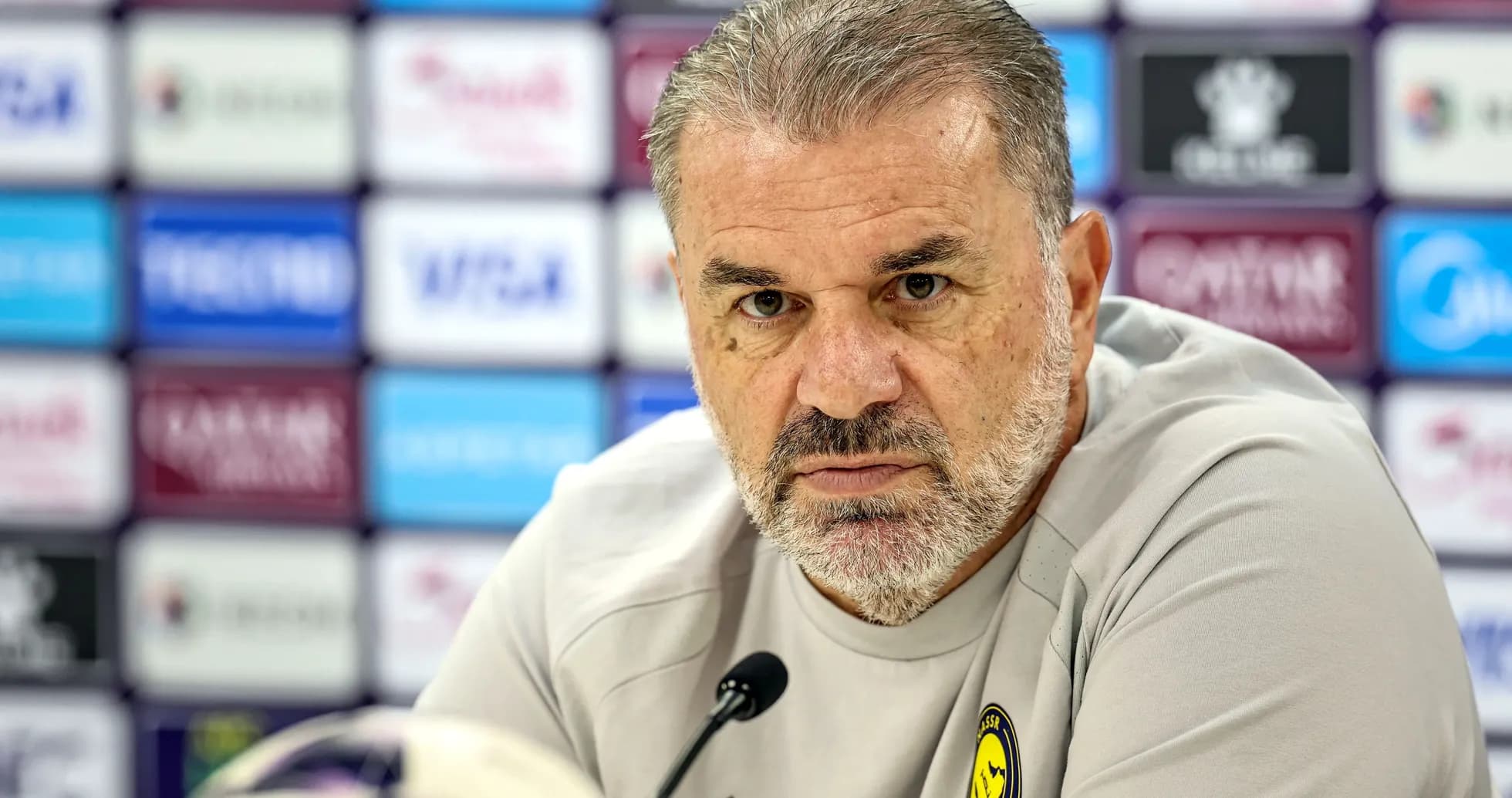
Mikel Arteta walked into his press conference this week and found himself cast as the villain in a story he clearly doesn’t recognise.
Gabriel Jesus, now out of Arsenal and speaking more freely about his departure, had hinted at frustrations with how his exit was handled. The reaction was predictable: talk of a “row”, of a “blast”, of a relationship turning sour. The headlines wrote themselves. The reality, as so often, was far more mundane.
Arteta’s response was anything but explosive. If anything, it was disarmingly calm.
“Very surprised, to be fair,” he said, when asked about Jesus’ comments. “Especially because with Gabriel I had an individual talk in the dressing room. I don’t know what the words were said, it’s fine.
“And the words that we used for each other, it was all about gratitude. So, I don’t know, it’s okay. Sometimes I understand when you have to deliver bad news or news that people don’t expect. Those things are reactive. Somebody has to be there to be bad cop. If I have to be, I have to be. And I understand.
“What is important is normally what happens three months later, six months later, when Trossard comes in, he’s in the dressing room with all of us, the atmosphere and the relation you have. And thank God so far, with all the players that they left, at some point their relationship has been really good. I hope that’s the same case.”
That was the “fire back”. That was the “hit back”. No public dressing-down. No character assassination. No manager lashing out at a former striker. Just a coach quietly pointing out that his version of events involves “gratitude”, “understanding” and a willingness to play the bad cop when the job demands it.
It hardly screams dressing-room mutiny.
Arteta’s stance fits a pattern. Arsenal have moved on from big names before – and will again – without the manager feeling the need to scorch the earth behind them. He referenced Leandro Trossard’s arrival and the mood in the dressing room as a marker of how players tend to feel once the dust settles. The message was clear: judge the relationships in months, not in the heat of an exit interview.
That nuance, though, rarely survives first contact with the headline writers. A measured answer becomes a “row”. A manager expressing surprise turns into a “shock”. A polite disagreement is framed as an “escalation”.
The same inflation of language hangs over another story doing the rounds: Mauricio Pochettino’s suggestion that Chelsea should be stripped of their 2016/17 Premier League title and the crown handed to Tottenham. It is a notion that was always destined to collide with reality the moment the league was asked for a response.
The Premier League’s stance, reported by the Daily Mirror, could hardly have been more predictable: “Premier League chiefs insist they did not let Chelsea off lightly amid the storm surrounding their 2017 title.”
Of course they insist that. Anything else would have been a genuine earthquake. The idea that executives at the league’s headquarters might suddenly decide, almost a decade on, to reopen a title race and retroactively award a championship because a former Spurs manager thinks they should, belongs in fantasy, not governance.
The quotes themselves are not new either, but they have been repackaged as though this were a fresh development, a live controversy. It isn’t. It’s old ground, dressed up as breaking news.
The calendar has had a similar makeover. On the back page of the Mirror, Boxing Day football was treated like a rediscovered relic. The reality? This year’s fixtures fall on a Saturday, which makes life easier for schedulers than a Friday slot ever could. Tradition, it turns out, sometimes just needs a friendly fixture list rather than a full cultural rescue mission.
Elsewhere, the language keeps stretching. At Chelsea, Christopher Nkunku’s reflections on his time at Milan were billed as a “slam” on Ruben Amorim. The actual words told a different story.
“Milan’s decision? It’s a choice that should be respected, but I don’t know why they acted that way. I was surprised. In any case, I wish them a good season. At Milan I didn’t have any injuries, but the vision of football was different from mine. So, as soon as the opportunity arose to come back here and play my football, I seized it.”
Respect, surprise, a difference in footballing vision, good wishes for the future. That’s not a tirade. That’s a professional explaining a career choice.
Even Manchester City’s recent record at Old Trafford has been dragged into the theatre. A “hoodoo”, we’re told, hangs over Pep Guardiola’s side when they cross town to face Manchester United. The evidence? They have not scored there since 2023 – across two games, one of which finished 0-0 – after having thrashed United 3-0 three years ago.
That’s not a curse. That’s a blip dressed up as folklore.
Football thrives on emotion, on narrative, on the sense that every match, every quote, every fixture list tweak might signal something bigger. But there is a difference between tension and distortion, between genuine conflict and a disagreement inflated into a feud.
Arteta’s exchange with Gabriel Jesus sits firmly in that gap. A player unhappy with his role and exit, a manager defending his process, both insisting there was gratitude in the room when they spoke. No shouting, no slammed doors, no public war.
Arsenal will move on. Jesus has already done so. The real question is not whether Arteta has “torn into” his former striker. It’s whether his version of bad cop – clinical, controlled, and couched in respect – is ruthless enough to take this Arsenal squad where he wants them to go.