Monza Clash: Leclerc and Hamilton's Rivalry Without a Title
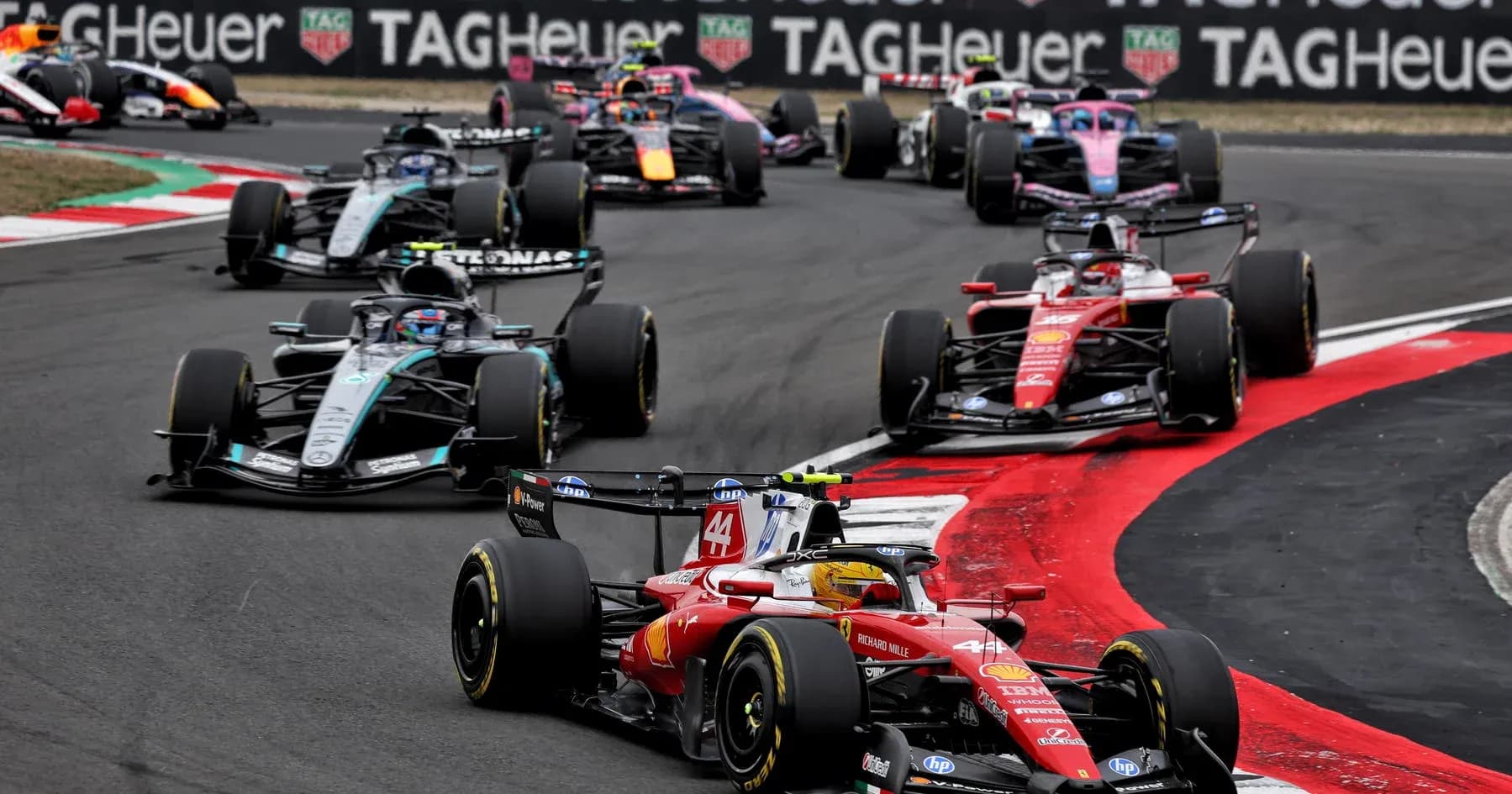
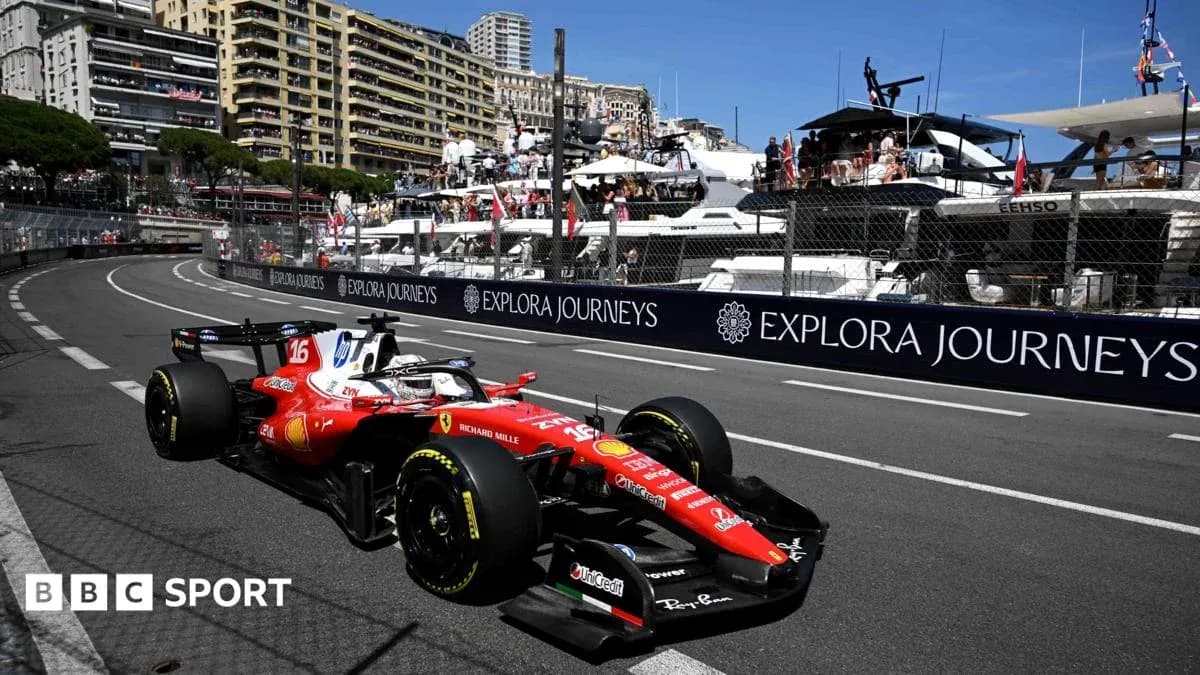
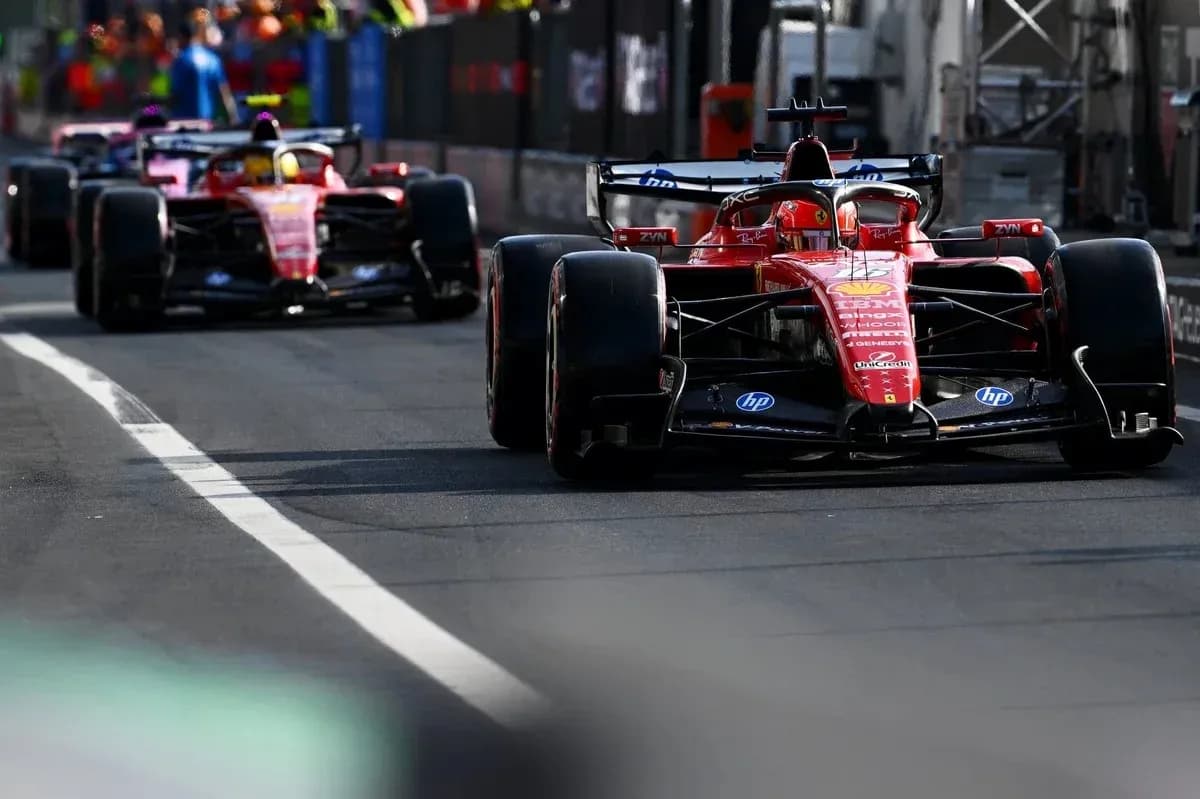
At Monza, the story was familiar. Two elite drivers in red, one narrow strip of asphalt, and a flashpoint that echoed decades of Formula 1 history. Yet something about the skirmish between Charles Leclerc and Lewis Hamilton felt oddly out of place.
This was not Senna-Prost in Suzuka, nor Mansell-Piquet tearing Williams in two, nor Rosberg and Hamilton detonating their friendship once a title-winning car landed in their hands. Those rivalries had a clear, brutal logic: the world championship sat between them, and only one could walk through that door.
Here, that logic is missing.
A clash without a crown
The great civil wars of F1 usually ignite when the machinery is good enough to make the title a private duel. Senna and Prost at McLaren. Mansell and Piquet at Williams. Webber and Vettel at Red Bull. Rosberg and Hamilton at Mercedes once the hybrid era began. Same pattern every time: a dominant car, two alpha drivers, and the knowledge that the biggest threat to glory lives on the other side of the garage.
Look at Mercedes for the most recent template. In 2013, Hamilton’s first season with the team, the W04 was quick but not a title weapon. Hamilton took one win, Nico Rosberg two. The relationship stayed warm, almost carefree. Two talented drivers, one promising car, no real prize on the line.
Then came 2014, and with it Mercedes’ first hybrid masterpiece. Overnight, the stakes exploded. The same pair who had once shared pizza in Monaco morphed into bitter title rivals. Every corner, every strategy call, every radio message became a skirmish in a much larger war.
Ferrari in 2025 is nowhere near that territory. The numbers say it. The shape of the season says it. Whatever the rhetoric from Maranello about fighting at the front, nobody seriously believes this is a world championship campaign.
So why did Monza feel like a title fight with no title?
No seats to save, no contracts to win
Strip away the noise and the situation looks straightforward. Hamilton and Leclerc are not battling for their futures. Their contracts are locked in through 2027. Their status is secure. This is not the desperate edge of the midfield, where one podium can salvage a career and beating your team-mate can mean the difference between a new deal and a phone that stops ringing.
They are not fighting for crumbs either. The joke in the paddock about two highly paid stars squabbling over the last slice of pizza in the Ferrari budget never really landed, because it missed the point. Both are handsomely rewarded, both are hired to deliver for Ferrari, and both know it.
That is what makes the current tension so puzzling. These are not rookies clawing for recognition. They are established names, expected to see the bigger picture – especially when that picture does not include a realistic shot at the drivers’ crown.
Status, pride, and a shifting balance
Scratch the surface, though, and there are clear pressure points.
Hamilton spent the whole of 2024 – and the start of 2025 – swallowing frustration, unable to match Leclerc’s level often enough. The younger man outperformed the seven-time champion and, in doing so, saw his own status swell. Within Ferrari and across the paddock, Leclerc looked like the reference.
Fast forward a year and the landscape has tilted. Hamilton has rediscovered his edge. He is now comfortably ahead of Leclerc in the standings, and that matters, even in a non-title season. For a driver of Hamilton’s calibre, this is not just about points; it is about proving that he remains the benchmark, that last year was an aberration rather than a decline.
Leclerc, for his part, has watched that narrative turn. Twelve months ago, he was the man dragging Ferrari forward while Hamilton struggled. Now he finds himself on the back foot against the same team-mate he had seemingly tamed. Pride bites hard in those circumstances. Every qualifying lap, every first corner, every strategy call becomes a referendum on who really leads this team.
That mix – a resurgent Hamilton, a stung Leclerc, and a car not quite good enough to turn their fight into a title charge – is combustible. You could see the sparks at Monza.
Vasseur’s problem, Ferrari’s risk
This is where Frédéric Vasseur steps in. The Ferrari team principal had already felt the need to bring both drivers into his office at Monza before the race. That alone told its own story. When you are managing two world-class drivers, you do not hold pre-race peace talks for nothing.
Now, it looks like he will need a second meeting.
The principle he has to hammer home is brutally simple: the team comes first. Not reputations. Not internal pecking orders. Not the satisfaction of winning the qualifying battle or the intra-team points race. When there is no world championship genuinely in play, there is even less justification for letting a rivalry spill into something self-destructive.
A sharp, internal rivalry can be a weapon when it drags a team upwards. Rosberg and Hamilton pushed Mercedes to new heights, even as they tore strips off each other. Vettel and Webber did the same at Red Bull. But those teams had the fastest cars and the biggest prizes to chase. The collateral damage came with a payoff.
Ferrari do not have that luxury right now. Their car is not the class of the field. Their season is already complicated enough. Add a full-blown intra-team feud on top and the risk is obvious: the rivalry stops being a driving force and becomes just another problem.
And Ferrari, as history keeps reminding them, already have plenty of those.