Morocco and Spain Compete for 2030 World Cup Final
The battle for the 2030 World Cup final has already kicked off – and it’s being fought in meeting rooms and political rallies rather than on the grass.
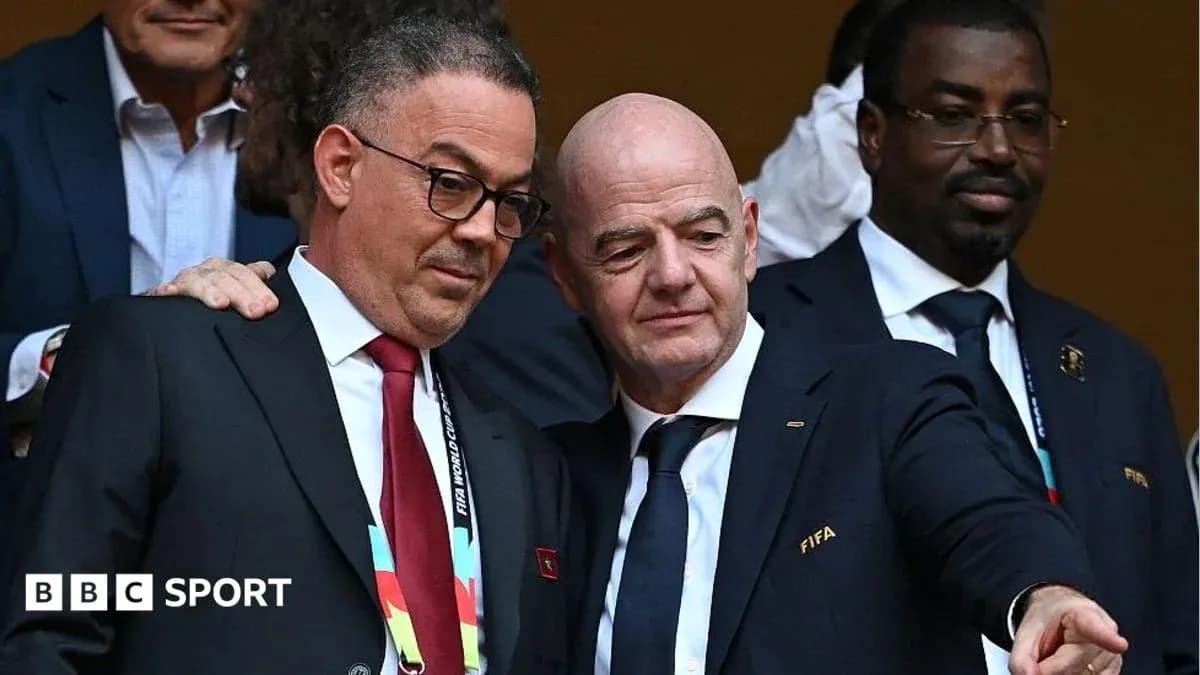
Morocco’s prime minister, Aziz Akhannouch, has publicly rebuked Fouzi Lekjaa, the powerful president of the Royal Moroccan Football Federation (RMFF), telling him to stop promising that Casablanca will host the showpiece match of the tournament co-organised by Morocco, Spain and Portugal.
The message was blunt, and delivered with an audience.
At a political rally, Akhannouch turned to Lekjaa and said: “Do not offer to host the big final game in Morocco while we still have not discussed the matter with our allies, Spain and Portugal.
“There should be some respect, brothers. Stop using electoral promises to pull the rug out from under us. These are huge matters. Deciding where the final will be held is a major issue.”
It was a sharp slap on the wrist for a federation chief who, at a political party event, had already told supporters that Casablanca would have the “honour” of staging the final.
A World Cup Shared – But Not Yet Divided
The 2030 men’s World Cup will be one of the most complex tournaments ever staged. Morocco, Spain and Portugal will act as main co-hosts, while the opening three matches will be played in Uruguay, Argentina and Paraguay to mark the centenary of the competition.
A list of proposed host stadiums is on the table, but nothing is locked in. Not the full line-up. Not the final. Not yet.
Fifa’s stance underlines that point. World football’s governing body has said only that “a decision will be made in due course.” No hints, no favourites, at least not officially.
That vacuum has created space for national pride, political positioning and football ambition to collide.
Spain Pushes Its Claim
Across the Mediterranean, Spain is not exactly whispering its intentions.
Rafael Louzan, president of the Spanish football federation (RFEF), has already gone on record saying the final will be held in Spain and believes recent success has tilted the scales in his country’s favour.
“Even though no decision has been taken, I believe Spain is the place because it cannot be any other way,” he told Cadena SER. “As you know, we are currently world champions.
“I believe Spain’s organisational capacity for major events is beyond question and that is why reality dictates that the grand final cannot and must not be held anywhere other than in Spain.”
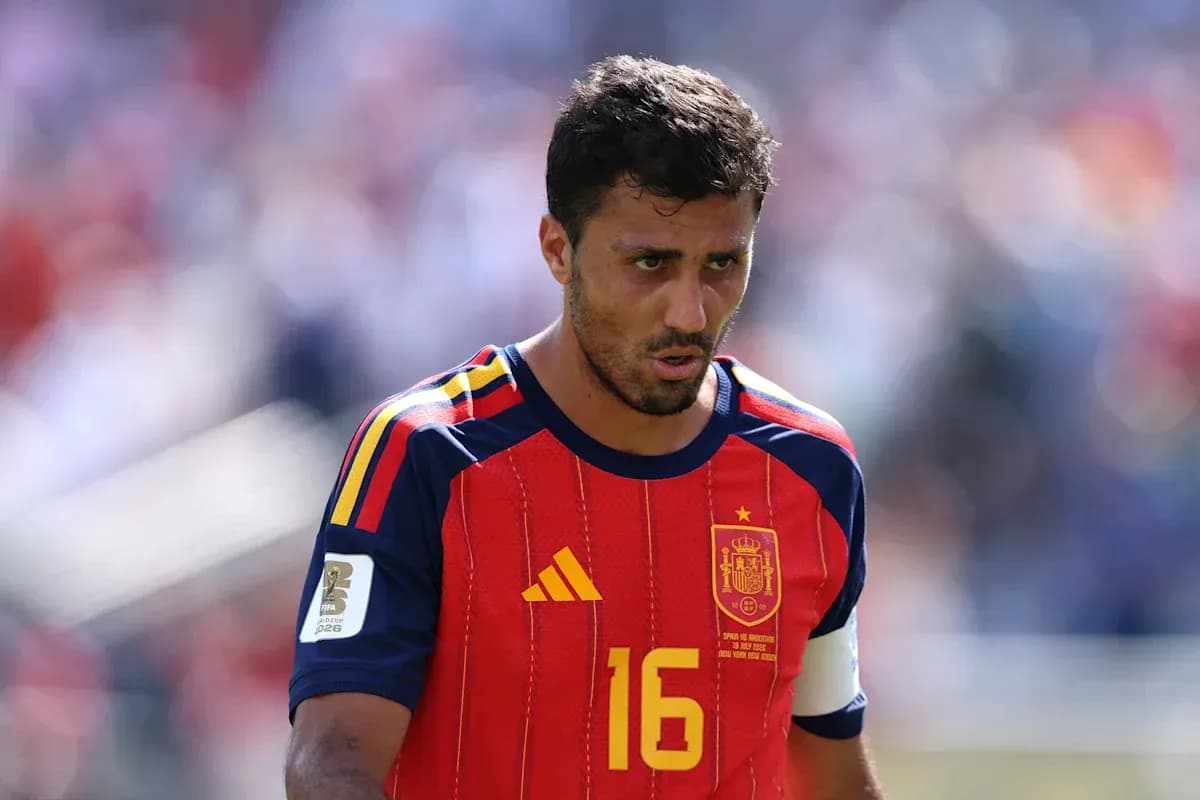
Spain’s argument is clear: pedigree, infrastructure and the glow of a second men’s World Cup triumph this summer. They beat Argentina in July to lift the trophy, adding fresh weight to their case as hosts of the next great final.
History offers another reminder: for the 2026 World Cup, New Jersey’s MetLife Stadium was only confirmed as the venue for the final in February 2024, just two years before the tournament. Decisions of this scale take time – and are rarely free of politics.
Stadiums as Statements
Behind the words lies steel and concrete.
Morocco is pressing ahead with plans for a proposed 115,000-seat stadium, a vast new arena that would become the largest football stadium in the world. It is a statement of intent, a symbol of a country that sees football as a global calling card and wants the final as the centrepiece of its co-hosting role.
Spain, though, counters with history and renovation rather than new builds.
Real Madrid’s Santiago Bernabeu has undergone a sweeping modern transformation and now holds 83,000, wrapped in cutting-edge design and technology. Barcelona’s Spotify Camp Nou, once its revamp is complete, will seat 105,000, restoring its status as one of the game’s great cathedrals.
On paper, Morocco can promise sheer size. Spain can point to proven arenas, modernised giants in cities that have staged some of the sport’s most iconic nights.
Allies, Rivals, Co‑Hosts
The tension lies in the contradiction at the heart of the bid: three allies, one final.
Akhannouch’s intervention shows how sensitive the subject has become inside Morocco. Lekjaa’s assertion that Casablanca would host the final played well with a domestic audience, but it risked unsettling the delicate balance with Spain and Portugal.
Spain, for its part, speaks with the assurance of a nation that believes the final “cannot be any other way” than on its soil.
Fifa will eventually decide, weighing stadium plans, infrastructure, politics and symbolism. Until then, each declaration, each new render of a stadium, each political jab adds another layer to a contest that has already begun long before the first ball is kicked.
By the time 2030 arrives, the question may not just be who reaches the final – but which country wins the right to stage the night when the world is watching.