Naomi Osaka Battles Back to Victory at US Open
Naomi Osaka wobbled, then roared back.
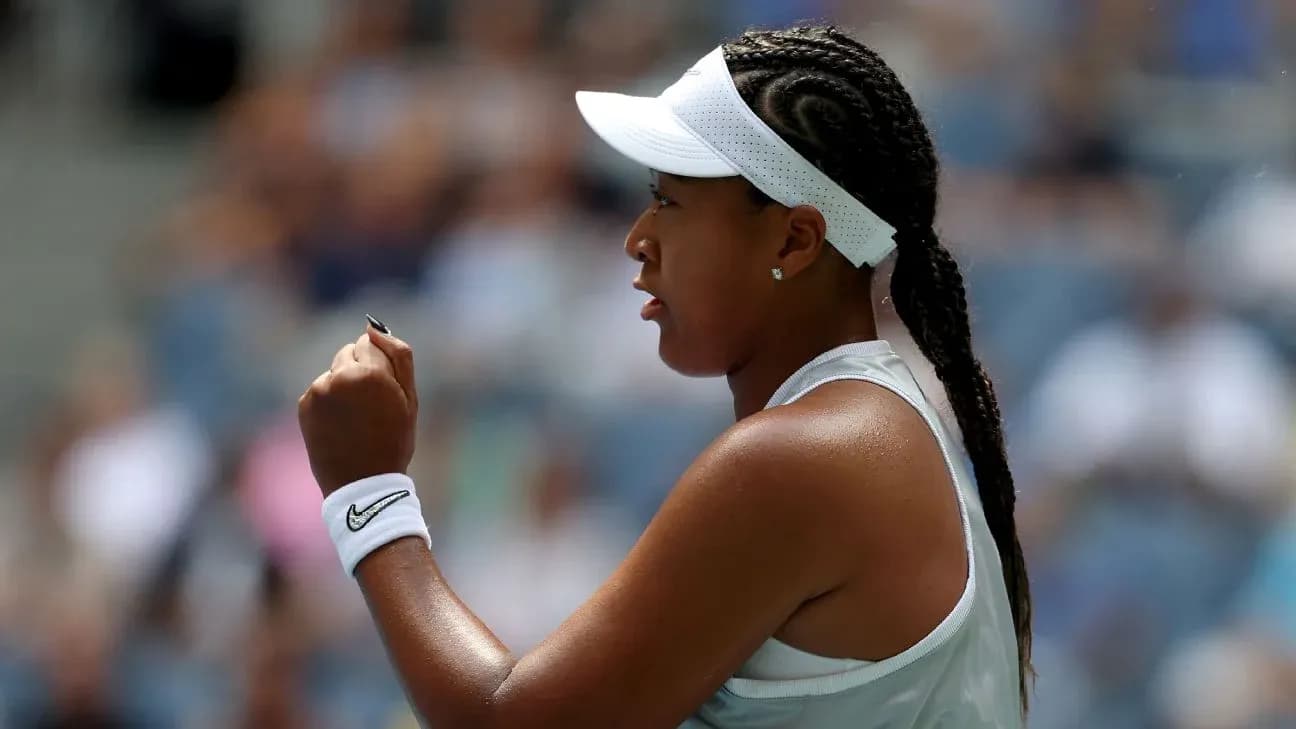
Under the bright afternoon glare of Arthur Ashe Stadium, the two-time US Open champion survived a sharp mid-match collapse before overpowering Katerina Siniakova 6-2, 5-7, 6-1 on Thursday to reach the third round.
For half the match, it looked like a routine New York stroll. Osaka, the No. 13 seed, tore through the opening set in just 30 minutes, dictating off the ground and bullying a player better known as the world’s No. 1 in doubles than as a singles threat. Her serve clicked, her feet were light, her timing crisp. Siniakova barely had time to breathe.
Osaka’s start matched her look: sharp, deliberate, unmistakably on message. She walked onto Ashe in silver and white under a long white jacket, visor pulled low, a contrast to the black kit and cornrows she wore in her opener as a tribute to Allen Iverson. Different outfit, same intent. This was business.
She broke early in the second set and moved ahead 4-2. The gap in class seemed obvious. Osaka’s four major titles hung over the court like a reminder of what she can do when she locks in.
Then the match flipped.
Serving at 4-3, Osaka got dragged into a grinding, extended game. Siniakova dug in, stretched rallies, refused to yield. Osaka’s first serve deserted her. The unforced errors, almost non-existent in the first set, began to pile up. She sprayed 20 in the second set alone, after just four in the opener. The smooth, authoritative rhythm vanished, replaced by frustration and tight swings.
Siniakova sensed the opening and pounced, breaking back and then pressing harder as Osaka’s level dipped. What had looked like a straight-sets procession suddenly became a dogfight. Osaka lost the set 7-5, her body language turning inward, the stadium murmuring at the shift.
She walked off for a bathroom break, and the pause felt bigger than the scoreline. She later admitted she had been too harsh on herself in that second set, that she needed to reset, to strip away the noise and the self-critique.
When she returned, the edge was back.
Osaka broke immediately for 2-0 in the decider, reclaiming control with cleaner hitting and a more measured aggression. The forehand found its range again. The serve steadied. Siniakova, who had carried the fight so bravely through the second set, could no longer match the pace and weight of shot coming at her.
The point that summed up the turnaround came early in the third: a 19-shot rally, both players trading from the baseline, Osaka refusing to bail out, then gliding forward to finish at the net with a crisp volley winner. She did not explode in celebration. She looked more relieved than ecstatic, like a player who knew she had flirted with trouble and finally slammed the door.
From there, she did not let Siniakova back in. The 6-1 final set underlined the gulf once Osaka reasserted herself.
“The match was definitely really tough and I don’t know, I just felt like I had to fight,” she said afterward. She spoke of those “couple opportunities in the second set” that slipped away, of being too hard on herself, of using that bathroom break to regroup and come back determined to “have no regrets.”
Around her, the day at Flushing Meadows pulsed with its own storylines.
On another court, Iga Swiatek, the 2022 US Open champion, made far lighter work of her assignment, dismissing Nadia Podoroska 6-3, 6-2. No drama, no sag in the middle, just the kind of clean, controlled performance that has become her signature in hard-court majors.
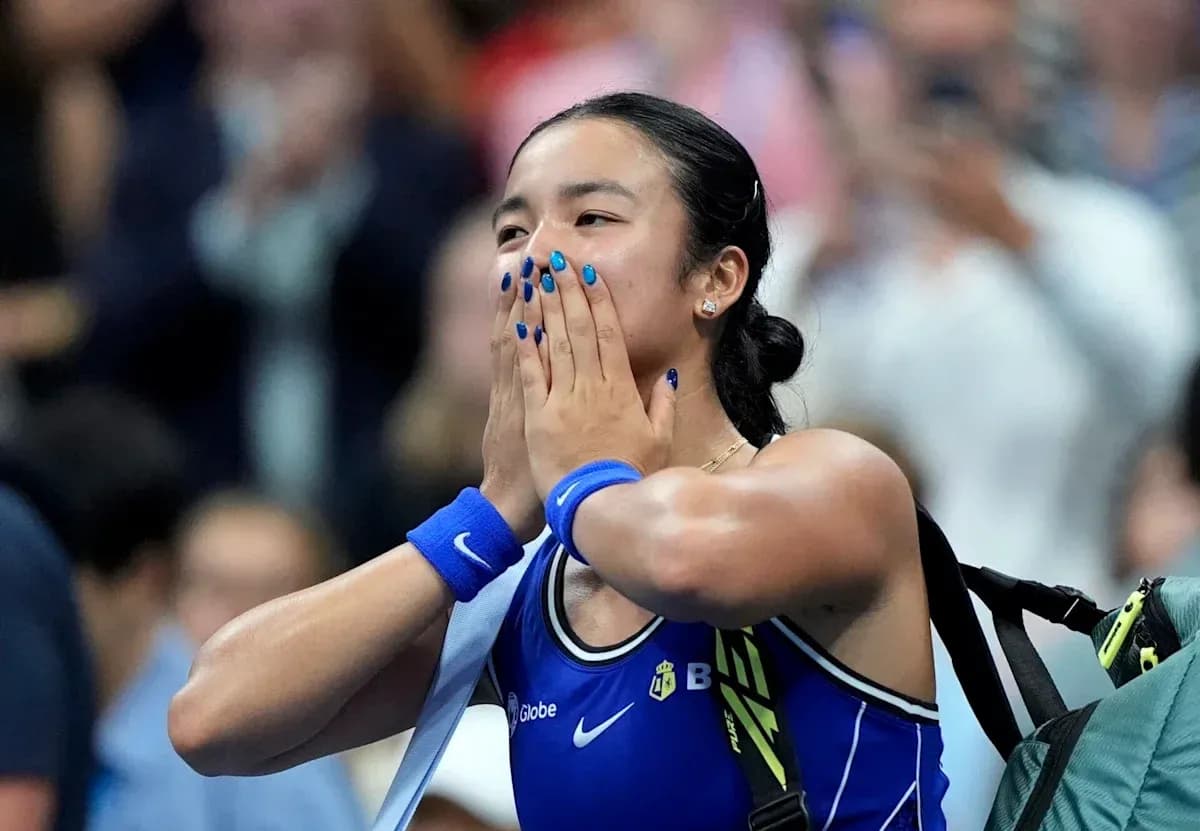
Alex Eala, the No. 17 seed from the Philippines, had to sit and wait. Her match was pushed back as Felix Auger-Aliassime, the No. 3 seed, got dragged into a fourth set by Karen Khachanov in the preceding encounter. The delay stretched her afternoon, a reminder of how the schedule can twist on the fortunes of others.
The night belonged to Coco Gauff. The 2023 champion at Flushing Meadows, now one of the sport’s central figures, was slated to face Paula Badosa under the lights. It is the kind of stage Gauff has already learned to own, her first major title here last year still fresh in the memory of a crowd that has embraced her as one of its own.
Badosa arrived at that assignment carrying extra miles in her legs. She had been forced to finish her rain-delayed first-round match on Wednesday after play was suspended Tuesday, part of a stop-start opening to the tournament as weather rolled through New York. By Thursday, the sun had returned, courts dried, the event finally breathing at full pace again.
Late on Ashe, after Gauff and Badosa, the No. 1 seed Alexander Zverev was set to step back into the cauldron. He narrowly escaped an early disaster on Tuesday, needing five sets to fend off Lorenzo Sonego and avoid becoming the first top seed to crash out in the opening round of a men’s major since 2003. Against Quentin Halys, he will expect something smoother. Expectation, though, has been a dangerous word in this tournament already.
Osaka’s win, with its jagged middle and emphatic finish, fit the day’s mood. Not straightforward. Not flawless. But when the match tightened and the doubts crept in, she found a way to push them back.
In New York, that kind of resilience tends to matter more than the scoreline on the board in early rounds.