Naomi Osaka's Bold Fashion Statements at US Open
Naomi Osaka has never blended into the background. She doesn’t plan to start now.
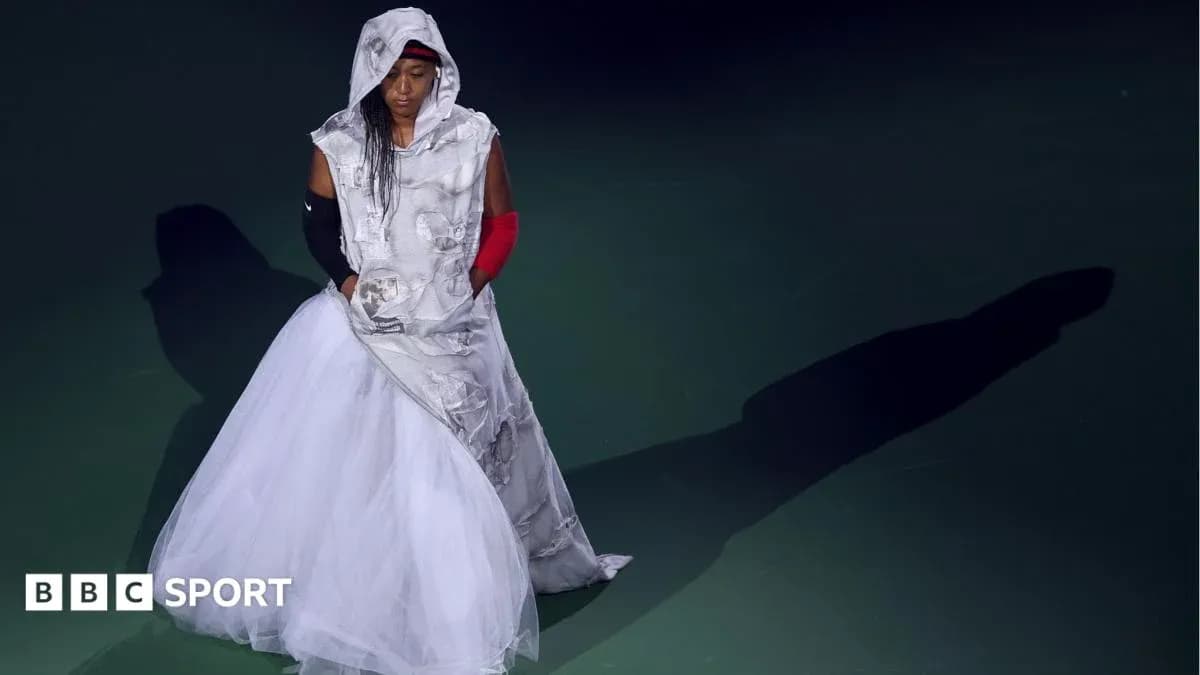
The four-time Grand Slam champion has turned this year’s US Open into a moving runway, walking into matches in outfits that split opinion but leave nobody indifferent. First came the hooded white gown for her opening-round win over Anastasia Zakharova, a dramatic, almost ceremonial entrance that felt closer to a red carpet than a tunnel walk.
Underneath, Osaka shed the cloak to reveal an all-black, basketball-style kit. The look was sharp, deliberate, and loaded with meaning. Her hair was braided, a headband wrapped across her forehead in a clear nod to Allen Iverson, the former NBA star she openly called a “trailblazer” for the way he shifted culture, “whether it’s on purpose or not”.
Osaka knows exactly what she’s doing. She also knows exactly what comes with it.
The 28-year-old has been peppered with criticism for her choices, accused of being too flashy, too performative, too much. She met that noise head on, addressing it in a social media post that read less like a defence and more like a mission statement.
“I don’t mind being the first to do something and getting trashed for it,” she wrote.
She linked it directly to 2021, when she refused to do mandatory media at the French Open, spoke publicly about her mental health, and ultimately withdrew from the tournament. The backlash then was fierce. She remembers.
“This happened when I talked about mental health and for some reason it’s happening with my clothes lol,” she added, the “lol” barely softening the edge. Different topic, same pattern: Osaka pushes, the establishment pushes back.
Her latest look arrived before her last-16 defeat to Elena Rybakina in New York, where she appeared in a decorated coat before stripping down again to compete. The result went against her, but the image lingered. Osaka isn’t just playing matches; she’s staging statements.
At the heart of it is identity. Osaka, whose father is Haitian-American and mother is Japanese, pointed directly to her heritage as the source of her unapologetic style. “I’m literally Haitian it’s in my blood to be this way,” she wrote. That line carried no apology, only explanation.
For her, the clothes are not a distraction. They’re an extension of the same instinct that drove her to talk about anxiety and depression when doing so made her a lightning rod. She is willing to take the heat now, she says, if it cools the environment for whoever comes next.
“As long as the people after me have an easier path it’s worth it,” she concluded.
Osaka has always hit the ball hard. These days, the message lands just as firmly.