Nasser Hussain Critiques Pakistan's Selection Policy in Test Cricket
Nasser Hussain has never been shy of an opinion, and at Headingley he went straight for the jugular of Pakistan’s selection policy.
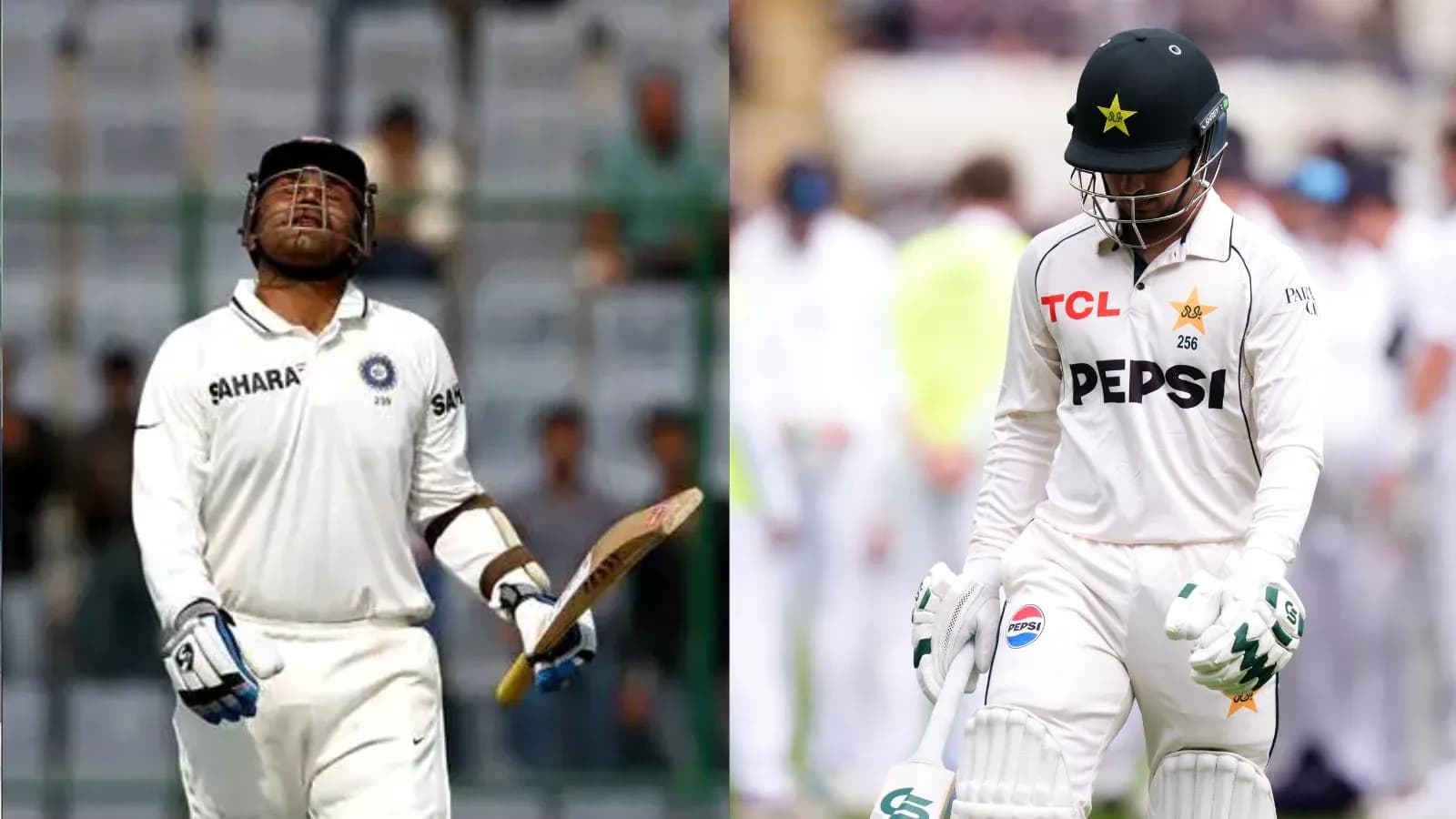
As Saim Ayub’s off-stump cartwheeled under grey Leeds skies, Hussain saw more than just a young opener undone by a Dukes ball. He saw a decision he believes betrayed a basic misunderstanding of Test cricket.
“I don’t know who thinks it’s the right thing to fly someone over from foreign conditions, playing a completely different format, and think they’re going to be fine in these conditions against a Dukes ball, against Ollie Robinson and England’s bowling attack,” he said, his tone cutting through the broadcast.
This wasn’t a passing gripe. Hussain framed it as a question of respect.
“It is just a sort of disrespect and disregard for Test match cricket. Test match cricket, as any cricketer will tell you, is the toughest format. Batting at the top of the order in England is the toughest task, and you just feel you can fly someone in from some part of the world and go, Good luck.”
The image is stark: a young batter parachuted in from white-ball rhythms to face a new-ball examination under heavy cloud, against an attack built for these conditions. No time to bed in. No county overs. No real adjustment. Just a handshake, a cap, and a hope.
Hussain has seen this film before.
“Virender Sehwag tried it on this ground, if you remember… they flew him in. Virender Sehwag got a pair, and that’s Virender Sehwag, who’s a better, more experienced player than Saim,” he reminded viewers.
If a giant of the game like Sehwag could be chewed up by a cold English morning after a late call-up, what chance a novice in this format?
Hussain did not absolve Ayub completely. The shot, he felt, carried its own share of blame.
“So a bit of responsibility goes to the lad for the shot he played. But also, whoever thought that was a seriously good decision and that he was going to go okay this week?”
The target of his criticism was clear: the decision-makers behind Pakistan’s chaotic mid-series overhaul.
In the wake of the second Test at Lord’s, Pakistan ripped up their plans. Seven players were withdrawn from the squad. The coaching staff was removed. A new group was flown in, and a white-ball coaching structure, headed by Mike Hesson, was dropped into the middle of a red-ball series.
It was a radical reset executed at breakneck speed, and Ayub’s brief, brutal introduction to Test cricket became the most visible symbol of the gamble.
On paper, it looked bold. On the field, under a heavy ball and heavier scrutiny, it looked exactly like what Hussain called it: a misunderstanding of what Test cricket demands.