Neil Pierre: Rising Star of U.S. Soccer's New Generation
The United States is rebuilding, and it’s doing it with kids who don’t look remotely intimidated by the stage.
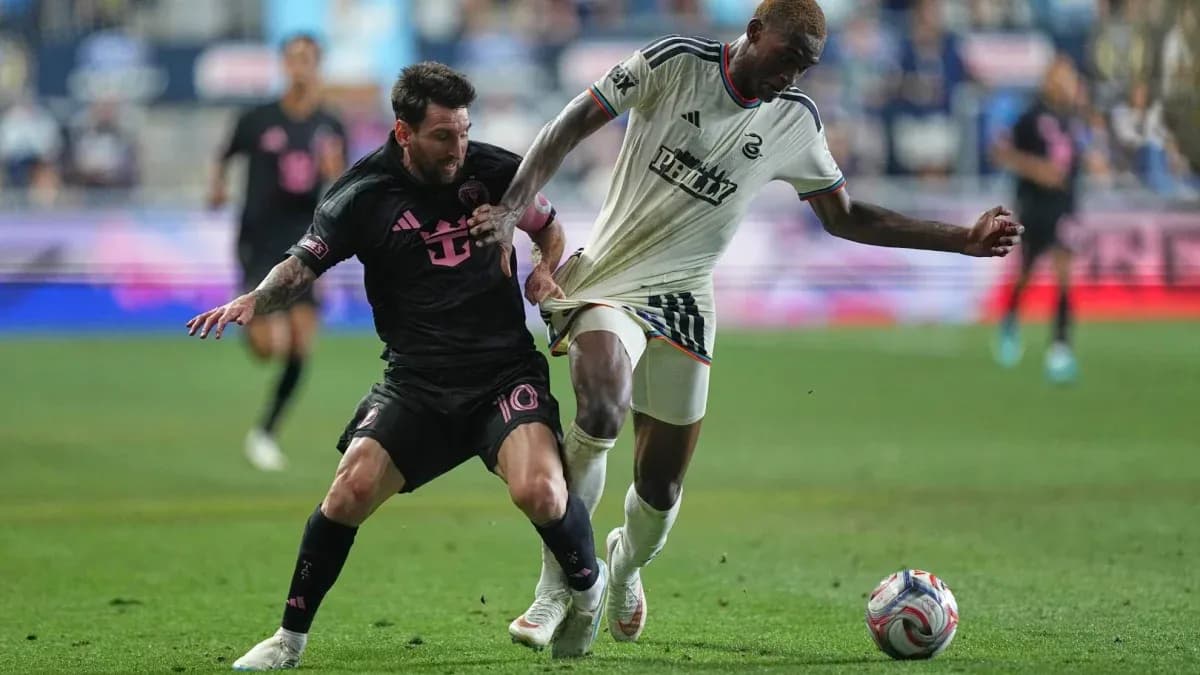
Under Mauricio Pochettino, the national team has entered a clear generational shift, one built on a blend of established names and a wave of young talent rising out of Major League Soccer. Among that new crop, one profile jumps off the page — and off the pitch — more than most: Neil Pierre, the towering center-back reshaping games for Philadelphia Union and now stepping into the international frame.
A tower built in Pennsylvania
Pierre’s story starts in Lebanon, Pennsylvania, in a Haitian family where sport was part of the everyday rhythm. His first love wasn’t soccer. It was basketball. You can still see that background in the way he moves, the way he times his leaps, the way he owns the air.
At 11, he switched courts for pitches, following the path of his older brother, Nelson Pierre. That decision flipped the trajectory of his career. After early steps with Super Nova FC, he entered the Philadelphia Union academy system — a pipeline that has quietly become one of the most productive in the country.
From the outset, the club pushed him. Pierre regularly played up age groups, facing older, stronger, more experienced opponents. The gap didn’t stunt him; it sharpened him. His positioning tightened. His reading of danger improved. He learned to defend not just with his body, but with his brain.
The progress earned him a Homegrown Player contract and minutes with Union’s reserve side in MLS NEXT Pro, a crucial proving ground where raw talent either stalls or accelerates. Pierre accelerated. Then came the next test: Europe.
Aerial dominance forged in Denmark
A loan move to Lyngby Boldklub in Denmark gave Pierre his first taste of European football. The adjustment can swallow young defenders. Different tempo. Different physicality. Different expectations.
He handled it.
In ten matches, Pierre scored four goals, an eye-catching return for a center-back and a clear sign of how dangerous he has become on set pieces. The Danish spell hardened his aerial game and gave him a sharper edge inside both penalty areas. He didn’t just clear crosses; he attacked them. He didn’t just contest corners; he decided them.
Philadelphia took note. Midway through the season, the club brought him back and dropped him into the first team with a clear idea: this wasn’t just a prospect anymore. This was a weapon.
Impact on MLS return
Back in MLS, under interim coach Ryan Richter, Pierre wasted no time announcing himself. Coming off the bench against New York Red Bulls, he scored on his league debut. For a center-back, that kind of entrance doesn’t just grab headlines; it changes how teammates and opponents look at you.
From there, he settled into central defense with a maturity that belied his age. Across the MLS campaign, he added four goals, a remarkable tally from the back line, while anchoring a defense that grew more secure with him in it. His presence brought height, aggression, and a sense of authority inside his own box.
Philadelphia’s dynamism shifted. With academy products like Pierre driving the spine of the team, the Union’s blend of youth and intensity became one of the standout stories of the season.
Pochettino’s statement of intent
Pochettino has been clear in his early moves as U.S. head coach: the national team cannot rely solely on its established core. It needs fresh legs, fresh personalities, fresh competition. The call-up of Neil Pierre for the upcoming international window is a loud endorsement of that philosophy.
This isn’t a token invitation. It’s a bet on upside.
Pierre joins fellow Philadelphia youngsters Cavan Sullivan and Frankie Westfield in the senior squad, turning this camp into a showcase for one of MLS’s most productive academies. It also underlines the new staff’s willingness to trust local development pathways, not just overseas résumés.
For Pierre, the rise has been rapid — from a kid playing up age groups in Pennsylvania, to a loanee learning his craft in Denmark, to an MLS defender scoring on debut, and now to the edge of the international stage.
The question now is not whether he belongs in this conversation. It’s how quickly he can turn promise into permanence in a U.S. back line that’s being rebuilt in real time.