New Orleans Pelicans: Betting on Youth and Growth
The New Orleans Pelicans didn’t tear anything down this summer. They didn’t swing for a star, didn’t detonate the core, didn’t rewrite the depth chart.
They doubled down. On youth. On internal growth. On the idea that a 26-win team can look completely different without changing all that much.
Last season: 26-56, 11th in the West, nowhere near the postseason. This season: essentially the same group, plus AJ Johnson, Bennedict Mathurin, Jaron Pierre Jr. and Trendon Watford.
That’s not apathy. It’s a challenge.
Running It Back, With Pressure Turned Up
The front office has thrown the spotlight directly on the young core. No more “let’s see what they might become.” This year is about what Jeremiah Fears and Derik Queen are.
Both flashed real promise as rookies. Fears showed enough poise to suggest he can handle more responsibility, more minutes, more late-game possessions. Queen looked like a big who can grow into a foundational piece, not just a rotation body.
The Pelicans are treating them that way. The future of the franchise sits squarely on their shoulders now.
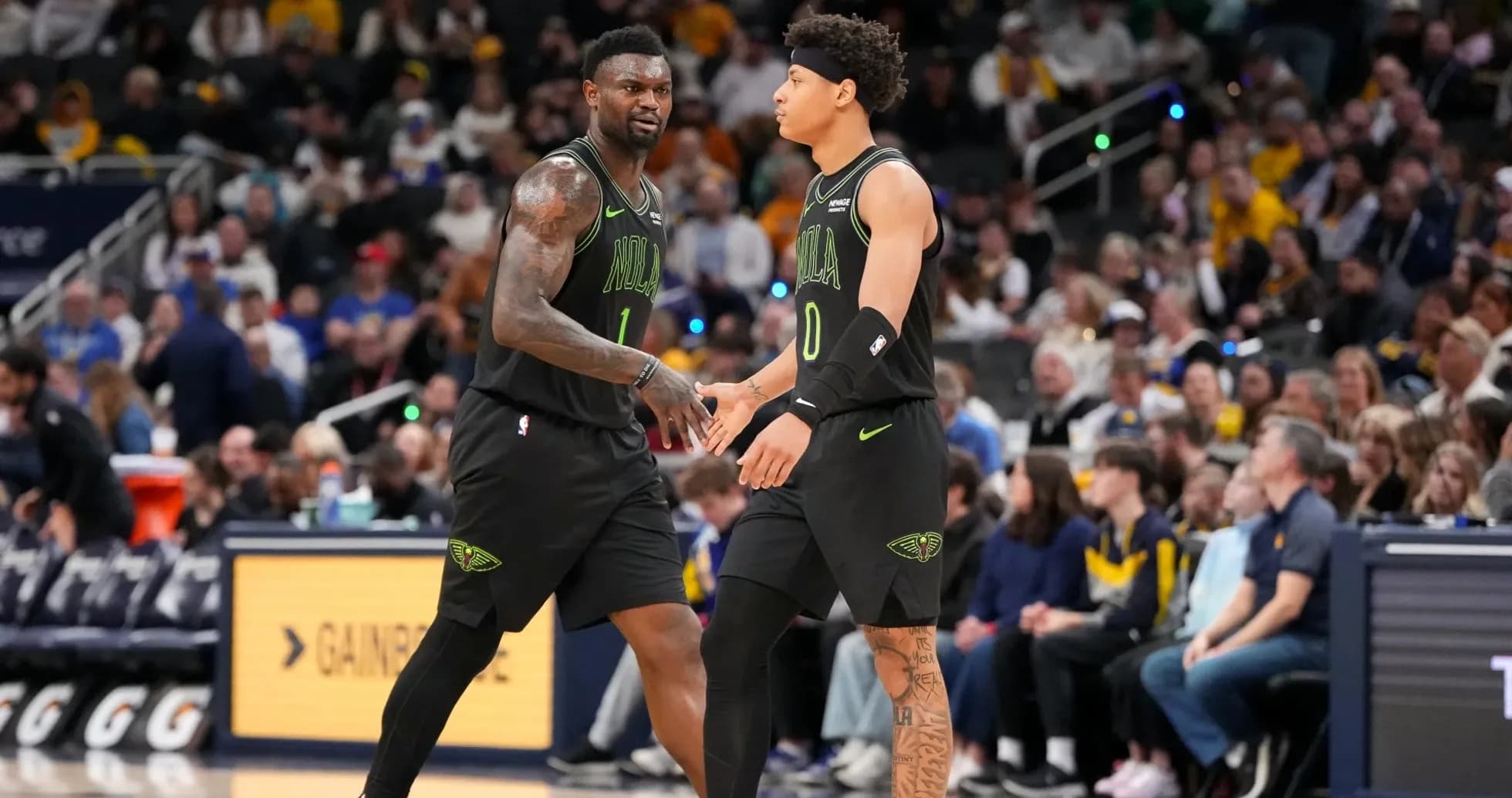
Around them, the names are familiar. Trey Murphy, still one of the league’s cleanest shooters when he gets rolling. Zion Williamson, still the gravitational force everything orbits around, as long as he’s on the floor. Dejounte Murray, the proven guard who can control tempo, get to his spots, and close games. And now Mathurin, a rugged scorer who brings edge and foul-drawing to a team that needs easier points.
If that mix doesn’t click, if the record looks too much like last year’s by midseason, Murray’s name will be everywhere as the trade deadline nears. That’s the unspoken tension running underneath this “run it back” experiment.
Herbert Jones at a Crossroads
Every team with playoff ambitions needs a player like Herbert Jones. The question in New Orleans is whether he’s still that guy.
A few seasons ago, Jones looked like one of the league’s premier defensive wings. Length, instincts, discipline — he could switch across multiple positions and bother stars who were taller, quicker, or both. In 2024, he landed on the All-Defensive First Team and felt like a cornerstone of the Pelicans’ rise.
Then the ascent stalled. His defensive impact dipped. The offensive growth didn’t follow.
Now he’s 28, right in his prime, and this season feels decisive. For Jones, and for the franchise.
His 3-point shooting has sagged to 31% over the last two seasons, a number that clogs spacing and shrinks the floor around Zion’s drives. If he bumps that into respectable territory and reclaims his place among the league’s elite stoppers, the Pelicans suddenly look a lot more dangerous.
If he doesn’t, the conversation shifts. His value to New Orleans — or on the trade market — becomes a central storyline.
Living in the Paint, Dying in the Details
No team in the league attacked the paint more than the Pelicans last season. An eye-popping 58% of their shots came at the rim or in the lane. That’s the Zion effect.
Williamson finished third in the NBA with 791 field-goal attempts in the paint. He converted 60.3% of them — better than the league average of 57.8% and his best mark in three years. When he gets two feet in the lane, defenses bend, whistles blow, and scoreboards move.
The problem? The rest of the roster didn’t follow his lead efficiently.
As a team, New Orleans shot just 55.4% in the paint, the second-worst mark in the league. Three Pelicans — Jones, Micah Peavy and Jordan Poole — were among only 41 players who took at least 100 shots in the paint and still finished below 50%. That’s a brutal combination for a team that lives inside.
Mathurin’s arrival won’t necessarily fix the finishing. He’s a career 51.5% shooter in the paint, solid but not elite. What he does bring is a knack for drawing fouls, getting to the line, and turning hard drives into free points. For a team that already generates volume in the paint, that kind of whistle-hunting can tilt close games.
Five Nights That Will Tell a Lot
The calendar offers a few early checkpoints on whether this gamble on continuity is working.
- Oct. 21: Pelicans vs. Pacers Opening night, and the first measuring stick. New coach Jamahl Mosley unveils his vision, Mathurin faces his former team, and Murray lines up opposite Tyrese Haliburton. It’s a tone-setter, plain and simple.
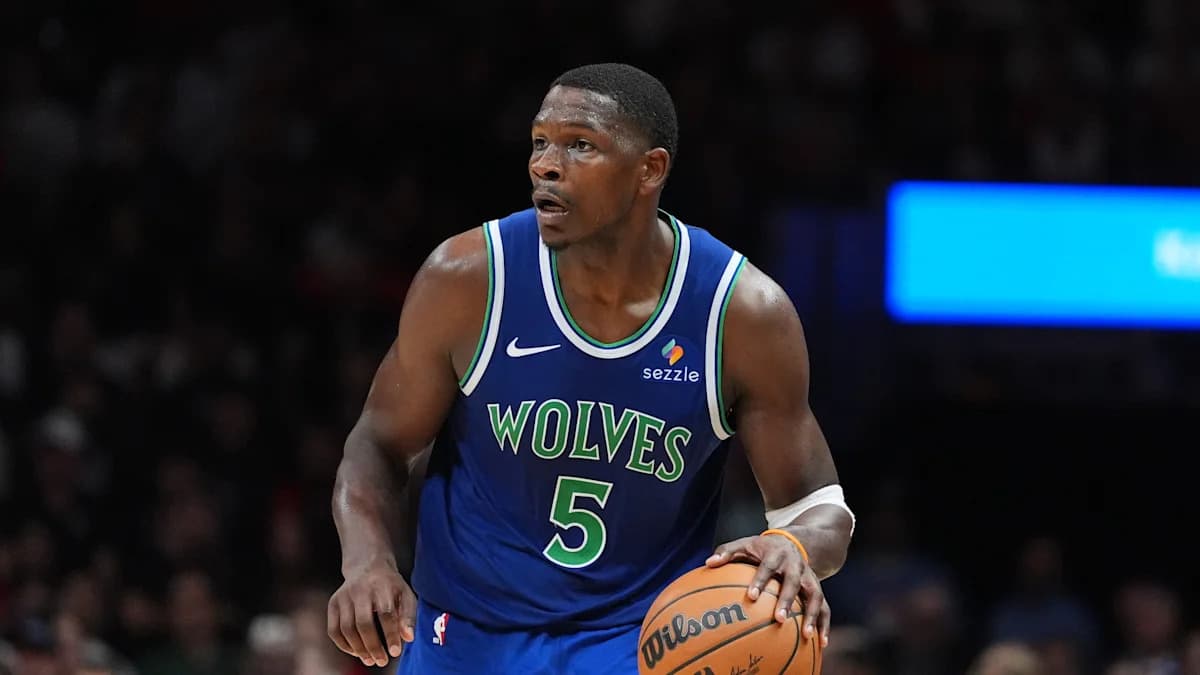
- Nov. 6: Pelicans vs. Timberwolves Zion vs. Anthony Edwards. Two former No. 1 picks whose careers have veered in different directions. Edwards has become the face of a contender. Zion is still fighting the same question: can he stay healthy long enough to chase that same path?
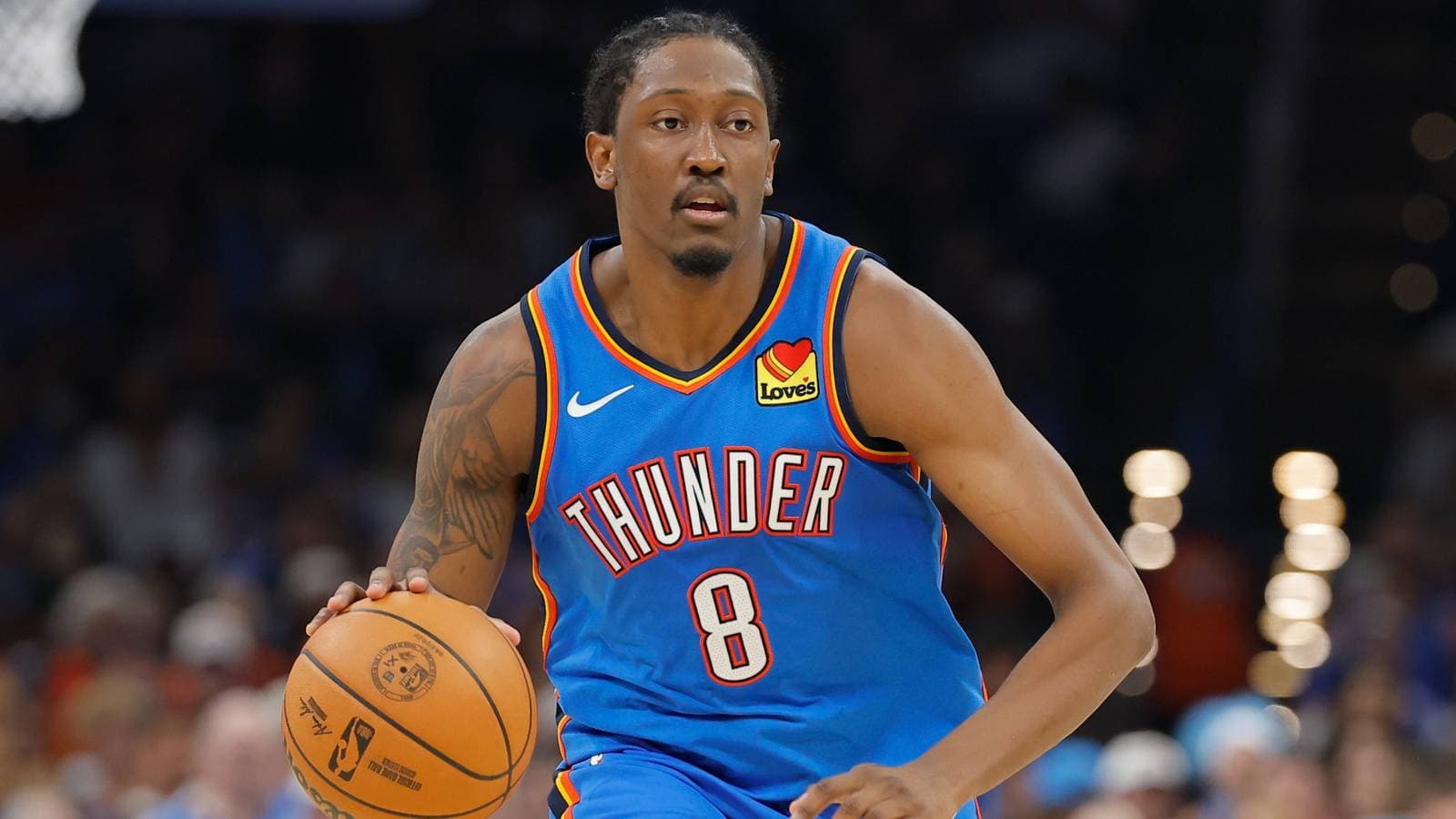
- Nov. 18: Pelicans vs. Pistons The first game in a three-night gauntlet: Pistons, Thunder, Spurs. Young, hungry, and loaded with talent. If New Orleans wants to be part of the West’s future, this stretch will show whether they belong in that conversation.
- Nov. 29: Pelicans vs. Trail Blazers Zion and Ja Morant, picks No. 1 and 2 in the 2019 Draft, both trying to drag their careers back to where expectations once sat. Different cities, similar pressure.
- Feb. 2: Pelicans vs. Magic Mosley returns to Orlando, where he built a playoff team around Franz Wagner and Paolo Banchero and crafted a stingy defense. The reception will be warm. The result will say plenty about what he’s building in New Orleans.
Mosley, Dumars and a Culture Play
The biggest change in New Orleans isn’t on the roster. It’s on the sideline.
Jamahl Mosley arrives with a clear brief: shape an identity, sharpen the defense, and connect with a young core that has talent but not yet a track record of winning. In Orlando, he did exactly that. The Magic grew into a tough, physical, top-tier defensive unit under his watch, with Wagner and Banchero thriving in defined roles.
He inherits a Pelicans team that has finished in the bottom 10 defensively in each of the last two seasons. That can’t continue if this group wants to be taken seriously.
For team president Joe Dumars, hiring Mosley is more than a coaching change. It’s a culture bet. If Mosley reaches Fears, Queen, Zion, Murphy, Jones and the rest of this young core, the front office can turn its full attention to adding complementary talent instead of rethinking the foundation every summer.
If he doesn’t, the questions won’t just be about schemes or rotations. They’ll be about direction.
New Orleans chose stability over shock this offseason. Now the roster, the coach, and the numbers in the paint all have to answer the same blunt question: is this group finally ready to grow up and win, or is another reset lurking on the horizon?