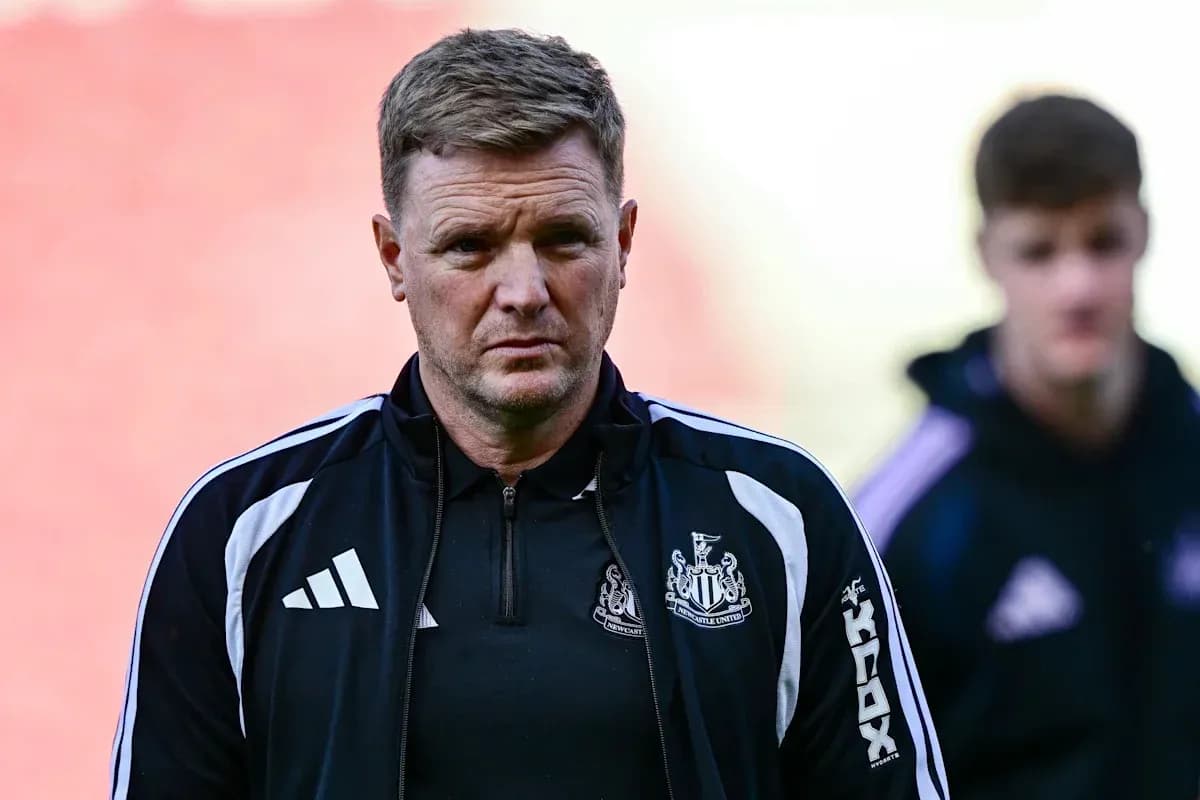
Newcastle United's Managerial Shift: Navigating Change in Turbulent Times
Newcastle United spent the early summer braced for upheaval. Big sales, big buys, a squad reshaped. What they did not expect was the jolt that came instead: Eddie Howe walking away just as pre-season began and the transfer window gathered pace.
For a club trying to step up a level, it felt like the worst possible moment to lose the man who had dragged them out of trouble and into trophy-winning territory. Yet behind the scenes, Newcastle insist it never descended into panic.
Two windows at once
Sporting director Ross Wilson has lifted the lid on how the club navigated those turbulent weeks, revealing that the hierarchy had been quietly planning for life after Howe long before the head coach chose to go.
Wilson told Newcastle’s scouting staff that the summer felt “almost like running two transfer windows” at the same time. On one track, the usual recruitment work. On another, hidden from view, a full managerial search conducted in complete secrecy over a two-week spell.
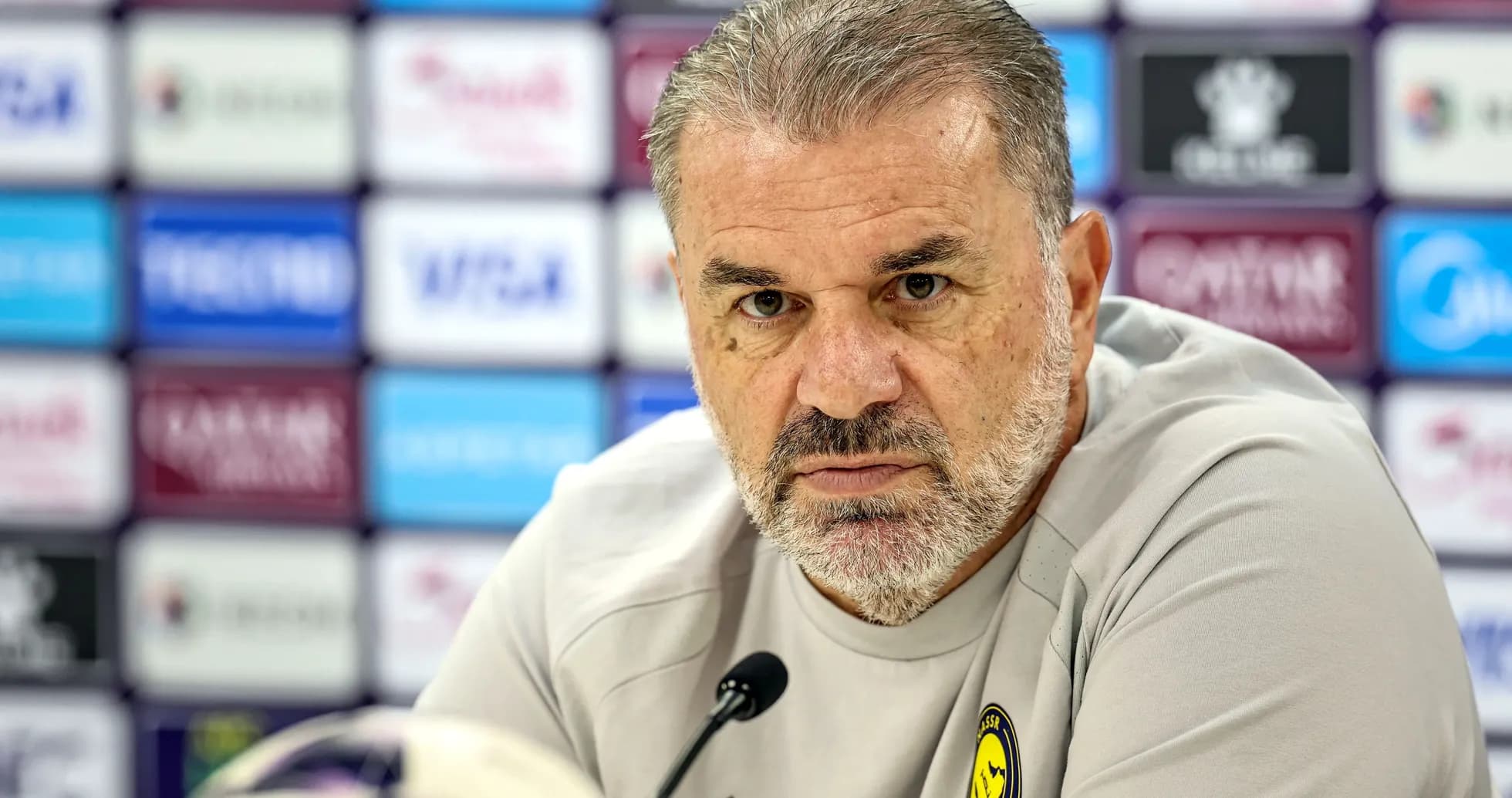
The payoff was speed. When Howe’s departure landed, Newcastle already had their shortlist, their data, their conversations mapped out. Within days, Matthias Jaissle emerged as the man to take the reins.
Inside the club, Wilson insists, there was no sense of chaos.
“No, it never felt chaotic inside at all,” he said. “Big respect to Eddie for the job he did for us over a long period of time. Bringing that trophy here means we would all describe him as a club legend.”
Disruption at full tilt
The timing still hurt. Howe left early in pre-season and right in the middle of a window that would ultimately see up to £300 million invested in eight new signings. Newcastle were trying to overhaul a squad and redefine a playing style, only to lose the architect of the previous phase mid-build.
Wilson admitted they had not expected to be making a coaching change at that specific point in the summer, particularly after Howe had committed to another season at the end of the previous campaign. Plans for the squad were drawn up with him in mind. Training schedules, tactical work, dressing-room dynamics – all built around his presence.
Yet the idea that Howe would one day need replacing was never ignored.
“Eddie would tell you, since I came to the club, I’ve been planning in the background for a managerial change,” Wilson said. “Part of our responsibility as leaders of the club is to be prepared.”
That preparation became crucial. Newcastle could not afford a long, public search or a messy handover while rivals pressed on with their business. The club had to pivot quickly, without losing the thread of what they were trying to build.
Jaissle and the joined‑up plan
Because the groundwork was already done, Newcastle were able to move directly for Jaissle and complete the transition while still chasing their transfer targets. The recruitment list had been drawn with flexibility in mind, with players identified who could work under Howe but also fit Jaissle’s ideas.
That overlap mattered. It meant the club did not have to rip up weeks of scouting and negotiation once the manager changed. Instead, they tried to thread a line between continuity and evolution.
“Clearly the timing was not (what) we had planned for,” Wilson said. “But we had a plan in place, which is why we could execute it as quickly as we did.”
The disruption was real. The response, Newcastle argue, was ready-made.
Now the question hangs over St James’ Park: will that quiet succession planning prove the difference between a season knocked off course and a club that simply changes gear and accelerates again?