Oxford United Withdraws Controversial 'United 93' Collection
Oxford United’s attempt to tap into American sports culture lasted barely two hours on Friday before it collapsed under the weight of a grim historical echo.
The League One club launched their new “Campus Collection” in the morning, a US college-style range trailed as a fresh off-field identity for the U’s. By lunchtime it had vanished from sale, withdrawn in haste once supporters pointed out the chilling overlap between its key slogan and one of the darkest days in modern history.
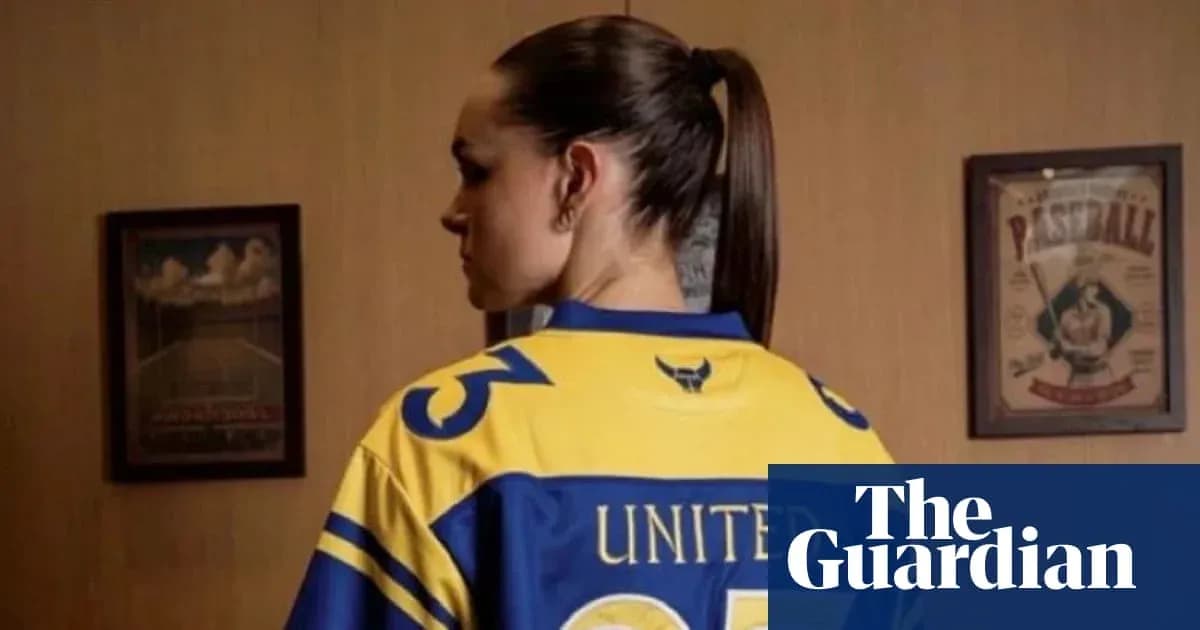
Front and centre of the line was an NFL-style shirt emblazoned with “United 93” across the chest. The number was chosen to nod to Oxford’s founding year, 1893. Instead, it landed squarely on the name of United 93, one of the four planes hijacked during the 11 September 2001 attacks.
Within hours, the club was issuing a public apology and trying to explain how such a branding decision had cleared every internal hurdle.
“Inspired by the style and culture of American sports,” the range had originally been scheduled to launch on 11 September this year – the 25th anniversary of the atrocity that killed nearly 3,000 people. That date alone had already raised concerns about sensitivity, prompting Oxford to delay the release.
The delay did not solve the problem. When the collection finally appeared online on Friday, the imagery made the issue impossible to ignore: models wearing jerseys with “United 93” across the front, promoted as part of a bold new look.
For many fans, the connection was instant and jarring. United 93 was the domestic passenger jet whose passengers fought back against al-Qaida hijackers on 11 September 2001, preventing the aircraft from being used to attack a government building in Washington DC. The plane crashed in a field, killing all 44 people on board. The story was later turned into the film “United 93”, cementing the flight number in public consciousness.
Once the link was flagged, Oxford moved quickly. The web page disappeared, the range was pulled, and a contrite statement followed.
“The range was released without understanding of the historical context and associations,” the club admitted. “It should not have reached the point of sale and we take full responsibility for not undertaking proper due diligence.
“We have removed the collection with immediate effect and are reviewing our approval processes to ensure nothing like this happens again. Once again, we would like to put on record our sincere apologies for this error and any offence caused.”
The wording laid bare a simple truth: nobody in the design or sign-off chain had stopped to ask the obvious question.
Reaction among supporters captured the split between anger and reluctant understanding. On the Yellows Forum, one fan called it a “monumental cock-up that I would expect to be sacked for if I’d signed off on it”, a blunt verdict on a failure of judgement at a professional club.
Another voice struck a softer note, while still underlining the scale of the oversight: “Whilst not ideal … everyone who sees this realises there’s no malicious intent. Ultimately there was just no consideration to it at all.”
That lack of consideration now leaves Oxford United sifting through their internal processes, not their sales figures. A collection meant to borrow the glamour of American sport has instead become a case study in how quickly a branding idea can turn into a reputational crisis when history is ignored.