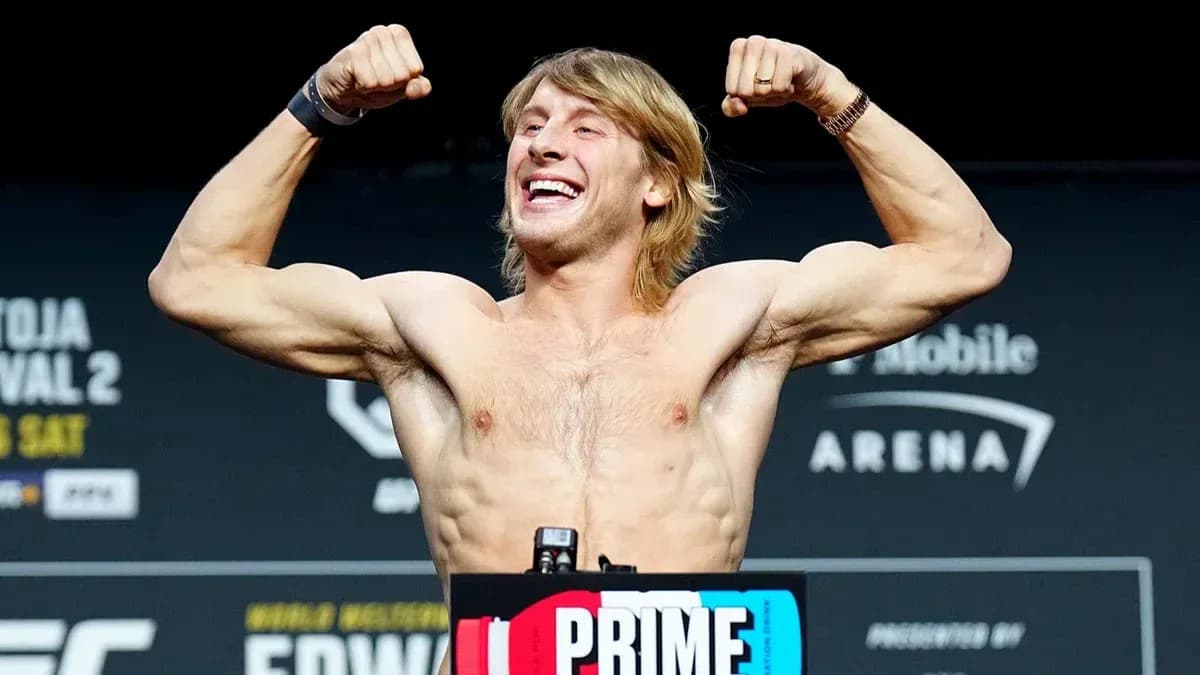
Paddy Pimblett: The Fighter Who Captivates Even in Defeat
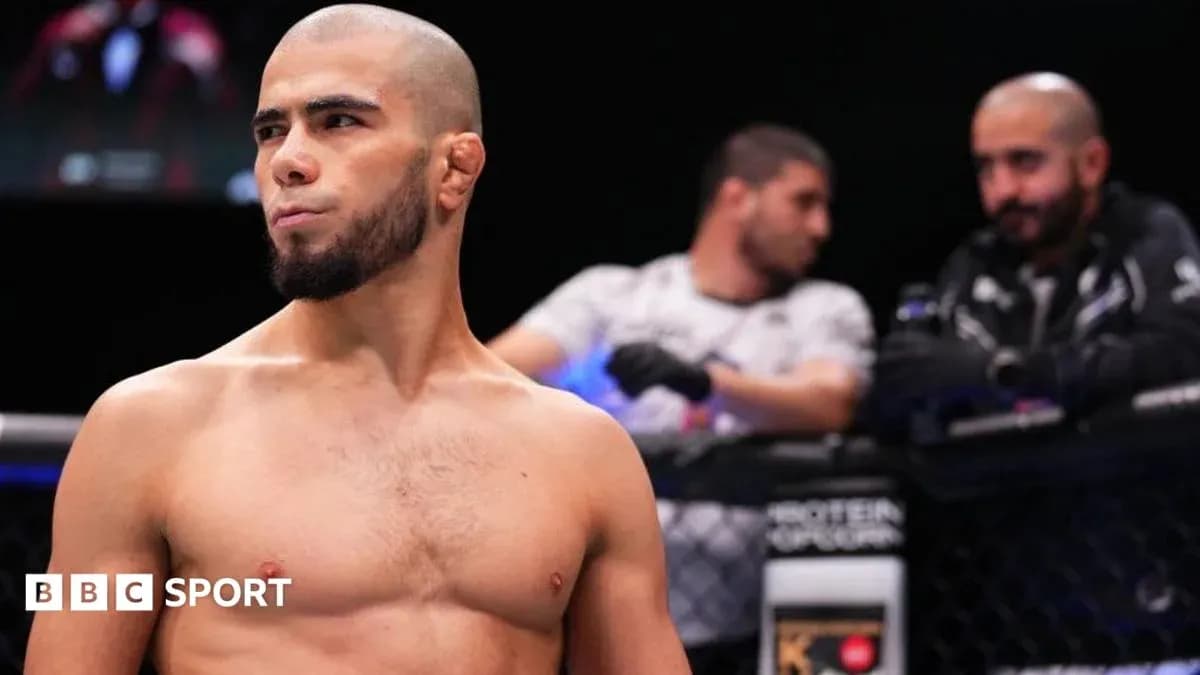
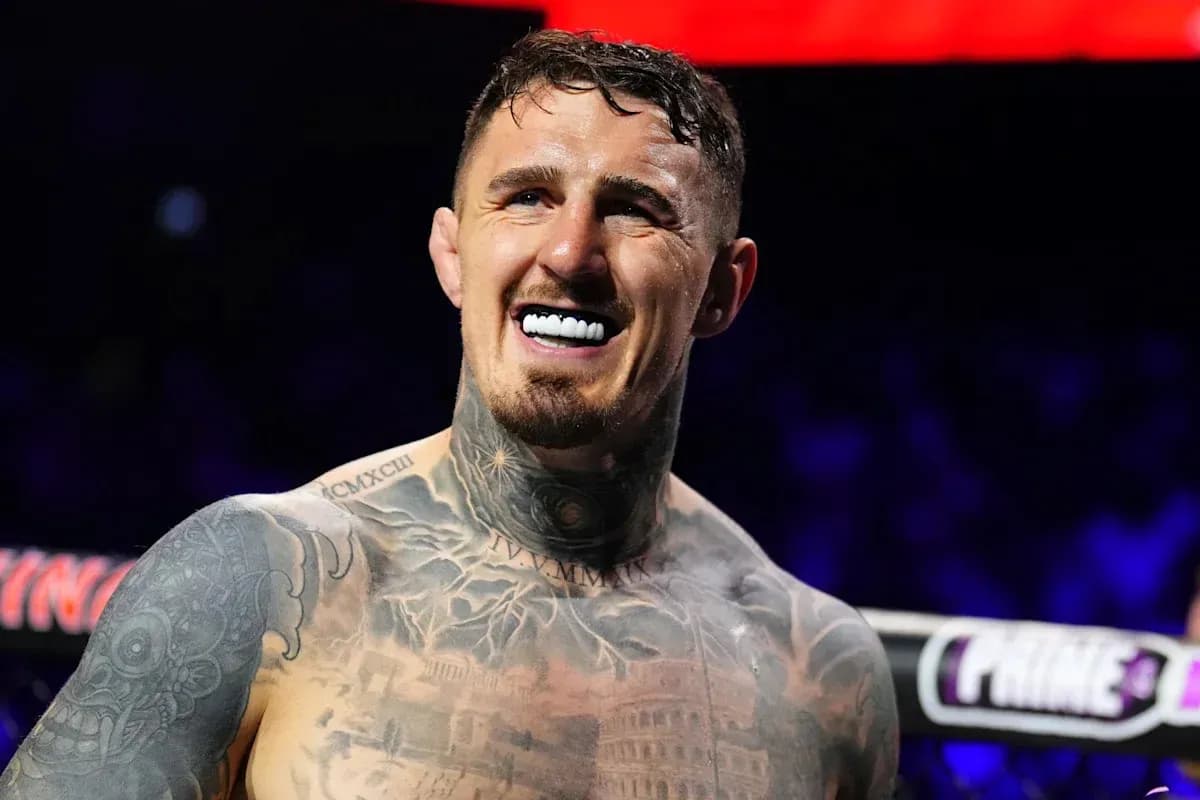
Paddy Pimblett walked into the UFC already carrying noise with him. Nineteen fights on the outside. Championship rounds in the bank. A cult following that treated regional arenas like pay-per-view stages. By the time he finally stepped through the octagon door, “The Baddy” wasn’t learning on the job; he was bringing his own show to town.
He has always fought like a man trying to clock out early. He hunts finishes, plays to the crowd, and leans into the chaos that separates a forgettable bout from the kind people argue about on Sunday morning. That alone makes him valuable to the promotion. Yet in Dana White’s eyes, Pimblett crossed into something different in defeat.
The loss to Justin Gaethje, the kind of matchup that tests both chin and conviction, changed the conversation.
“In that fight too, Paddy Pimblett gained more followers in that loss than in his last win, which was incredibly spectacular,” White said. “Because people realize what a dog—and how tough—he really was. And what a chin he has.”
That is the currency the UFC president understands best: not just wins and losses, but who makes people stop their weekend, stay home, and lock in for a fight.
White has long believed that certain fighters bend that equation in their favor. They don’t need spotless records. They need something else: guaranteed drama. For him, Pimblett belongs in that lineage, which is why he reached back to a name that still carries weight with anyone who ever ordered a boxing pay-per-view on a whim.
Arturo Gatti
“This was sort of my philosophy going into the UFC business when we bought it,” White explained. He remembered watching Gatti keep landing HBO dates even when the results didn’t go his way. The logic was simple, and ruthless.
“I noticed that Arturo Gatti kept signing HBO deals even when he lost. You know why? Because when we stay home on Saturday night, there's a lot of things. Forget the cost of the fight, right? The pay-per-view or whatever it was back in the day. More importantly, you guys have sh*t to do on Saturdays, right? You got to take your girl out. You got to take your kids. You've got things.”
That’s the bar White sets for his headliners. Not: can you win? But: are you worth a Saturday night?
“To invest a Saturday night is a big deal,” he said. “And when you invested a Saturday night in an Arturo Gatti fight, you were never disappointed when you turned the TV off. People want to see guys f***ing go to war.”
In Pimblett, White sees that same promise: a fighter whose appeal survives the judges’ scorecards, whose reputation can grow even in defeat. For a promoter obsessed with turning casual viewers into repeat customers, that kind of reliability is gold.
The wins will always matter. The rankings will always matter. Yet in the UFC’s harsh spotlight, where one bad night can send a career sideways, Pimblett has already proved something rarer: when the lights are brightest and the danger is real, people still want to see what he does next.