Patrick Beverley on NBA Stars Playing in Europe: A Mentality Challenge
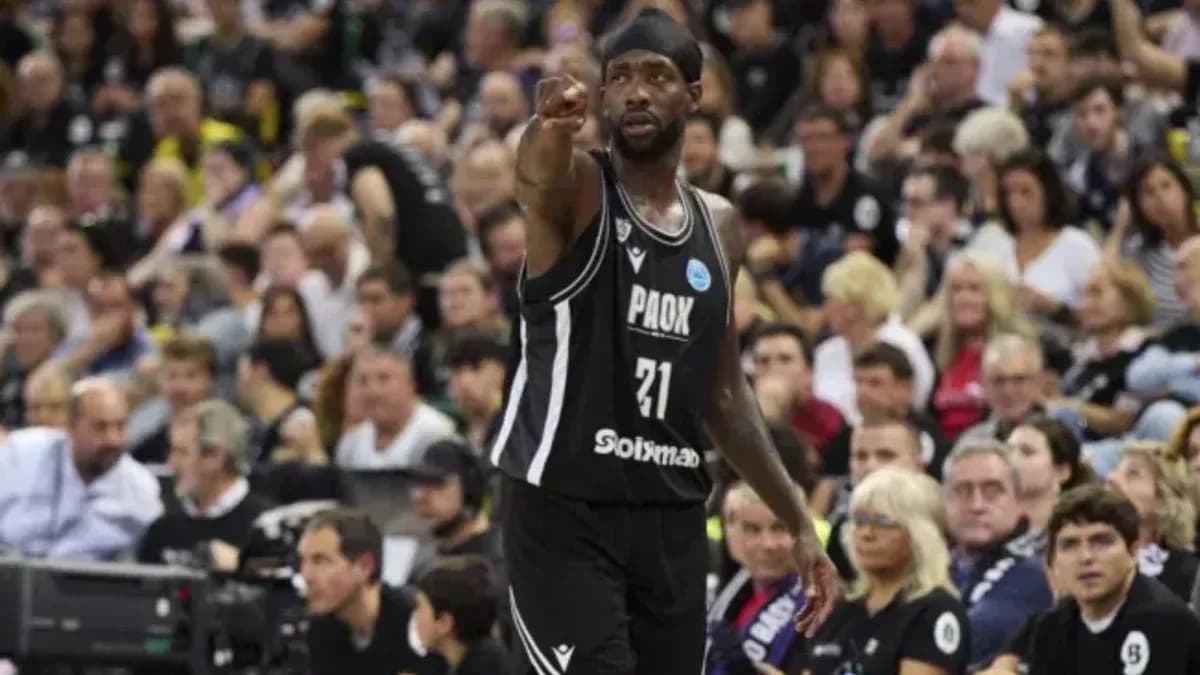
Patrick Beverley has never been shy with a microphone in front of him. Now, at 38 and on his way to Boulazac in the French league, he’s lit up one of basketball’s oldest arguments with a line that cuts straight to the bone.
“There are NBA superstars right now who couldn’t play in Europe,” he said on the YouTube show Thanalysis, hosted by Thanasis Antetokounmpo. “I firmly believe that. They simply couldn’t.”
No hedging. No soft landing. Just a career defender drawing a hard line between two versions of the same sport.
“It’s not about their bodies. It’s their minds.”
Beverley has lived both lives. Before carving out a 12-year run in the NBA with the Rockets, Clippers, Wolves, Lakers, Bulls, Sixers and Bucks, he had to fight his way through Europe. That experience shapes every word.
“It’s not a lack of respect for each individual’s physical ability, but for their mentality,” he explained.
That’s the heart of his argument. Not that NBA stars aren’t athletic enough. Not that they lack skill. He’s talking about something more uncomfortable: whether some of the league’s biggest names could handle a world where the game doesn’t revolve around them.
In Europe, he insists, the rules of engagement are different.
A game that belongs to the coach, not the star
Beverley describes a basketball culture where the hierarchy flips. The coach, not the franchise player, sits at the center of everything.
“Everything revolves around the team. The coach controls everything. It’s almost like a college team made up of adults. The team is above each individual,” he said.
That’s a jarring concept for stars raised in a system where max contracts, usage rates and highlight packages define status. In the NBA, the game often bends to accommodate the superstar. In Europe, Beverley argues, the superstar bends to fit the team.
Possessions are shorter. Mistakes are punished quickly. Minutes can vanish after one bad defensive rotation. Coaches sub without worrying about shoe deals or social media fallout. The game becomes less about how bright one player can shine and more about how tightly five players can move together.
For Beverley, that’s where some of today’s marquee names would struggle. Not because they can’t score, but because they’d be asked to do less of it. Not because they can’t dominate, but because domination, in that context, looks different.
A radical role reversal
Beverley calls it a “radical” change in roles, and he knows the cost of that adjustment. In Europe, a guard who’s used to 25 shots a night might be told to take eight and hound the ball full court. A player who built his brand on isolation might be asked to set screens, cut, and defend for 30 minutes.
The spotlight shrinks. The demands grow.
That’s where Beverley draws his line between who could survive and who could not. The issue, in his eyes, isn’t talent. It’s ego. It’s discipline. It’s the willingness to be one piece in a system where the coach “controls everything” and the team identity comes first, last and always.
Coming from a player who fought his way from European gyms to NBA arenas, the message lands with extra weight. Beverley isn’t talking theory. He’s talking about a mentality he had to adopt to stay on the floor.
And as he prepares to return to Europe with Boulazac, his challenge hangs in the air: in a game that strips away the star system and hands the keys back to the coach, how many of today’s NBA superstars would truly be ready to play?