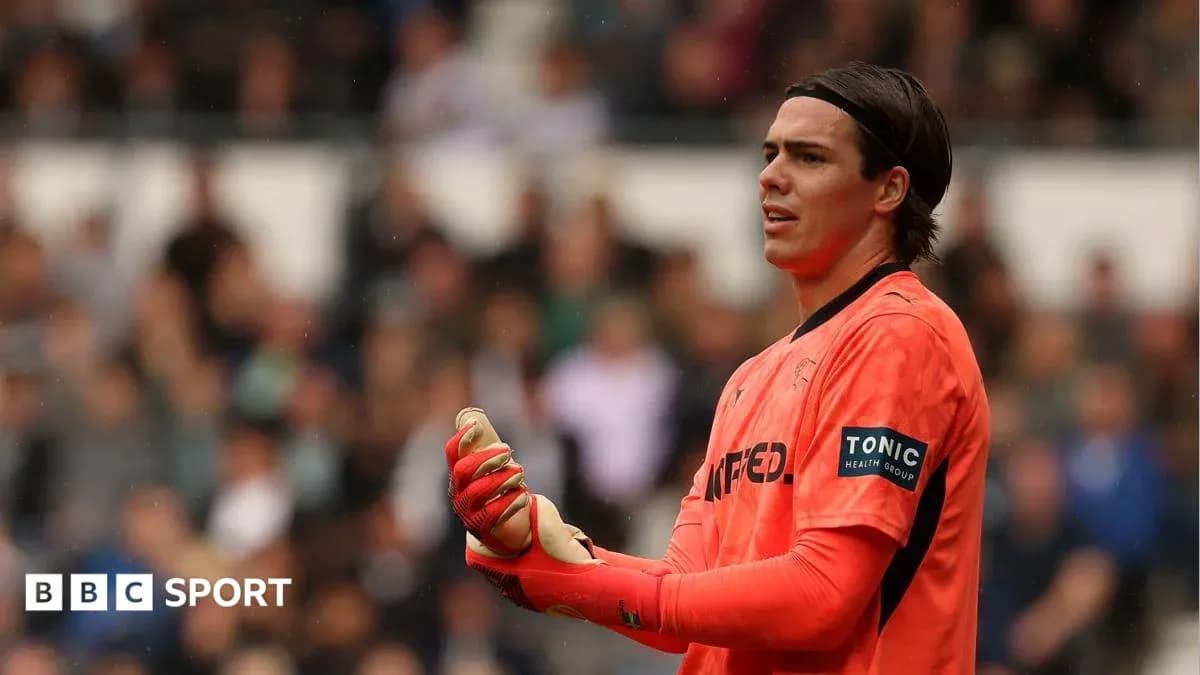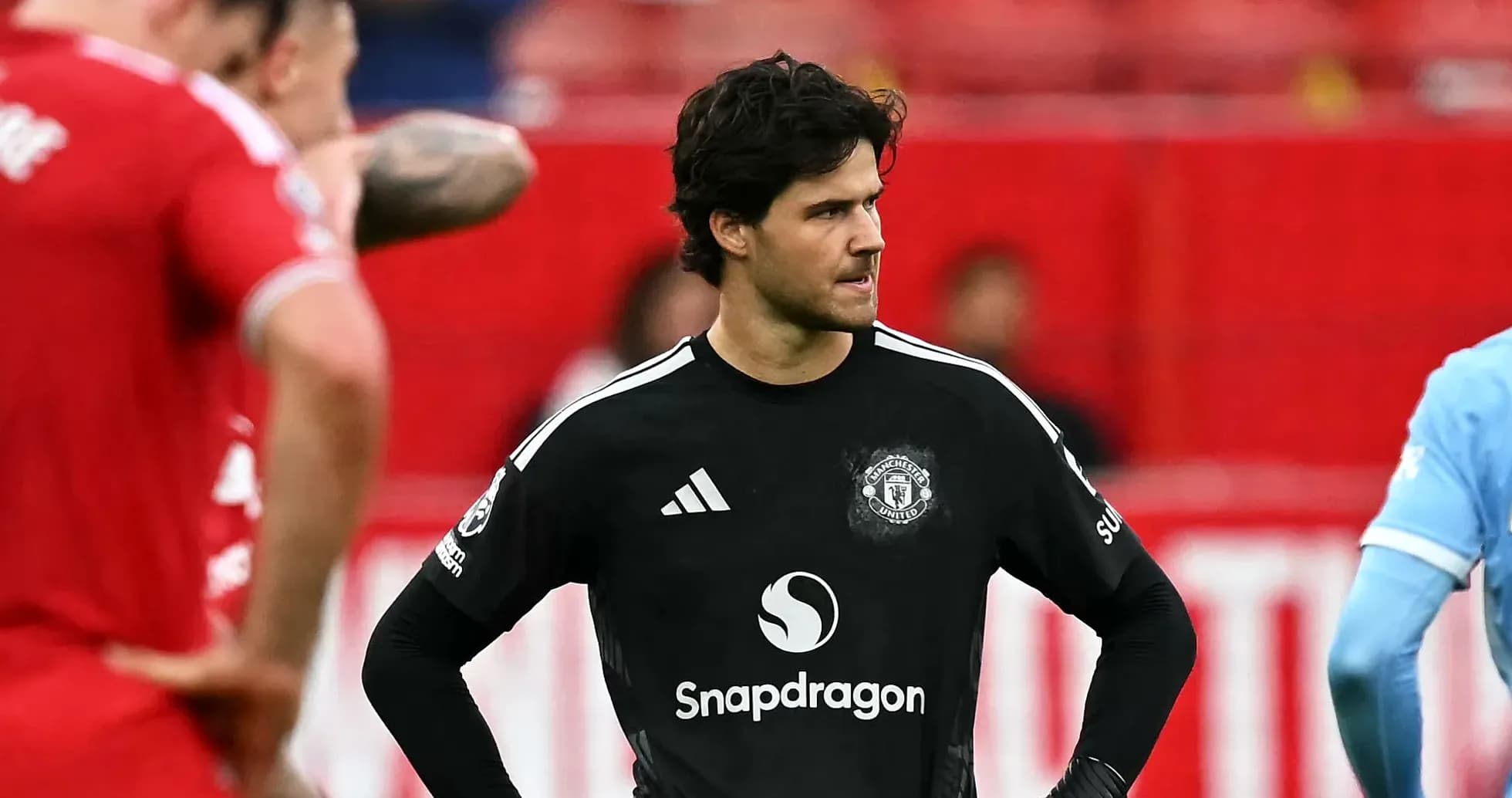
Paul Scholes Questions Lammens' Status as Manchester United's Goalkeeper
Paul Scholes has never been one for sentiment. Not as a player, not as a pundit. And his latest verdict on Manchester United’s new number one, Lammens, cuts straight to the heart of what the club is trying – and failing – to become again.
The 24-year-old Belgian arrived from Royal Antwerp for £21.7 million last summer, eased Altay Bayindir out of the side and has since settled in as Michael Carrick’s first-choice goalkeeper. He has the shirt. What he does not yet have, in Scholes’ eyes, is the status that used to come with it.
On The Good, The Bad and The Football podcast, Scholes posed the kind of question that lingers long after the clip ends.
“What team have you seen win the Premier League without a top class goalkeeper?” he asked. It wasn’t rhetorical. It was a challenge.
“Lammens might be that, I don't know, I think the jury's probably still out on that and then you build from the back four.”
This is the crux of it. United are trying to rebuild their identity under Carrick, to restore some kind of order after years of drift, and Scholes is looking at the foundations. He’s seen how title-winning teams are built. He played behind Peter Schmeichel. He played behind Edwin van der Sar. He knows what a truly elite goalkeeper looks like when the margins are thin and the stakes are suffocating.
Right now, he’s not convinced United have one.
Scholes pointed to the blueprint elsewhere. Arsenal, for instance, who steadied themselves three or four years ago by getting the defensive side right and now have David Raya as a calm, assured presence behind a miserly back line. Liverpool, who went from nearly-men to serial contenders once Alisson arrived and turned panic into control.
“It's the way Arsenal started three or four years ago, defensively they have been absolutely brilliant. You need a top class goalkeeper,” Scholes said. “You think of Liverpool's team with Alisson, Raya at Arsenal, Man United with Peter Schmeichel and Edwin van der Sar. They've all got brilliant, brilliant goalkeepers. You start from the back, of course you do. Whether Michael's just got to be patient and wait for that, I don't know.”
That last line will sting at Carrick and Lammens alike. Patient and wait for that. It sounds like a man who is not entirely sure the answer is already in the building.
For Lammens, this is the reality of Old Trafford. You are not just keeping goal for a football team. You are stepping into a lineage. Schmeichel. Van der Sar. De Gea at his peak. The position is a reference point for eras.
The Belgian has never tried to hide from that. He has spoken openly about wanting to be a long-term figure at the club, to carve out a decade of service and a legacy that can stand alongside the greats. He knows exactly what the English media can do to a goalkeeper, how quickly the narrative can turn.
“That's England for you,” he said last year. “If things go badly, they can bury you deep, but if things go well, they praise you to the skies.
“I take that with a grain of salt, because to be mentioned in the same sentence as Schmeichel, I'm going to have to prove myself many more times. But I did find it a very nice compliment. I hope to play here for 10 years and be important, so that, like Schmeichel and Van der Sar, I can leave a legacy.”
Those words sounded ambitious then. Now, framed against Scholes’ comments, they feel like a manifesto under scrutiny.
The timing is no coincidence. These remarks surface in the wake of a bruising Manchester derby, one in which Lammens could not keep Erling Haaland out and United once again came up short when it mattered most. The defeat was not on the goalkeeper alone – derbies rarely are – but Scholes’ decision to zoom in on that position tells its own story. He clearly believes that, in those high-wire occasions, a truly elite keeper can tilt the balance.
This is where the pressure sharpens. Every parry, every flap, every strong hand at the near post will now be viewed through the prism of “the jury is still out.” Every mistake will be evidence. Every match-winning save, a counter-argument.
Lammens is learning his trade in the most unforgiving environment in the sport: a club in transition, a fanbase impatient, and a Premier League that punishes hesitation. The standard he is being judged against is not merely competence. It is Schmeichel in one-on-ones. Van der Sar in Champions League finals. Goalkeepers who didn’t just keep United in games, but defined eras.
For Carrick, the dilemma is equally stark. Does he double down on Lammens and trust that experience and exposure will harden him into that level of goalkeeper? Or does he, as Scholes hints, eventually decide that the final piece of his defensive puzzle lies elsewhere?
The season will not wait for the answer. Nor will the scrutiny. And until Lammens proves, week after week, that he belongs in the same breath as those giants of United’s past, the question Scholes posed will hang over Old Trafford like a floodlight on a cold night: can you really win the league without a truly top-class goalkeeper?